TEM vs SEM: Key Differences Explained | Microscopy Basics
TEM vs SEM: Understanding the Key Differences
Transmission Electron Microscopy (TEM) and Scanning Electron Microscopy (SEM) are powerful tools used to visualize the microscopic world. While both techniques utilize electrons, they differ significantly in their approach and the type of information they provide.
13. The primary difference between a TEM and SEM is:
(c) preparation of the specimen
Explanation:
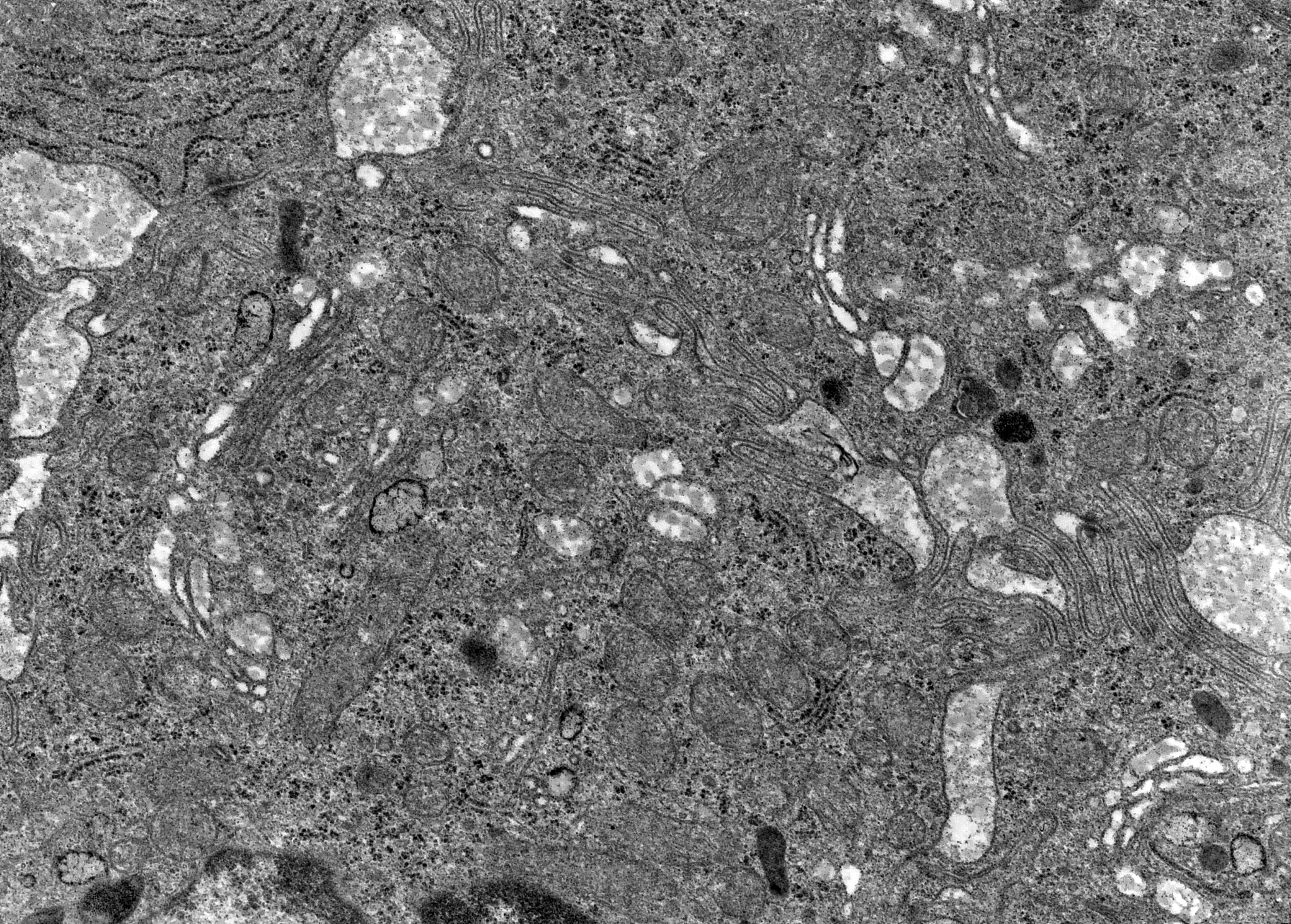
- TEM: Requires extremely thin specimens (often sliced to nanometer thickness) that are transparent to electrons. This involves extensive sample preparation using techniques like microtomy or ultramicrotomy.
- SEM: Can analyze thicker samples as it only scans the surface. Preparation involves coating the sample with a conductive material to prevent charge build-up.
Other Key Differences:
- Magnification: Both offer high magnification, but TEM generally achieves higher magnifications (up to millions of times) compared to SEM (up to 100,000 times).
- Image Type: TEM produces 2D images from transmitted electrons, often showing internal structures. SEM generates 3D images of the surface, providing detailed topography and surface morphology.
- Lenses: TEM uses electromagnetic lenses to focus the electron beam, while SEM employs both electromagnetic and electrostatic lenses.
Understanding Fastidious Organisms and Media
14. A fastidious organism must be grown on what type of medium?
(d) enriched medium
Explanation:
- Fastidious organisms are bacteria with complex nutritional requirements. They need enriched media containing specific growth factors, nutrients, or blood components to thrive.
- Enriched media are general-purpose media supplemented with additional nutrients to support the growth of fastidious organisms.
15. What type of medium is used to maintain and preserve specimens before clinical analysis?
(b) transport medium
Explanation:
- Transport media are specifically designed to maintain the viability of microorganisms during transportation to the laboratory for analysis. They provide a suitable environment to prevent the growth or death of the specimen.
16. Which of the following is NOT an optical microscope?
(c) atomic force
Explanation:
- Optical microscopes use light to illuminate and magnify objects. Examples include dark-field, confocal, and fluorescent microscopes.
- Atomic force microscopy (AFM) is a high-resolution imaging technique that uses a sharp tip to scan the surface of a material. It is not an optical microscope as it does not rely on light for imaging.
原文地址: https://www.cveoy.top/t/topic/pi7N 著作权归作者所有。请勿转载和采集!