TEM vs. SEM: Key Differences and Microscope Types Explained
Understanding TEM and SEM: Key Differences
13. The primary difference between a TEM and SEM is:
- a. magnification capability
- b. colored versus black-and-white images
- c. preparation of the specimen
- d. type of lenses
Answer: c. preparation of the specimen
Both TEM and SEM are powerful tools for visualizing microscopic structures, but they differ significantly in how they prepare and interact with specimens.
TEM (Transmission Electron Microscopy):
- Requires thin sections of specimens, often less than 100 nanometers thick.
- Electrons pass through the specimen, creating an image based on how the electrons are absorbed or scattered.
SEM (Scanning Electron Microscopy):
- Uses solid samples, often coated with a conductive material.
- Electrons scan the surface of the specimen, generating a 3D image based on the emitted secondary electrons.
Other Key Differences:
- Magnification: TEM generally achieves higher magnifications than SEM.
- Image Type: TEM produces 2D images, while SEM produces 3D images.
- Specimen Preparation: TEM requires more specialized and time-consuming sample preparation techniques.
## Microscope Types and Applications
14. A fastidious organism must be grown on what type of medium?
- a. general-purpose medium
- b. differential medium
- c. synthetic medium
- d. enriched medium
Answer: d. enriched medium
Fastidious organisms are bacteria that require specific, complex nutrients to grow. Enriched media are designed to provide these necessary nutrients, often containing additional components like blood, serum, or other growth factors.
15. What type of medium is used to maintain and preserve specimens before clinical analysis?
- a. selective medium
- b. transport medium
- c. enriched medium
- d. differential medium
Answer: b. transport medium
Transport media are designed to preserve the viability of microorganisms during transportation and storage, without encouraging growth. This is crucial to ensure accurate clinical analysis.
16. Which of the following is NOT an optical microscope?
- a. dark-field
- b. confocal
- c. atomic force
- d. fluorescent
Answer: c. atomic force
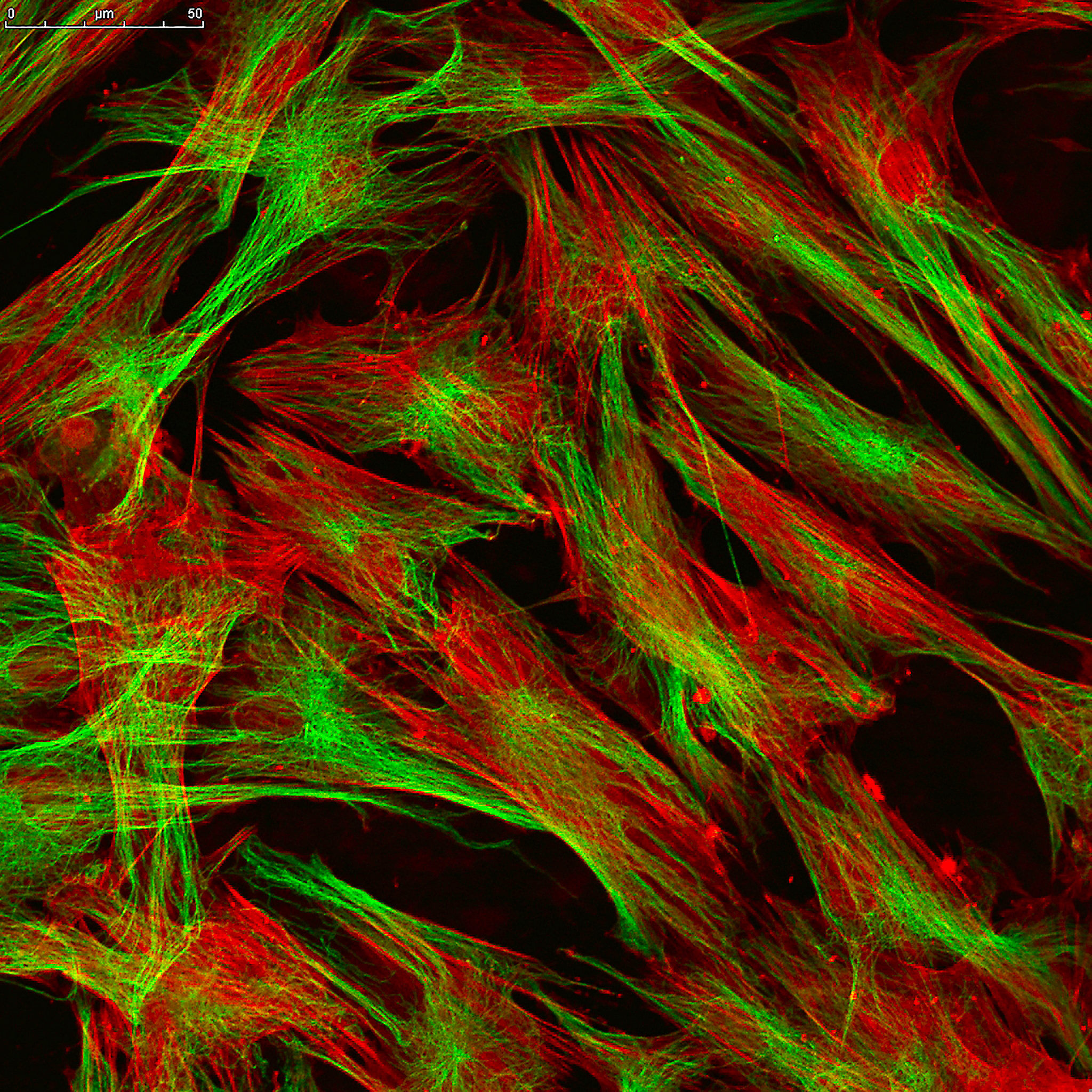
Optical microscopes use visible light to illuminate and magnify specimens. Atomic force microscopy (AFM) is a type of scanning probe microscopy, where a sharp tip scans the surface of a specimen, providing a high-resolution image of the surface topography.
Key Types of Optical Microscopes:
- Dark-field microscopy: Illuminates specimens from the sides, creating a bright image against a dark background.
- Confocal microscopy: Uses lasers and pinholes to create 3D images of thick specimens.
- Fluorescent microscopy: Uses fluorescent dyes to visualize specific structures within cells or tissues.
原文地址: https://www.cveoy.top/t/topic/pi7M 著作权归作者所有。请勿转载和采集!