小学英语自然拼读教学专题的文章
Title: Natural Phonics Teaching in Elementary English Education
Introduction: Phonics is an essential component of early English education, as it helps young learners develop their reading and spelling skills. Natural phonics teaching focuses on teaching children to decode words by recognizing letter-sound relationships. This article aims to explore the importance of natural phonics teaching in elementary English education and provide strategies for effective instruction.
The Importance of Natural Phonics Teaching:
- Enhances Reading Skills: Natural phonics teaching helps children recognize and decode words more efficiently, leading to improved reading comprehension. By understanding the relationship between letters and sounds, students can read unfamiliar words independently.
- Improves Spelling Skills: When children learn phonics, they learn to break words into individual sounds, making it easier for them to spell words correctly. This knowledge helps them understand spelling patterns and apply them in their writing.
- Builds Vocabulary: Phonics instruction introduces children to new words and their corresponding sounds. This knowledge expands their vocabulary and allows them to understand and use words in context.
Strategies for Effective Natural Phonics Teaching:
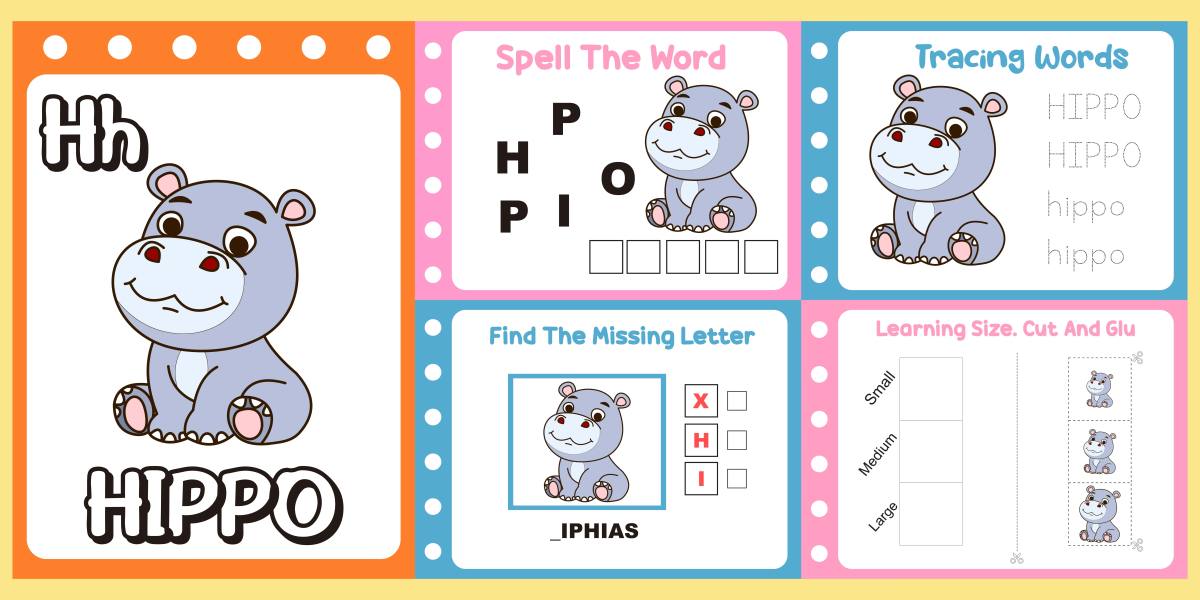
- Letter-Sound Correspondence: Introduce the sounds of the English alphabet by using visual aids, such as flashcards or posters. Teach students to associate each letter with its corresponding sound(s) through interactive activities, like matching games or songs.
- Blending and Segmenting: Teach students how to blend individual sounds together to form words and how to segment words into individual sounds. Use word manipulation activities, such as word building puzzles, to reinforce this skill.
- Word Families and Rhyming Words: Introduce word families (e.g., cat, hat, mat) and rhyming words to help students recognize common sound patterns. Engage students in activities like creating word family charts or playing rhyming word games.
- Decodable Texts: Provide students with decodable texts that contain words with the phonics skills they have learned. Encourage them to read aloud, focusing on applying their knowledge of letter-sound relationships.
- Regular Practice: Incorporate regular practice sessions into daily lessons to reinforce phonics skills. Use worksheets, online games, or interactive whiteboard activities to engage students in independent practice.
Conclusion: Natural phonics teaching plays a crucial role in elementary English education as it helps students develop essential reading and spelling skills. By incorporating strategies such as letter-sound correspondence, blending and segmenting, word families, decodable texts, and regular practice, teachers can effectively teach phonics and support students' language development. With a strong foundation in phonics, students will be better equipped to become confident and proficient readers and writers.
原文地址: https://www.cveoy.top/t/topic/hNIU 著作权归作者所有。请勿转载和采集!