Chemical Storage Tank Safety: Preventing Leaks, Fires & More
Chemical Storage Tank Safety: Preventing Leaks, Fires & More
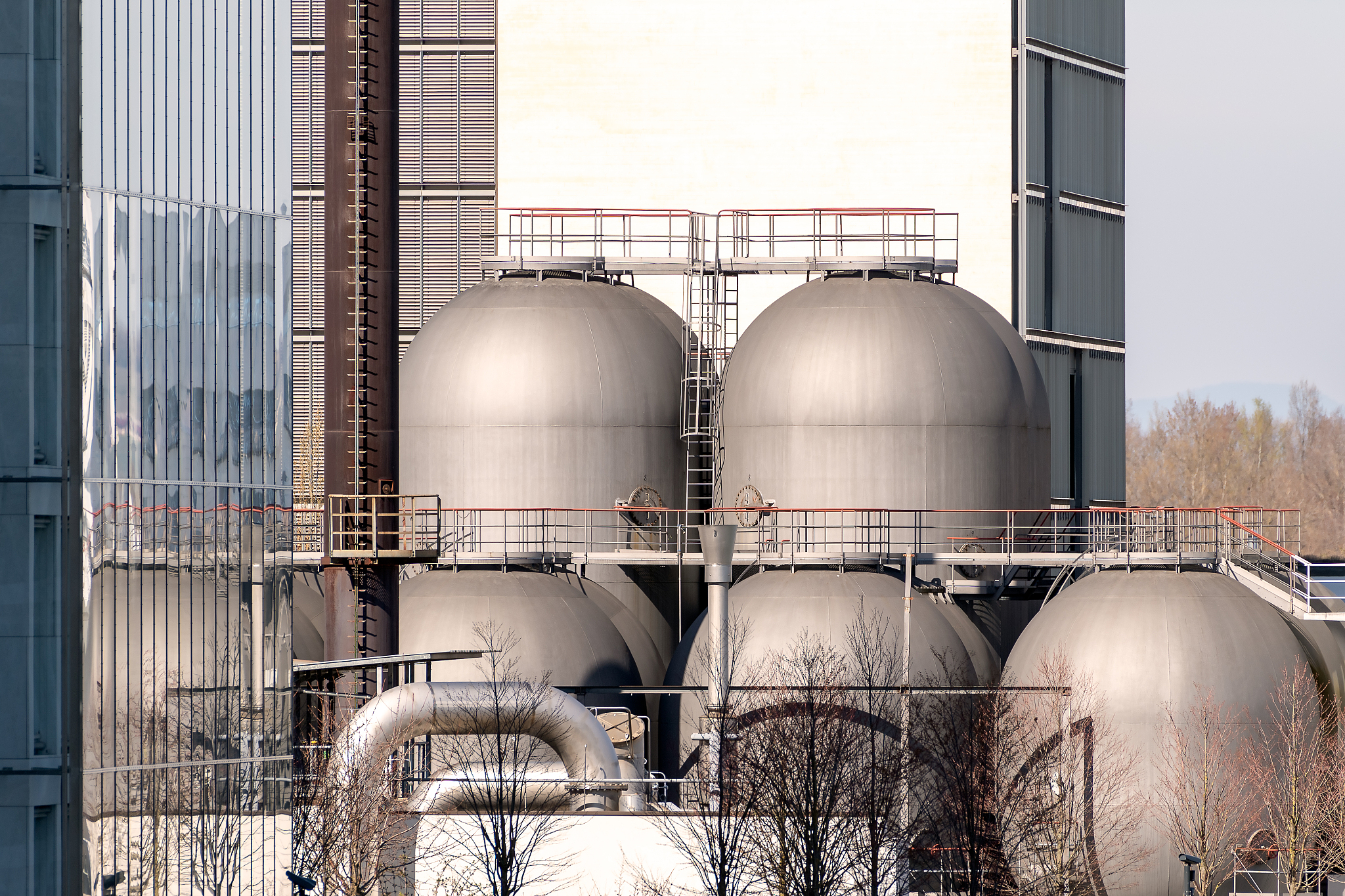
Chemical storage tank areas are critical but potentially hazardous parts of many industrial facilities. Ensuring safety requires a proactive approach to identifying and mitigating potential risks. This article outlines common safety issues associated with chemical storage tank areas and provides practical prevention measures.
1. Leakage and Spillage
- Dangers: Leaks and spills can contaminate the environment, ignite fires, and pose health risks to personnel.* Prevention: * Regular Inspection and Maintenance: Frequent inspections help identify leaks, corrosion, or other issues early on. * Leak Detection Systems: Implement systems for immediate leak detection and alerts, allowing for swift response and mitigation. * Secondary Containment: Utilize bund walls or liners to contain potential spills, preventing the spread of chemicals.
2. Overfilling and Overpressure
- Dangers: Overfilling can lead to spills, overflows, or tank ruptures. Overpressure, often caused by inadequate venting or overfilling, increases the risk of explosions and equipment failure. * Prevention: * Level Monitoring Systems: Install systems to monitor tank levels and trigger alarms or shutdowns to prevent overfilling. * Proper Venting Systems: Ensure tanks have adequate venting systems designed to handle pressure changes and safely release excess pressure. * Training and Supervision: Educate employees on proper filling procedures, emphasizing adherence to recommended levels and tank capacities.
3. Incompatible Materials and Mixing
- Dangers: Mixing incompatible chemicals can trigger violent reactions, explosions, or the release of toxic gases. Improper handling and storage can lead to accidental mixing.* Prevention: * Labeling and Segregation: Clearly label all storage tanks with chemical information and incompatibility warnings. Segregate incompatible substances to prevent accidental mixing. * Employee Training: Conduct comprehensive training on chemical handling, storage, compatibility, and the associated risks of mixing. * Strict Procedures: Implement and enforce rigorous procedures for receiving, storing, and handling chemicals to ensure proper segregation and prevent errors.
4. Fire and Explosion Hazards
- Dangers: Chemical storage tank areas, especially those containing flammable or combustible materials, are susceptible to fire and explosion hazards. Fires can be ignited by improper handling, storage practices, or other ignition sources.* Prevention: * Fire Detection and Suppression Systems: Install and maintain fire detection systems (alarms, detectors) and suppression systems (sprinklers, extinguishers). * Safe Electrical Equipment: Ensure all electrical equipment is properly installed, grounded, and explosion-proof to minimize ignition risks. * Fire Drills and Training: Conduct regular fire drills and provide training on emergency response, evacuation routes, and the proper use of firefighting equipment.
Conclusion
Safety in chemical storage tank areas is paramount. By implementing these preventive measures—including regular inspections, leak detection systems, proper filling protocols, segregation of incompatible chemicals, and robust fire prevention systems—the risks associated with chemical storage tanks can be significantly reduced. Investing in employee training and fostering a strong safety culture are essential for ensuring a secure working environment in the chemical industry and protecting personnel, communities, and the environment from potential harm.
原文地址: https://www.cveoy.top/t/topic/wit 著作权归作者所有。请勿转载和采集!