Strategies for Enhancing Customer Experience and Foot Traffic in a Shopping Mall: A Focus on Digital Innovation
'Many shopping malls are struggling with the growth of online shopping. As the manager of a large shopping mall, what strategies could you implement to improve customer experience and foot traffic? You may consider use of new technologies like virtual and augmented reality, AI, targeted promotions etc.'
This question explores the challenges faced by shopping malls in the current retail landscape, where online shopping has become increasingly popular. The task is to develop strategies to improve customer experience and drive foot traffic to the mall.
Task Breakdown:
- Strategies for Improving Customer Experience: How can we create a more engaging and enjoyable shopping experience for customers?
- Strategies for Increasing Foot Traffic: What actions can be taken to attract more shoppers to the mall?
- Strategies Using New Technologies: How can we leverage new technologies like virtual and augmented reality, AI, and targeted promotions to enhance the shopping experience?
- Advantages and Potential Risks: What are the benefits and drawbacks of implementing these strategies?
Task 1: Improving Customer Experience
- Personalization: Offer personalized shopping experiences through a dedicated app or website. This can involve customized product recommendations based on browsing history and purchase behavior, targeted promotions, and exclusive offers for loyal customers.
- Enhanced Environment: Create a more inviting and comfortable shopping environment with dedicated seating areas, unique decor, and well-maintained facilities. Focus on creating a distinct atmosphere that caters to the target audience.
- Customer Service and Engagement: Implement strategies to enhance customer service and engagement. This could involve providing dedicated customer service representatives, organizing interactive events and competitions, and offering personalized assistance through interactive kiosks or mobile assistants.
- Convenience: Streamline the shopping process to make it as convenient as possible. This could involve implementing contactless payments, offering convenient returns and exchanges, and providing ample parking options.
- Loyalty Programs: Establish loyalty programs with rewards, exclusive discounts, and personalized offers to foster customer loyalty and encourage repeat visits.
Task 2: Increasing Foot Traffic
- Special Events and Promotions: Organize special events and promotions to draw in crowds. This could include exclusive discounts, limited-time offers, product launches, and themed events.
- Collaboration with Local Businesses: Partner with nearby businesses, including restaurants, entertainment venues, and other retailers, to create joint promotions and packages. This can offer customers a more comprehensive experience and encourage them to spend more time at the mall.
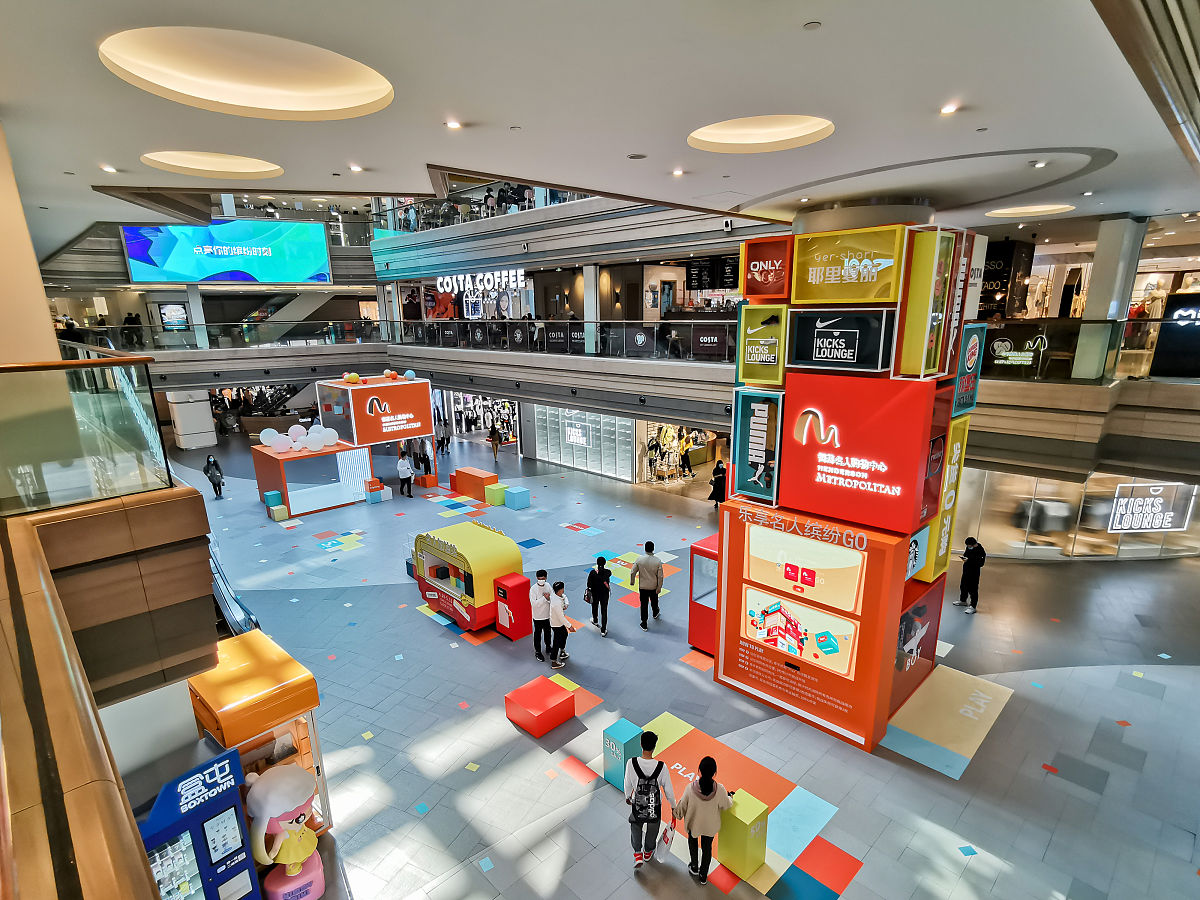
- Unique Shopping Experiences: Offer unique experiences that go beyond traditional shopping. This could include pop-up shops, art exhibitions, live music performances, and interactive installations to attract customers.
- Marketing and Advertising: Utilize marketing and advertising strategies to raise awareness about the mall and its offerings. This can involve social media campaigns, traditional advertising, public relations efforts, and targeted influencer marketing.
- Community Engagement: Participate in community events and initiatives to build positive relationships with the local community. This could involve sponsoring local charities, supporting community events, and offering discounts to local residents.
Task 3: Strategies Using New Technologies
- Virtual and Augmented Reality: Offer immersive shopping experiences through virtual and augmented reality technologies. This could include virtual try-on rooms for clothing and accessories, interactive product demonstrations, and virtual tours of the mall.
- AI-Powered Recommendations and Assistance: Utilize AI-powered recommendations to provide personalized product suggestions based on customer preferences and purchase history. AI chatbots can also be used to provide personalized customer service and answer questions in real-time.
- Targeted Promotions and Personalized Offers: Leverage data analytics and customer profiling to send targeted promotions and offers that are relevant to individual customer preferences. This can be done through personalized emails, SMS messages, or push notifications.
- Smart Navigation and Mall Maps: Implement an intuitive navigation system within the mall to help customers easily find their desired shops and products. Interactive digital maps with store locations and directions can be accessed through a mobile app or kiosks.
- Online-Offline Integration: Integrate the mall with online shopping platforms to offer customers a seamless experience. This could involve allowing customers to browse and purchase products online and pick them up at the mall, or providing online access to mall directories and store information.
Task 4: Advantages and Potential Risks
-
Advantages:
- Enhanced Customer Experience: Improved customer satisfaction and loyalty through personalized experiences, convenient services, and engaging interactions.
- Increased Foot Traffic: Higher visitor numbers and increased sales revenue.
- Enhanced Brand Image: Strengthen the mall's reputation as a modern and innovative shopping destination.
- New Customer Acquisition: Attract new customers through unique offerings and effective marketing strategies.
- Competitive Advantage: Distinguish the mall from competitors by offering a more engaging and personalized shopping experience.
-
Potential Risks:
- High Investment Costs: Developing and implementing new technologies can be expensive.
- Technical Challenges: There may be technical difficulties in implementing and maintaining new technologies.
- Data Security and Privacy Concerns: Handling customer data requires robust security measures to protect privacy.
- Technology Adoption Rate: Not all customers may be comfortable using new technologies.
- Potential for Errors: There is a risk of errors or glitches in AI-powered systems or virtual reality experiences.
Conclusion:
The shopping mall industry faces significant challenges in the age of online shopping. To remain competitive, shopping malls must prioritize creating a compelling customer experience and leveraging new technologies to create a more engaging and personalized environment. By implementing the strategies discussed above, shopping malls can attract new customers, retain existing ones, and thrive in the evolving retail landscape.
原文地址: https://www.cveoy.top/t/topic/siM 著作权归作者所有。请勿转载和采集!