Directional Control Valves: Types, Applications & Working Principles
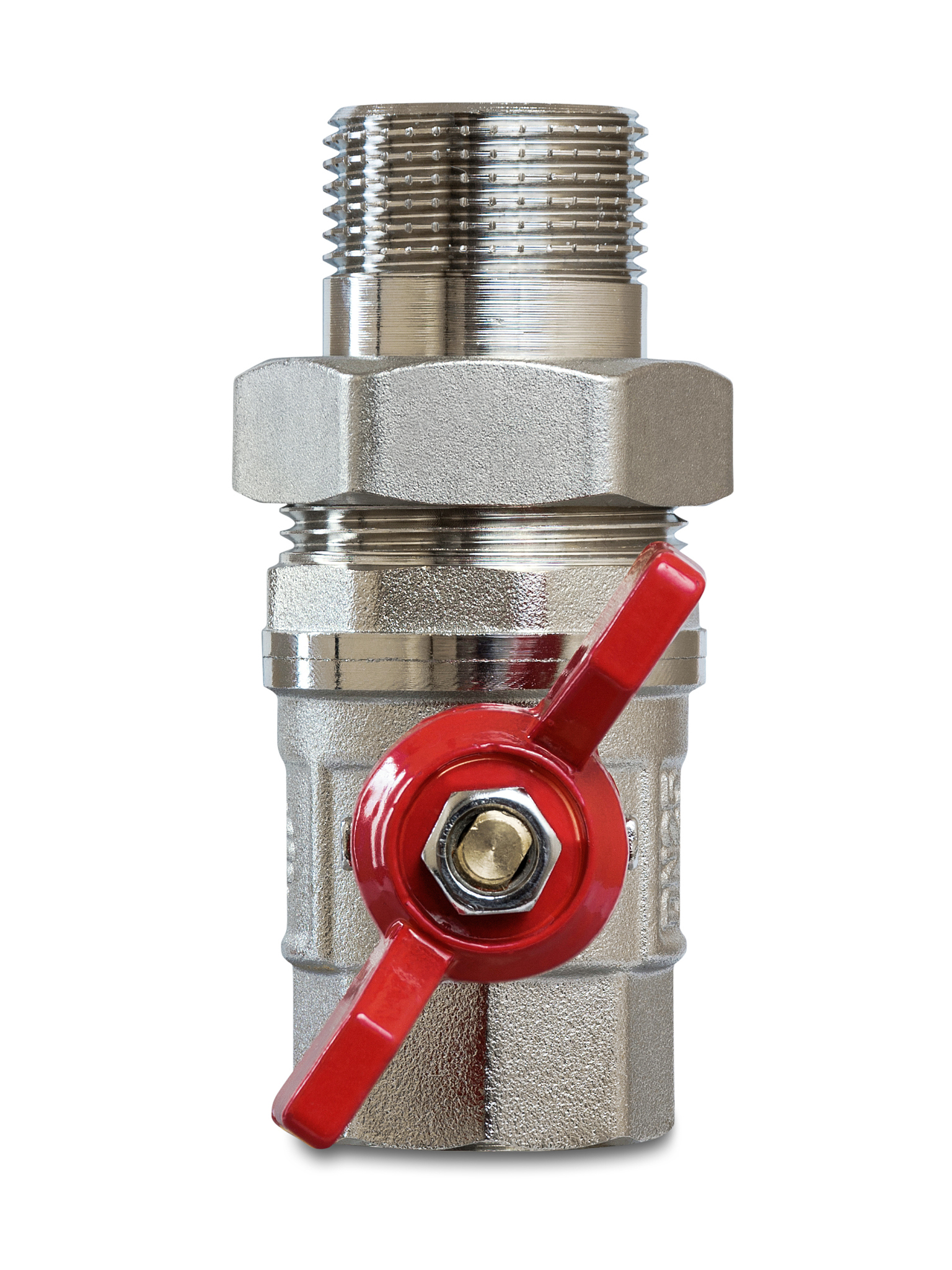
Directional control valves are devices used to control the flow of fluid in a hydraulic system. They determine the direction of the fluid flow, enabling the actuation of different hydraulic cylinders or hydraulic motors.\n\nThere are various types of directional control valves, including:\n\n1. Spool Valves: These valves have a cylindrical spool that slides within a valve body. The spool has different ports and lands that control the flow of fluid. By moving the spool, the flow can be directed to different ports, allowing for the actuation of different hydraulic components.\n\n2. Poppet Valves: Poppet valves use a poppet or disc that is held against a seat by a spring or hydraulic pressure. When the pressure is released, the poppet lifts off the seat, allowing fluid flow. These valves are commonly used in high-pressure applications.\n\n3. Rotary Valves: Rotary valves use a rotating rotor with different ports that align with stationary ports in the valve body. By rotating the rotor, the fluid flow can be directed to different ports. These valves are commonly used in applications where quick directional changes are required.\n\n4. Proportional Valves: Proportional valves control the flow of fluid based on the input signal they receive. They can vary the flow rate and direction based on the desired output. These valves are commonly used in systems that require precise control, such as robotics or machine tools.\n\nDirectional control valves are essential components in hydraulic systems, allowing for the precise control of fluid flow and actuation of hydraulic components. They are used in a wide range of industries, including manufacturing, construction, and agriculture.
原文地址: https://www.cveoy.top/t/topic/qtBV 著作权归作者所有。请勿转载和采集!