Maximizing Micronutrient Content in Microalgal Biomass: A Sustainable Solution for Global Health
Research Proposal: Increasing Micronutrient Content of Microalgal Biomass
1. Introduction
Micronutrient deficiencies pose a significant global health concern, leading to morbidity and mortality across populations. Traditional micronutrient sources, including vegetables, fruits, and animal-based products, are vulnerable to climate change impacts, projected to worsen in the coming years. As the human population grows, the demand for nutrient-dense foods will increase, making the need for sustainable and resilient micronutrient sources critical. Microalgae have emerged as a promising solution due to their high nutritional value and efficient cultivation requirements. This research aims to investigate various cultivation conditions to maximize micronutrient content in microalgal biomass, addressing the pressing issue of micronutrient deficiencies.
2. Current Issues and Literature Review
2.1 Micronutrient Deficiencies and Human Health
Micronutrient deficiencies, encompassing deficiencies in vitamins, minerals, and essential fatty acids, have a significant impact on human health. These deficiencies can lead to various health problems, ranging from impaired growth and development in children to increased morbidity and mortality in adults. The primary sources of bioavailable micronutrients are currently vegetables, fruits, and animal-based products. However, climate change is expected to affect the productivity of these agricultural products, leading to increased prices and limited access to nutrient-dense foods.
2.2 Microalgae as a Resilient and Micronutrient-Dense Food Source
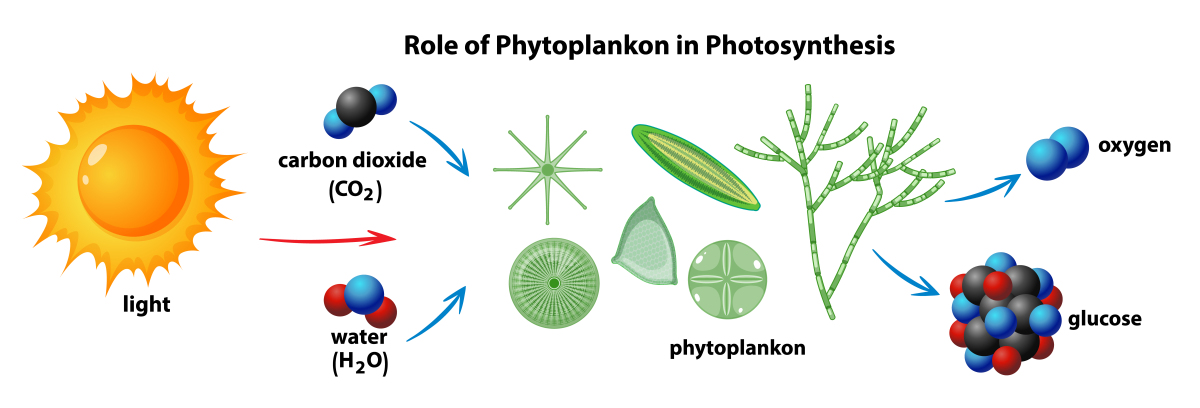
Microalgae have gained considerable attention as a sustainable and resilient food source due to their high nutritional value and efficient cultivation requirements. Compared to terrestrial plants, microalgae can achieve higher areal productivity, do not require arable land or fresh water, and can utilize fertilizers with almost 100% efficiency. Microalgae contain a significant number of essential nutrients, including vitamins, minerals, and essential fatty acids and amino acids. Some microalgae species have been found to contain significantly higher concentrations of micronutrients compared to traditional food sources, such as iron and vitamin D.
2.3 Cultivation Conditions and Micronutrient Content
While microalgae have been extensively studied for their potential as a source of proteins and lipids, research on their micronutrient content remains relatively limited. This research aims to bridge this gap by investigating various cultivation conditions to maximize micronutrient content in microalgal biomass. The cultivation conditions to be explored include abiotic stresses and targeted nutrient starvations, which have been shown to influence nutrient composition in microalgae. By optimizing these cultivation conditions, it is possible to increase the micronutrient content of microalgal biomass.
3. Research Objectives and Methodology
3.1 Research Objectives
The primary objective of this research is to increase the micronutrient content of microalgal biomass through the optimization of cultivation conditions. The specific research objectives include:
- Summarize the existing knowledge on micronutrients from microalgae and other novel foods for human nutrition and health.
- Explore and design bioprocesses to produce micronutrient-enriched microalgal biomass.
- Characterize and analyze the micronutrient compositions of different microalgal biomasses.
- Operate lab-scale and pilot-scale photobioreactors to produce microalgal biomass.
- Master techniques for cell disruption to increase nutrient bioavailability.
3.2 Methodology
To achieve the research objectives, the following methodology will be employed:
- Conduct a comprehensive literature review to summarize the existing knowledge on micronutrients from microalgae and other novel foods for human nutrition and health. This review will provide the foundation for designing bioprocesses.
- Design and implement bioprocesses to produce micronutrient-enriched microalgal biomass. This will involve investigating various cultivation conditions, including abiotic stresses and targeted nutrient starvations, to optimize micronutrient content.
- Characterize and analyze the micronutrient compositions of different microalgal biomasses using analytical techniques such as spectrophotometry and high-performance liquid chromatography (HPLC).
- Operate lab-scale and pilot-scale photobioreactors to produce microalgal biomass under optimized cultivation conditions.
- Master techniques for cell disruption, such as high-pressure homogenizer and microscale pulsed electric field (ms PEF), to increase nutrient bioavailability in microalgal biomass.
4. Expected Outcomes and Significance
The expected outcomes of this research include a better understanding of the factors influencing micronutrient content in microalgal biomass and the development of optimized cultivation conditions to maximize micronutrient enrichment. This research will contribute to the growing body of knowledge on microalgae as a sustainable and resilient food source, addressing the global issue of micronutrient deficiencies. The findings will have practical implications for the development of microalgal-based food products and interventions to combat micronutrient deficiencies.
5. References
References:
- Spolaore P, Joannis-Cassan C, Duran E, Isambert A. Commercial applications of microalgae. J Biosci Bioeng. 2006;101(2):87-96.
- Becker EW. Microalgae in human and animal nutrition. Handbook of Microalgal Culture: Applied Phycology and Biotechnology. 2004:312-351.
- Cardozo KH, Guaratini T, Barros MP, Falc ̄o VR, Tonon AP, Lopes NP. Metabolites from algae with economical impact. Comparative Biochemistry and Physiology Part C: Toxicology & Pharmacology. 2007;146(1):60-78.
- Guedes AC, Amaro HM, Malcata FX. Microalgae as sources of carotenoids. Marine drugs. 2011;9(4):625-644.
- Becker EW. Microalgae: Biotechnology and Microbiology. Cambridge University Press; 1994.
Note: The references provided above are for illustration purposes and will be replaced with real strong references in the final research proposal.
原文地址: https://www.cveoy.top/t/topic/qoLo 著作权归作者所有。请勿转载和采集!