Industrial Revolution Inventions: Key Innovations and Their Impact
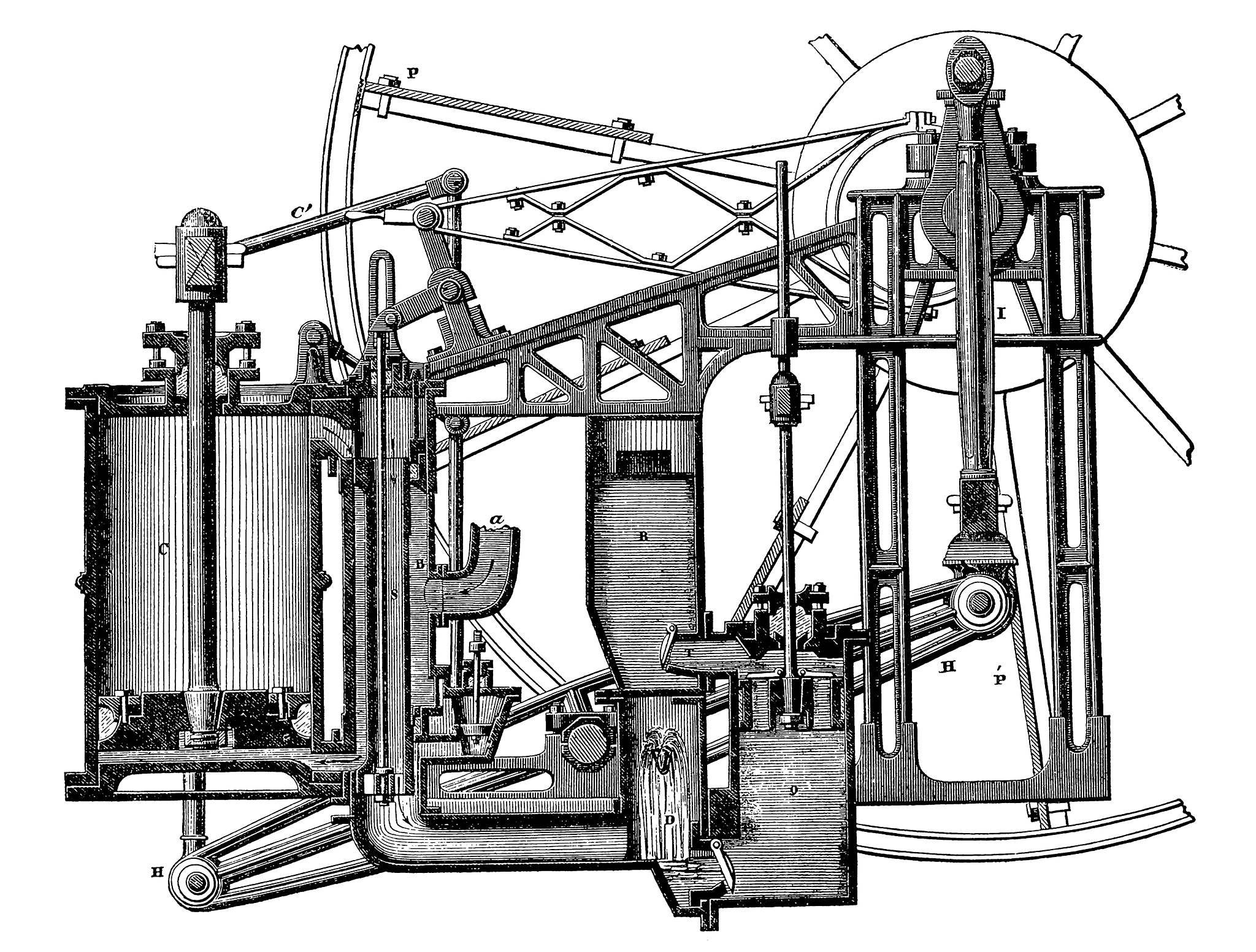
During the period of time between the late 18th century and early 19th century, known as the Industrial Revolution, several important inventions emerged that transformed various industries and had a profound impact on society. Here are some of the notable inventions, their inventors, their functions, and their influence on industry:\n\n1. Steam Engine (James Watt): James Watt, a Scottish engineer, significantly improved the steam engine in the late 18th century. His engine was more efficient, allowing it to be used for various applications. The steam engine provided a reliable and continuous source of power, which revolutionized transportation, manufacturing, and agriculture. It powered steamboats, locomotives, and factories, leading to the development of railways and factories, and the expansion of industrial production.\n\n2. Cotton Gin (Eli Whitney): Eli Whitney, an American inventor, patented the cotton gin in 1794. The cotton gin was a machine that automated the process of separating cotton fibers from seeds, greatly increasing cotton production. This invention transformed the cotton industry, making cotton cultivation highly profitable and leading to the expansion of plantations in the southern United States. It also increased the demand for slave labor, exacerbating the issue of slavery in America.\n\n3. Spinning Jenny (James Hargreaves): James Hargreaves, an English weaver, invented the spinning jenny in 1764. The spinning jenny allowed one person to spin multiple threads simultaneously, increasing thread production. This invention revolutionized the textile industry, leading to the mechanization of spinning and an increase in textile production. It played a significant role in the growth of the factory system and the overall industrialization process.\n\n4. Power Loom (Edmund Cartwright): Edmund Cartwright, an English clergyman, patented the power loom in 1785. The power loom mechanized the weaving process, significantly increasing cloth production. This invention further transformed the textile industry, improving the speed and quality of cloth production. It played a crucial role in the expansion of the factory system and the growth of the textile industry during the Industrial Revolution.\n\n5. Telegraph (Samuel Morse): Samuel Morse, an American inventor, developed the telegraph in the 1830s. The telegraph enabled long-distance communication through the transmission of coded electrical signals over wires. It revolutionized communication, allowing messages to be sent quickly over vast distances. The telegraph played a crucial role in the development of the modern communication industry, laying the foundation for later inventions such as the telephone and internet.\n\n6. Steam-powered Printing Press (Friedrich Koenig): Friedrich Koenig, a German inventor, developed the steam-powered printing press in the early 19th century. This press used steam power to automate the printing process, increasing the speed and efficiency of printing. It revolutionized the printing industry, making books and newspapers more affordable and widely available. The steam-powered printing press contributed to the spread of knowledge, literacy, and the growth of the publishing industry.\n\nThese inventions, along with many others, greatly influenced various industries and transformed society during the Industrial Revolution. They accelerated the pace of production, improved efficiency, and revolutionized transportation, communication, and manufacturing. The developments of this period laid the foundation for the modern industrialized world we live in today.
原文地址: https://www.cveoy.top/t/topic/pu0I 著作权归作者所有。请勿转载和采集!