Exploring the Dynamic Evolution of Chinese Culture
Ladies and gentlemen,
It is a great pleasure for me to stand before you today and discuss an intriguing and captivating topic - 'What's new about Chinese culture?' China, a land rich in history and tradition, has always been a subject of fascination for people around the world. However, many perceive Chinese culture as ancient and unchanging, rooted in ancient philosophies and customs. Today, I aim to challenge this perception and shed light on the vibrant and evolving aspects of Chinese culture.
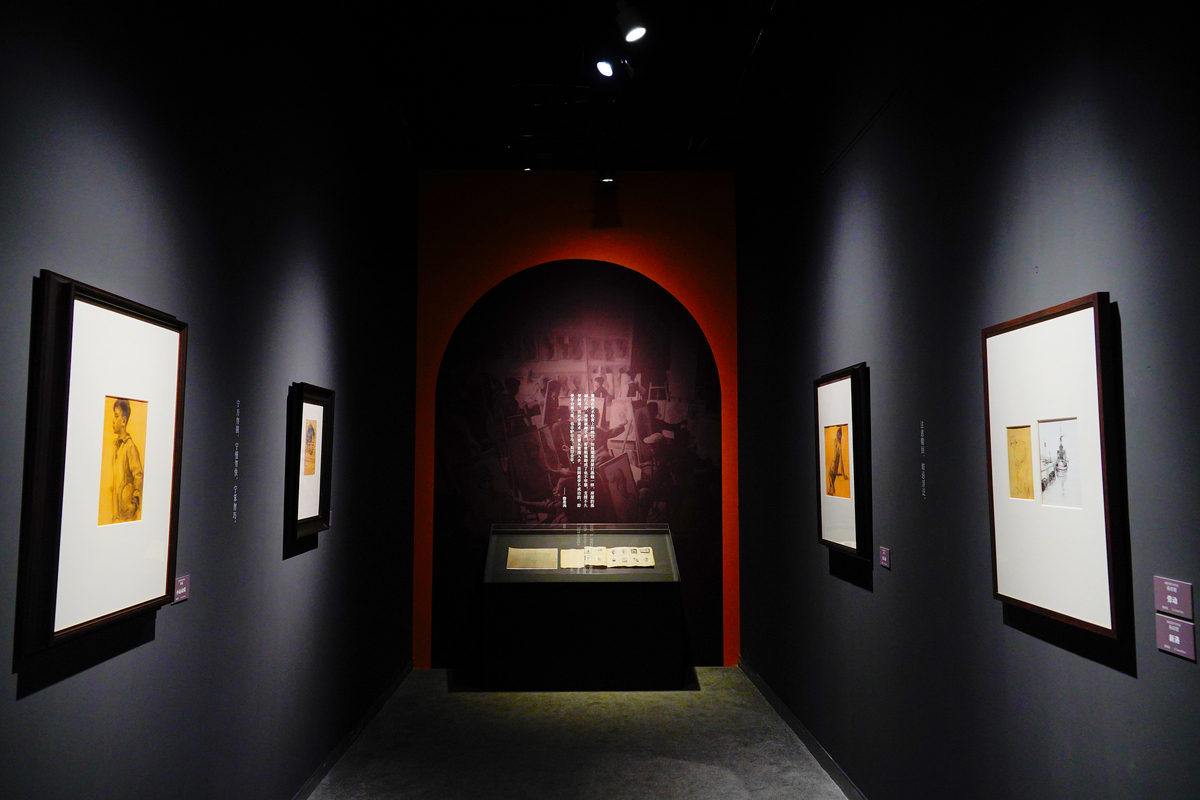
Firstly, let us explore the contemporary art scene in China. Over the past few decades, Chinese artists have gained international recognition for their innovative and thought-provoking works. Modern art movements such as the Beijing avant-garde and the post-1989 art movement have revolutionized the art scene, incorporating diverse mediums and addressing social and political issues. Artists like Ai Weiwei, Cai Guo-Qiang, and Zhang Xiaogang have pushed the boundaries of traditional Chinese art, infusing it with modern concepts and global influences. Through their creations, they offer a fresh perspective on Chinese culture, challenging stereotypes and fostering cross-cultural dialogue.
Not only in art but also in entertainment, Chinese culture has experienced a significant transformation. The rise of Chinese cinema, television dramas, and music industry has captivated audiences worldwide. Chinese films such as 'Crouching Tiger, Hidden Dragon' and 'Raise the Red Lantern' have won international acclaim, introducing the world to the unique aesthetics of Chinese cinematography. Moreover, the popularity of Chinese pop music, known as 'C-Pop,' has surged in recent years. Artists like Jay Chou and Kris Wu have gained a massive following, highlighting the fusion of Western and Chinese musical styles, and reflecting the changing tastes of the younger generation.
Another aspect that showcases the evolving nature of Chinese culture is its cuisine. While traditional Chinese dishes like Peking duck and dim sum remain beloved classics, the culinary landscape has expanded to embrace new flavors and cooking techniques. The emergence of regional cuisines such as Sichuan, Hunan, and Cantonese has thrilled taste buds around the globe. Furthermore, the fusion of Chinese and Western cuisines has given birth to exciting creations, exemplified by the popularity of dishes like General Tso's chicken and Chinese-inspired sushi rolls. This culinary evolution reflects the openness of Chinese culture to embrace new influences and adapt to changing times.
Lastly, I want to touch upon the advancements in technology and innovation that have become synonymous with contemporary China. From the rapid development of smart cities to the dominance of e-commerce platforms such as Alibaba and Tencent, China has become a global leader in technological innovation. This technological revolution has not only transformed the economic landscape but also influenced various aspects of daily life, including communication, transportation, and entertainment. Chinese culture has embraced these advancements, integrating them into traditional practices while creating new opportunities for cultural exchange and connection.
In conclusion, Chinese culture is far from stagnant; it is a living, breathing entity that continues to evolve and adapt. From the contemporary art scene to entertainment, cuisine, and technology, China is experiencing a cultural renaissance that challenges preconceived notions and captivates the world. By embracing new influences and merging them with traditional values, Chinese culture is paving the way for a dynamic and exciting future. Let us celebrate and appreciate the ever-changing face of Chinese culture, for it is a testament to the indomitable spirit of a nation.
Thank you.
原文地址: https://www.cveoy.top/t/topic/pbIn 著作权归作者所有。请勿转载和采集!