生物样本安全知识普及:预防风险,保障健康
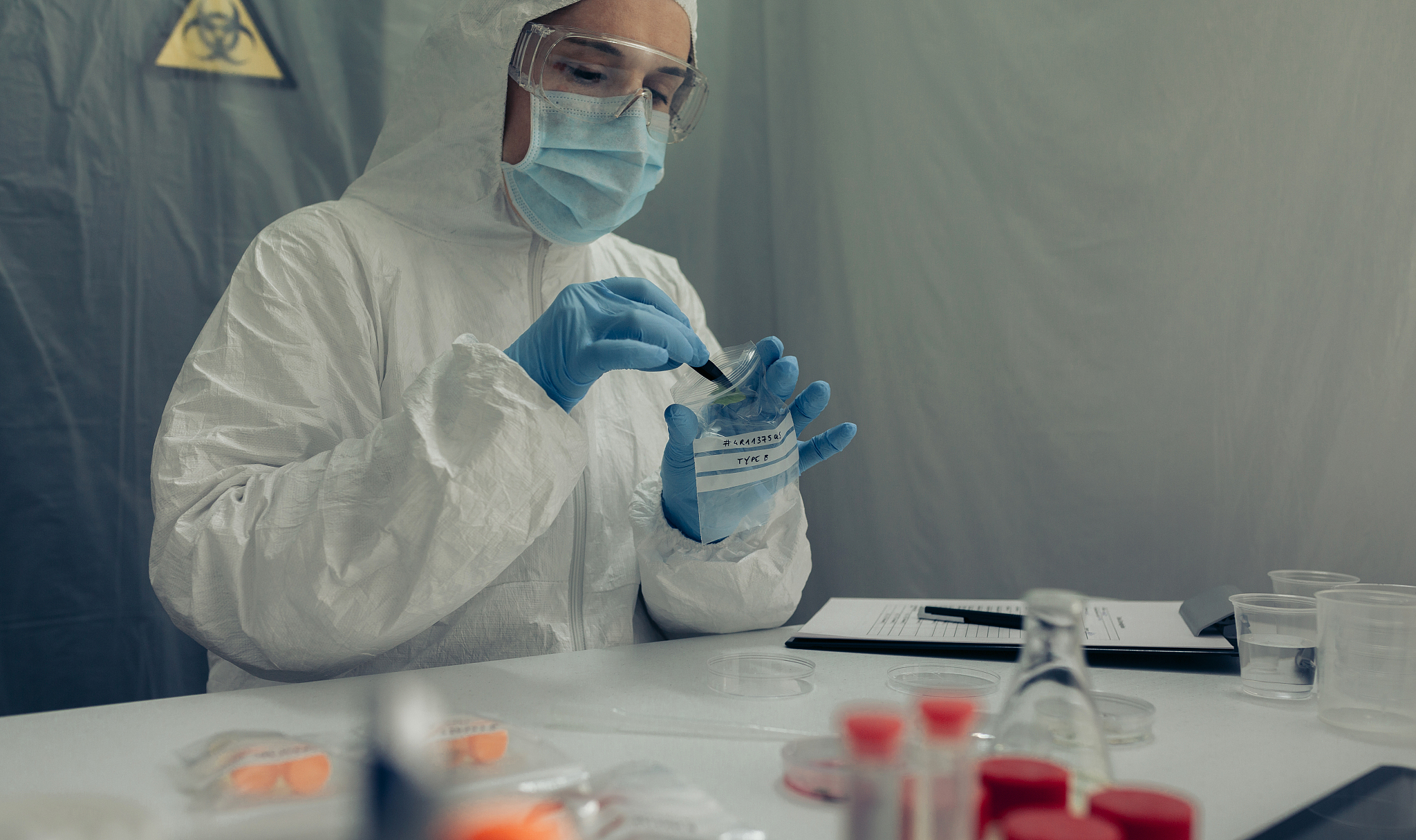
Title: Raising Awareness about the Hazards of Biological Samples\n\nIntroduction:\n- The purpose of this presentation is to educate individuals about the potential dangers associated with handling biological samples.\n- By understanding the hazards, we can promote safety measures to protect ourselves and others.\n\n1. Definition of Biological Samples:\n- Biological samples refer to any materials derived from living organisms, including blood, tissues, bodily fluids, microorganisms, and genetic material.\n\n2. Hazards Associated with Biological Samples:\na) Infectious Diseases:\n- Biological samples can contain pathogens such as bacteria, viruses, fungi, and parasites, which can cause infections.\n- Examples: HIV, Hepatitis B and C, Tuberculosis, Influenza.\n\nb) Allergenic Reactions:\n- Some individuals may be allergic to certain biological samples, leading to allergic reactions such as skin rashes, respiratory distress, or anaphylaxis.\n\nc) Toxic Substances:\n- Biological samples may contain toxic substances, such as chemicals or drugs, which can be harmful if ingested, inhaled, or absorbed through the skin.\n\n3. Modes of Transmission:\na) Direct Contact:\n- Touching contaminated biological samples without proper protection can lead to transmission of pathogens or allergens.\n- Examples: Not wearing gloves while handling blood samples.\n\nb) Inhalation:\n- Inhalation of aerosols or droplets containing pathogens can result in respiratory infections.\n- Examples: Not wearing a mask while working with infectious samples.\n\nc) Needlestick Injuries:\n- Accidental punctures from contaminated needles can result in the transmission of bloodborne pathogens.\n- Examples: Mishandling needles or not disposing of them properly.\n\n4. Safety Precautions:\na) Personal Protective Equipment (PPE):\n- Always wear appropriate PPE, including gloves, masks, goggles, and lab coats, when handling biological samples.\n- Ensure proper disposal of used PPE to prevent contamination.\n\nb) Proper Handling and Storage:\n- Follow established protocols for handling, labeling, and storing biological samples.\n- Use leak-proof containers and biohazard bags for transportation and disposal.\n\nc) Vaccinations:\n- Stay up-to-date with vaccinations, such as Hepatitis B and Tetanus, to protect against potential infections.\n\nd) Training and Education:\n- Provide comprehensive training to individuals working with biological samples, including proper handling techniques and emergency procedures.\n- Regularly update knowledge about new pathogens and safety protocols.\n\n5. Emergency Response:\n- In the event of an accident or exposure to biological samples, immediately follow the established emergency procedures, such as reporting the incident, seeking medical attention, and decontaminating the affected area.\n\nConclusion:\n- Understanding the hazards associated with biological samples is crucial for ensuring the safety and well-being of individuals handling them.\n- By implementing proper safety measures and promoting awareness, we can minimize the risks and protect ourselves and others from potential harm.
原文地址: https://www.cveoy.top/t/topic/p8gM 著作权归作者所有。请勿转载和采集!