Kunqu Opera: A Glimpse into Traditional Chinese Culture and Its Challenges
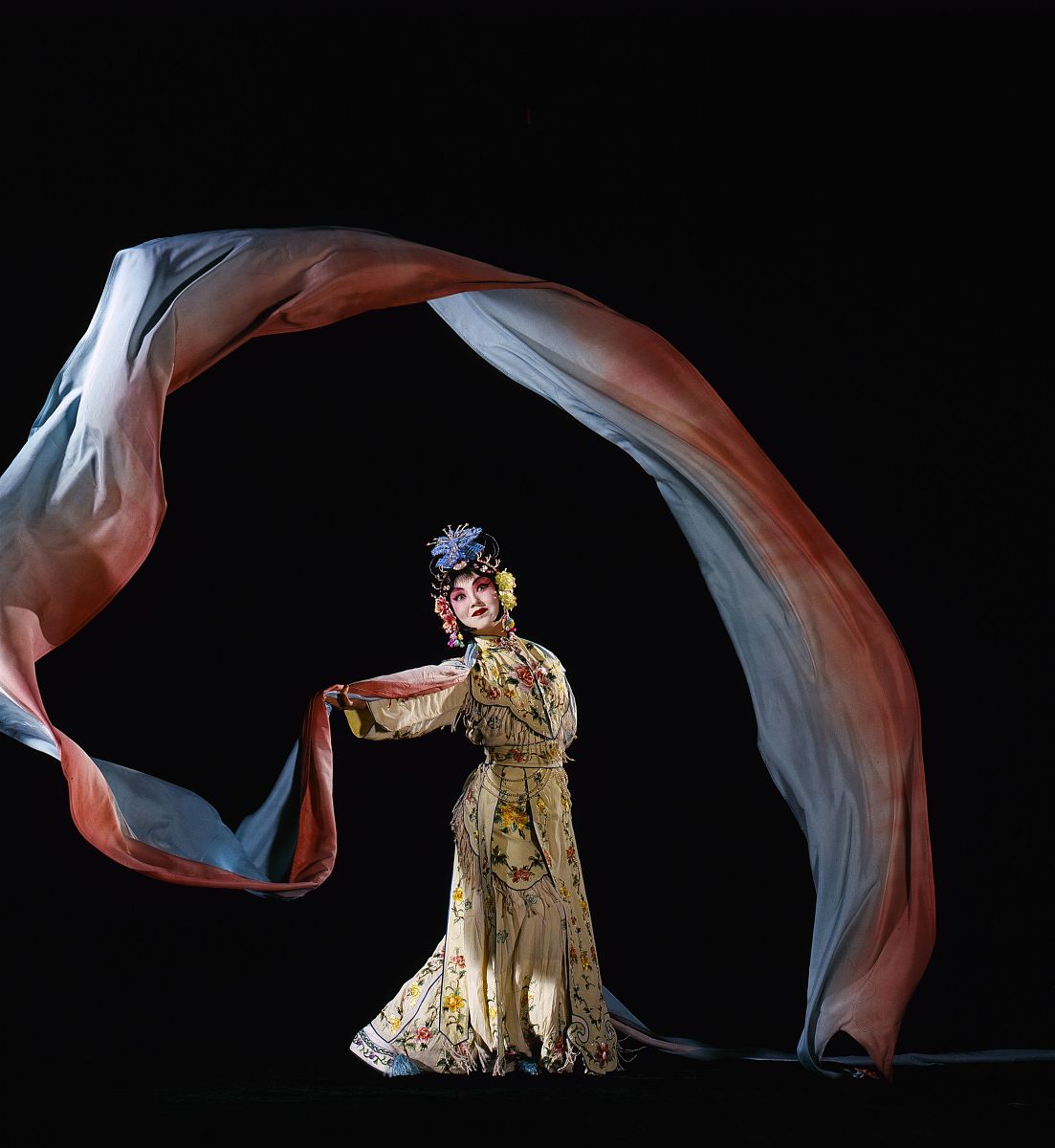
The traditional Chinese culture I want to introduce is Kunqu Opera. Kunqu Opera, formerly known as 'Kunshan Tune' or 'Kunqiang' for short, is an ancient Chinese opera voice and genre, now also known as 'Kunju'. Kunqu originated in Kunshan, Suzhou, China in the 14th century, and later spread throughout the country through improvements by Wei Liangfu and others. It has dominated the Chinese theater industry for nearly 300 years since the mid Ming Dynasty.
Kunqu Opera occupies an important position in traditional Chinese opera culture. It is one of the oldest traditional operas of the Han ethnic group, and is also a treasure in traditional Chinese culture and art, especially in opera art. It is known as an 'orchid' in the Hundred Flowers Garden. Kunqu was listed as a 'Representative Work of Human Oral and Intangible Heritage' by UNESCO in 2001, included in the first batch of national intangible cultural heritage lists in 2006, and included in the 'Representative Work List of Human Intangible Cultural Heritage' in 2008.
Even though Kunqu culture has an extremely glorious history, the ancient Kunqu culture is still in a predicament. Firstly, Kunqu opera requires extremely high skills, which have strict requirements for the basic skills of Kunqu opera actors, and it also makes many young opera actors feel intimidated and difficult to inherit; Secondly, Kunqu has a small audience. Not everyone can understand Kunqu and must possess extremely high cultural cultivation, which also leads to its relatively small target audience and hinders its dissemination; Finally, a large number of good scripts were lost, and the existing scripts were less than one-fifth of the original.
In the face of the decline of Kunqu, a traditional culture, the country has also introduced relevant measures to save it. Firstly, experts believe that the top priority for Kunqu opera is to rescue existing plays and literature materials, record the masterpieces of middle-aged and elderly artists nationwide, and collect and organize precious Kunqu literature, performance scripts, scores, and images. Secondly, Kunqu opera performances can make a living from old dramas, and the repertoire should mainly focus on inheritance and organization. For example, the 'Peony Pavilion' rehearsed by Shanghai Kunqu Opera Troupe in the past two years, accompanied by modern stage treatment, not only maintains the original characteristics but also conforms to contemporary aesthetics, and has received good market effects. Finally, the Ministry of Culture plans to establish two Kunqu Opera actor training centers in Beijing and Shanghai over the next 10 years to provide talent for the national Kunqu Opera troupes.
Although Kunqu Opera faces various difficulties, I believe that with the continuous promotion of the country, more and more people will be attracted by the unique charm of Kunqu Opera!
This speech transcript offers several logical advantages:
- Provides historical background and context for Kunqu Opera, which can help the audience understand and appreciate the art form better.
- Highlights the importance of Kunqu Opera in traditional Chinese culture and its recognition as a cultural heritage by UNESCO, which can increase its value and significance to the audience.
- Identifies the challenges facing Kunqu Opera, which can create awareness and understanding of the difficulties in preserving traditional culture.
- Suggests solutions and measures to save Kunqu Opera, which can give hope and a sense of direction to the audience and stakeholders in the preservation of traditional culture.
- Expresses optimism and confidence in the future of Kunqu Opera, which can inspire and motivate the audience to support and participate in the preservation and promotion of traditional culture.
原文地址: https://www.cveoy.top/t/topic/owfz 著作权归作者所有。请勿转载和采集!