Exploring Chinese Traditional Ceramic Culture: History, Techniques, and Significance
Introduction
Chinese traditional ceramic culture is a significant part of Chinese culture with a long history, deeply rooted in the country's heritage. It's a unique art form that has been developing for over 7,000 years, passed down from generation to generation. The culture of Chinese ceramics has undergone various transformations over the years, but remains one of the most important cultural expressions in China. This paper aims to provide an introduction to Chinese traditional ceramic culture and its significance, influence, and inheritors.
Origin and History
Chinese traditional ceramic culture has its roots in the Neolithic period, dating back to around 5000 BC. During this period, primitive ceramic artifacts were produced using a method called 'coil-building'. This method involves using coils of clay stacked to form a vessel. The vessel is then smoothed and fired in a kiln.
Over time, ceramic production evolved, and new techniques were developed. During the Han Dynasty (206 BC- 220 AD), glazed, painted, and sculpted ceramics became popular. The Tang Dynasty (618-907 AD) saw the emergence of high-fired porcelain, produced using kaolin clay. The Ming (1368-1644 AD) and Qing (1644-1911 AD) Dynasties witnessed the creation of some of the most exquisite and valuable ceramics in Chinese history.
Development Process
The development of Chinese traditional ceramic culture has been a gradual process spanning several millennia. Ceramic production has been influenced by factors like technological advancements, social and cultural changes, and economic conditions.
One of the key factors contributing to the development of Chinese traditional ceramic culture is the availability of raw materials. China has abundant deposits of clay, enabling potters to produce ceramics of various shapes, sizes, and colors.
Another factor that has contributed to the development of Chinese traditional ceramic culture is the exchange of ideas and techniques between potters from different regions. The movement of people and goods along trade routes like the Silk Road facilitated the exchange of ideas and materials, enriching the culture of Chinese ceramics.
Manufacturing Operation
The manufacturing operation of Chinese ceramics involves several processes, including clay preparation, shaping, decorating, and firing. The clay used in Chinese ceramics is usually sourced locally and undergoes several stages of processing to remove impurities and improve its plasticity.
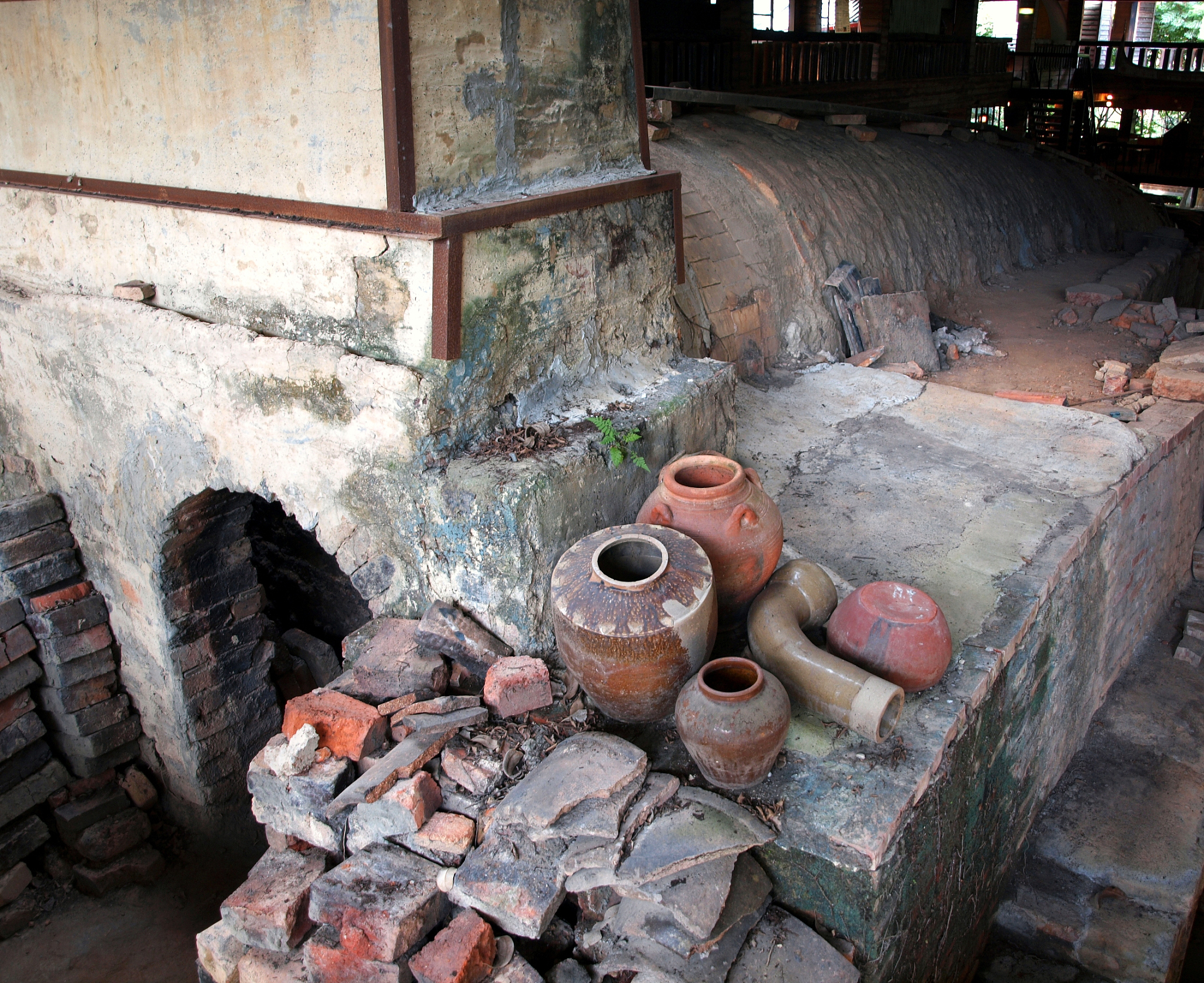
The shaping process involves using various techniques such as throwing, coiling, and slab-building. After the vessel is shaped, it's allowed to dry slowly to avoid cracking. The decoration of Chinese ceramics is done using techniques like carving, painting, and glazing. Finally, the vessel is fired in a kiln, transforming the clay into a hard, durable material.
Significance and Influence
Chinese traditional ceramic culture is significant for several reasons. First, it's an art form reflecting the history, culture, and traditions of China. The intricate designs, patterns, and colors used in Chinese ceramics are a reflection of the country's rich artistic heritage.
Second, Chinese ceramics have played a significant role in the country's economy. The export of ceramics to other countries has been an important source of revenue for China throughout its history.
Third, Chinese ceramics have had a profound influence on the ceramics industry worldwide. The development of high-fired porcelain in China was a significant milestone in the evolution of ceramics. This technology was later adopted by potters in other countries, advancing the industry globally.
Inheritor
The inheritor of Chinese traditional ceramic culture is a group of talented potters and artists who have dedicated their lives to preserving and promoting the culture of Chinese ceramics. These individuals have mastered the techniques of traditional Chinese ceramics and have created their unique styles, enriching the culture.
Conclusion
Chinese traditional ceramic culture is a vital part of Chinese heritage that has been developing for over 7,000 years. It reflects the country's rich artistic heritage and has played a significant role in the country's economy. The culture of Chinese ceramics has undergone various transformations over the years, but it remains one of the most important cultural expressions in China. It is our responsibility to preserve and promote this cultural heritage for future generations to appreciate and enjoy.
原文地址: https://www.cveoy.top/t/topic/orXE 著作权归作者所有。请勿转载和采集!