Where Could Life Exist in Our Solar System? | Exploring Habitable Worlds
Examples of places in our solar system where life might potentially be found include:
-
Mars, which has evidence of liquid water in the past and present, as well as organic molecules.
-
Europa, one of Jupiter's moons, which has a subsurface ocean of liquid water and geothermal activity.
-
Enceladus, one of Saturn's moons, which has geysers of water vapor and organic molecules.
-
Titan, another of Saturn's moons, which has lakes and seas of liquid methane and ethane.
These planets/moons have in common the potential for liquid water and organic molecules, which are two key ingredients for life as we know it. They also have geological activity, which could provide energy for life to thrive.
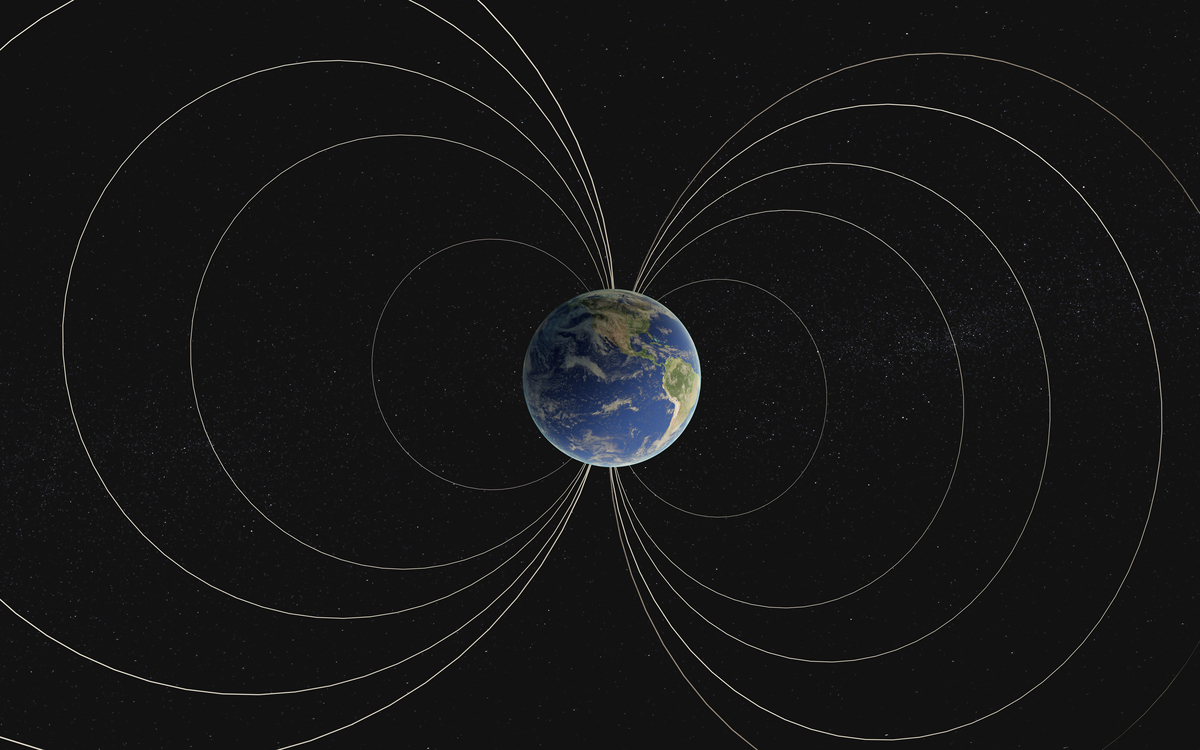
One thing they have in common that isn't a requirement for life to evolve is the presence of a magnetic field. While a magnetic field is important for protecting a planet's atmosphere from solar wind, it's not necessary for life to evolve.
The planets we don't consider good candidates often lack the necessary conditions for life, such as:
-
Mercury, which is too close to the sun and has no atmosphere to protect it from solar radiation.
-
Venus, which has a thick, toxic atmosphere and surface temperatures hot enough to melt lead.
-
Gas giants like Jupiter and Saturn, which have no solid surface and no potential for liquid water.
-
Dwarf planets like Pluto, which are too small to maintain an atmosphere and have no potential for liquid water.
These planets lack the necessary conditions for life to survive, such as liquid water and a stable atmosphere.
原文地址: https://www.cveoy.top/t/topic/oYMy 著作权归作者所有。请勿转载和采集!