药物组合疗法:新药研发的关键策略
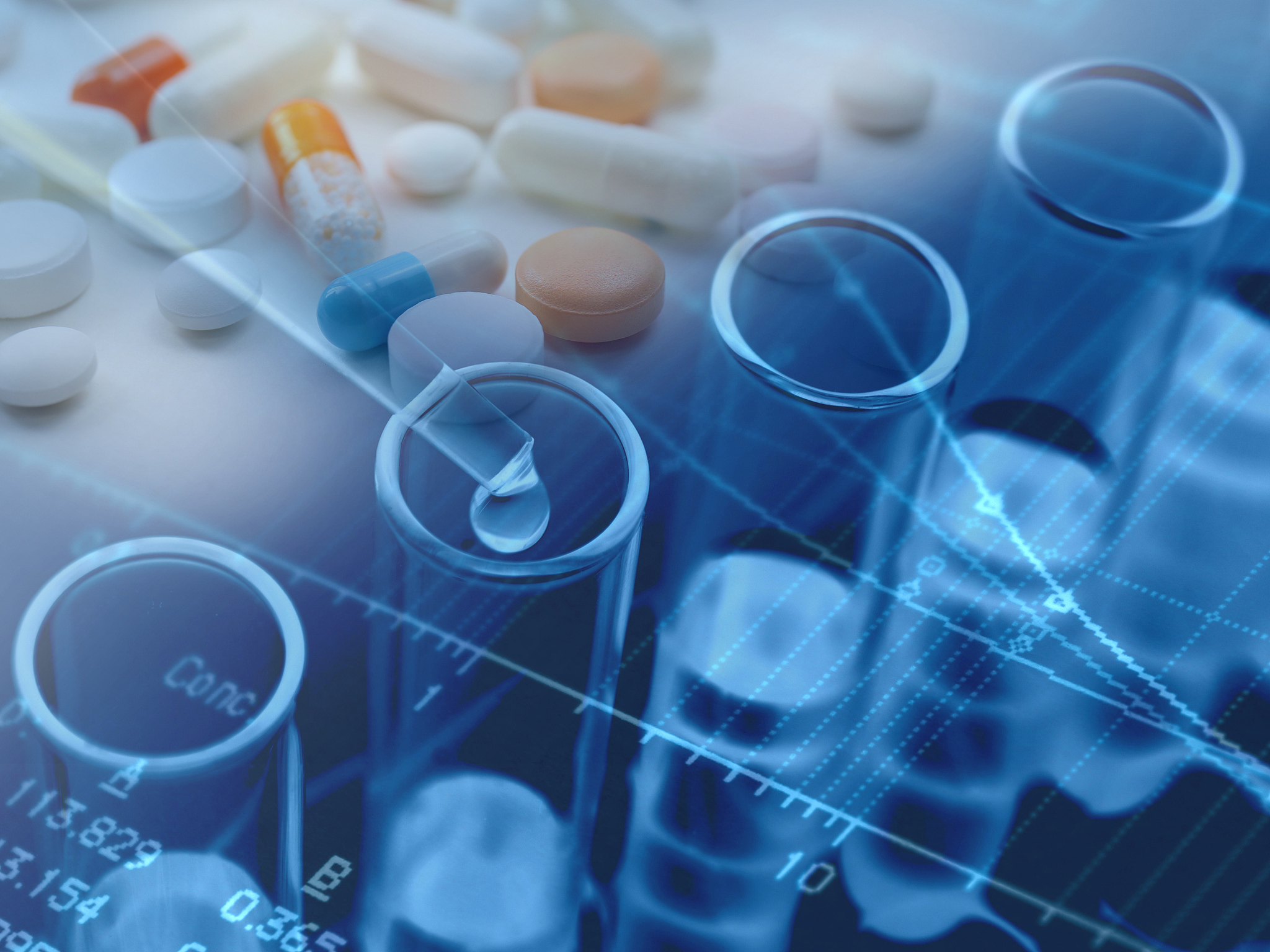
随着疾病复杂机制的不断揭示和深入研究,药物组合疗法以其协同增效、降低给药剂量、改善患者耐药性、提高依从性的优点,成为了一种关键的治疗策略,在治疗心血管疾病、抗癌、抗感染等方面都收到了不错的临床反馈[1-3]。截至目前,已有逾四百种组合药物通过FDA审批并投入使用[7]。
传统上,药物组合的发现依赖于临床经验基础上的加减,缺乏全面性、安全性。随着计算机技术和生物信息学的发展,药物组合的发现已经向着高通量、高效率的方向转变,利用组学数据库[4]、机器学习[5]、计算矩阵[6]等技术,识别具有协同作用的药物组合[8-9]。本文对国内外研究中药物组合的设计方法及应用进行综述,旨在挖掘中药各成分间协同作用组合,为现代中药新药研发提供新模式和新方法。
With the continuous unveiling and in-depth research of complex disease mechanisms, combination therapy has become a key treatment strategy in various fields such as cardiovascular diseases, anticancer, and anti-infection, due to its advantages of synergistic effects, reduced dosage, improved patient resistance, and increased compliance. As of now, more than 400 combinations of drugs have been approved by the FDA and put into use. Traditionally, the discovery of drug combinations relied on clinical experience and lacked comprehensiveness and safety. With the development of computer technology and bioinformatics, the discovery of drug combinations has shifted towards high-throughput and high-efficiency, utilizing omics databases, machine learning, and computational matrices to identify synergistic drug combinations. This article provides a review of the design methods and applications of drug combinations in domestic and foreign research, aiming to explore the synergistic combinations of various components of traditional Chinese medicine and provide new models and methods for the development of modern Chinese medicine.
原文地址: https://www.cveoy.top/t/topic/oRQm 著作权归作者所有。请勿转载和采集!