Virtual Reality (VR) Applications: Education, Entertainment, and Industries
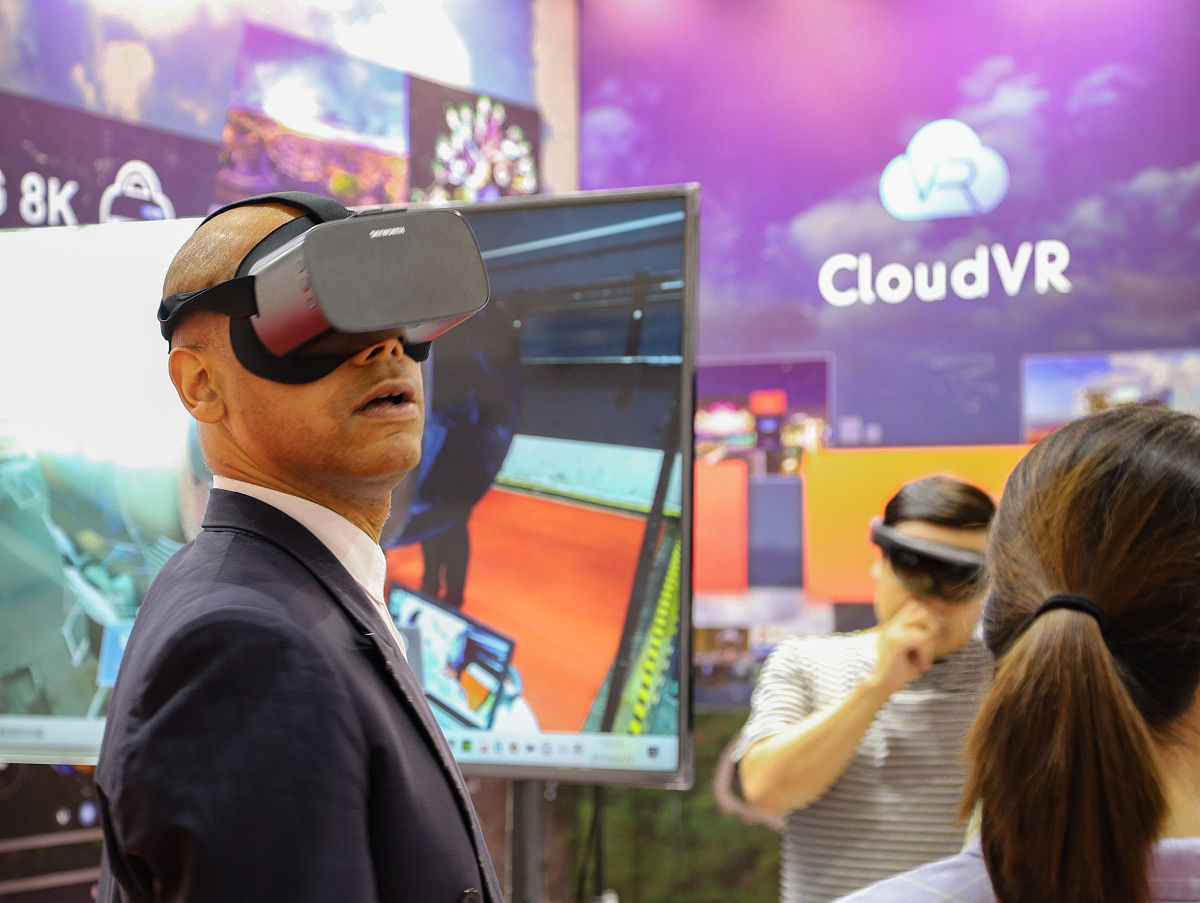
Virtual Reality (VR) is a technology that immerses users into a computer-generated virtual environment, simulating real or imagined surroundings. It typically involves wearing a head-mounted display (HMD) that tracks the user's movements and adjusts the view accordingly, providing an interactive and immersive experience.
In the field of education, VR is used to enhance learning experiences. It allows students to visit virtual historical sites, explore the human body, or interact with complex scientific concepts. VR provides a more engaging and interactive approach compared to traditional methods, helping students grasp complex subjects and improving knowledge retention.
In the entertainment industry, VR offers immersive gaming experiences. Users can enter virtual worlds and interact with their surroundings, giving them a sense of presence and agency. VR gaming is becoming increasingly popular, with a wide range of genres and experiences available.
VR is also applied in industries like architecture and design. It enables architects and interior designers to create virtual models of buildings or spaces, allowing clients to explore and visualize their designs before construction. This enhances communication and collaboration by providing a realistic representation of the final product.
In healthcare, VR is used for medical training and therapy. Surgeons can simulate complex procedures in a virtual environment, allowing them to practice and refine their techniques without risk. VR is also utilized in pain management and exposure therapy, helping patients cope with anxiety and phobias.
Industrial sectors like manufacturing and engineering use VR for design reviews, simulations, and prototyping. It allows engineers to test and optimize designs virtually, saving time and resources. VR training is also employed for high-risk jobs, providing a safe environment to learn and practice dangerous tasks.
In summary, VR finds applications in various fields. It revolutionizes education by providing immersive learning experiences, enhances entertainment with virtual gaming worlds, facilitates architectural design and prototyping, improves medical training and therapy, and assists in industrial design and training.
原文地址: https://www.cveoy.top/t/topic/nlER 著作权归作者所有。请勿转载和采集!