Ludang Lake Wetland Park: Examining the Lack of Government-NGO Interaction in Protection Efforts
Introduction
The protection of natural resources like wetlands is crucial for environmental conservation and requires collaboration among various stakeholders, including government entities and non-governmental organizations (NGOs). However, a lack of interaction and coordination can hinder protection efforts. Ludang Lake Wetland Park in Wujiang District, Suzhou City presents such a case, where limited interaction between government entities and NGOs has affected the protection process. This literature review aims to examine this lack of interaction using refined management theory.
Background
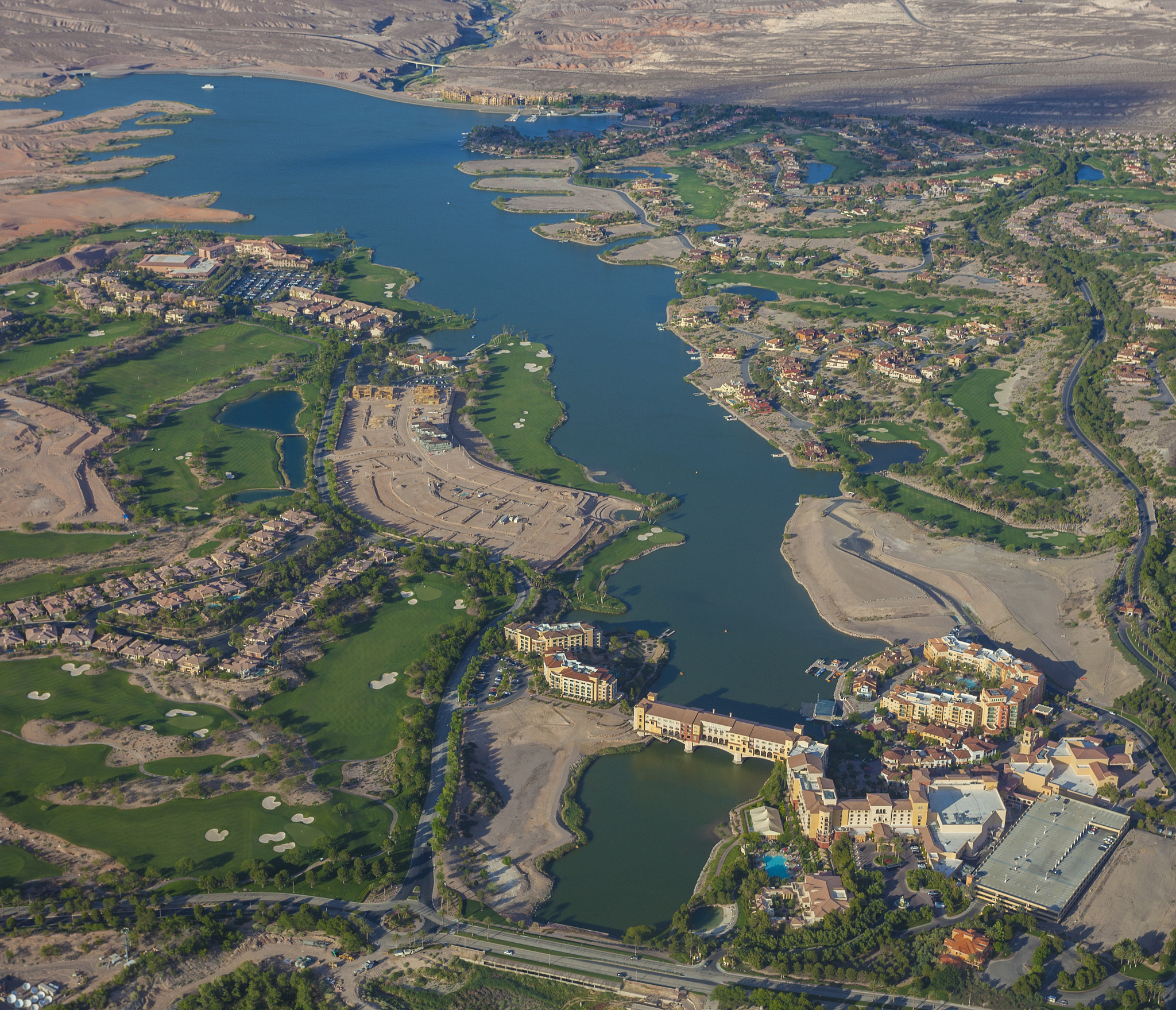
Ludang Lake Wetland Park, a protected area spanning approximately 1,500 hectares in Wujiang District, Suzhou City, is home to diverse flora and fauna, including migratory birds. However, threats like pollution, encroachment, and overfishing have negatively impacted the wetland ecosystem. Protecting this valuable resource requires collaborative efforts from various stakeholders, including government entities and NGOs.
Literature Review
The lack of interaction between government entities and NGOs in protecting Ludang Lake Wetland Park can be attributed to various factors. One significant factor is the absence of a clear policy framework outlining the roles and responsibilities of stakeholders involved in the protection process. Dong and Zhang (2019) argue that the lack of a defined framework creates confusion and uncertainty among stakeholders, hindering coordination and cooperation.
Another contributing factor is the lack of effective communication channels. Effective communication is essential for stakeholders to understand their roles, responsibilities, and work together towards common goals. However, in the case of Ludang Lake Wetland Park, communication channels between government entities and NGOs have been limited, leading to a lack of collaboration and coordination (Wang et al., 2019).
Furthermore, the lack of trust between government entities and NGOs has contributed to the lack of interaction in the protection process. According to Liu et al. (2019), the lack of trust hinders cooperation and collaboration, leading to independent efforts by each stakeholder towards their goals. This lack of trust also results in a lack of transparency and accountability, with stakeholders hesitant to share information or take responsibility for their actions.
Refined Management Theory
The refined management theory provides a framework for understanding the lack of interaction between government entities and NGOs in protecting Ludang Lake Wetland Park. This theory emphasizes the need for effective communication, coordination, and collaboration among stakeholders involved in natural resource management. It also highlights the importance of a clear policy framework outlining the roles and responsibilities of various stakeholders involved in the protection process.
Conclusion
Protecting natural resources such as wetlands necessitates collaboration and cooperation among various stakeholders, including government entities and NGOs. However, in the case of Ludang Lake Wetland Park, the lack of interaction between these entities has hindered efforts to protect the wetland ecosystem. The absence of a clear policy framework, effective communication channels, and trust among stakeholders has contributed to this limited interaction in the protection process. The refined management theory provides a framework for understanding these challenges and offers solutions for improving collaboration and cooperation among stakeholders.
原文地址: https://www.cveoy.top/t/topic/ndGe 著作权归作者所有。请勿转载和采集!