伤风和感冒的区别:英文详解
The Difference Between a Cold and the Flu
Introduction:
The common cold and the flu are two of the most prevalent illnesses that affect people worldwide. Even though they may have similar symptoms, they are caused by different viruses and have distinct characteristics. Understanding the difference between the two can help in proper treatment and prevention. This article will provide a detailed comparison of a cold and the flu.
What is a Cold?
A cold, also known as a viral upper respiratory infection (URI), is caused by a group of viruses known as rhinoviruses. It is a contagious illness that affects the nose, throat, and sinuses. Symptoms include a runny nose, sneezing, congestion, sore throat, cough, and mild fever. A cold typically lasts for about 7-10 days and is usually not severe enough to require medical attention.
What is the Flu?
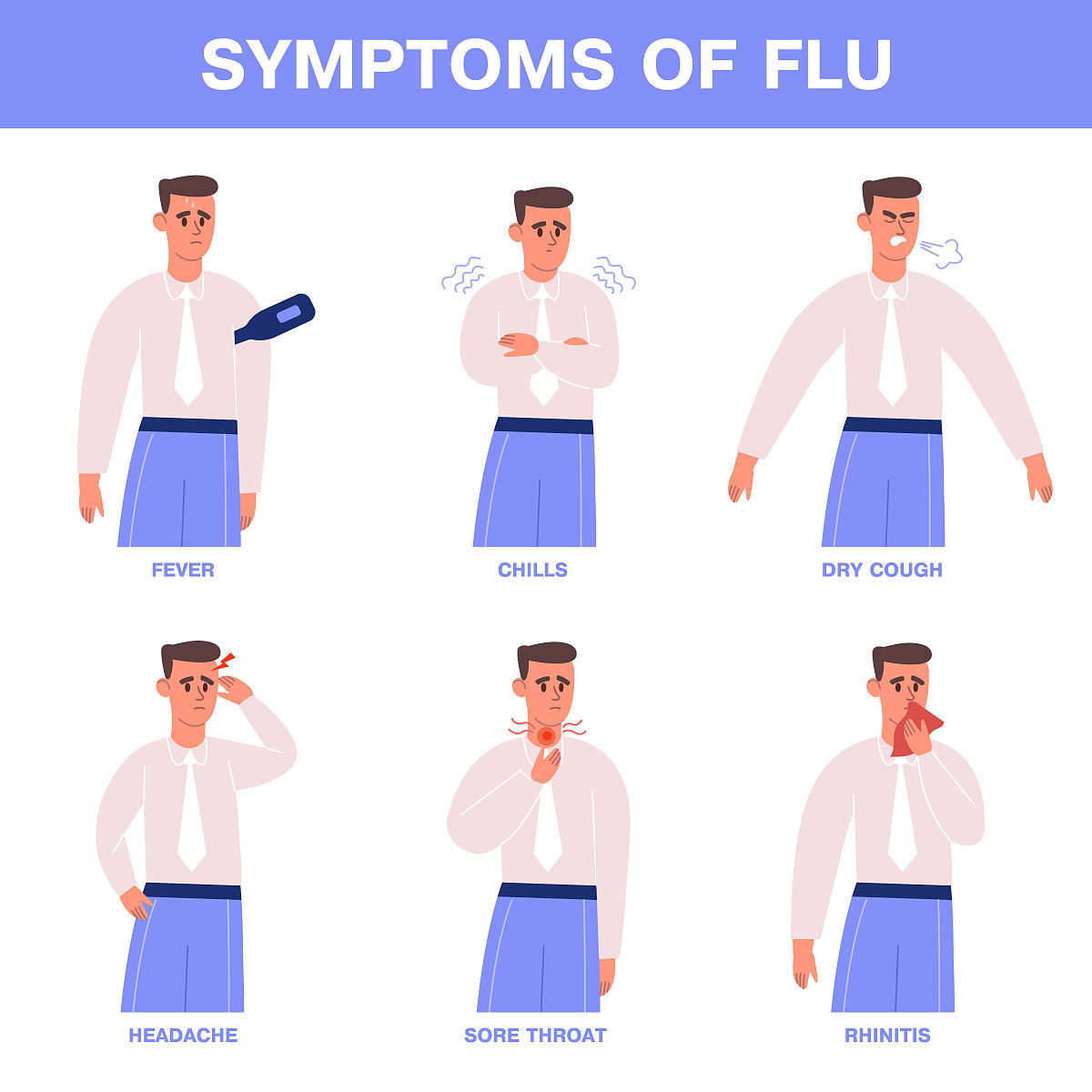
The flu, also known as influenza, is a contagious respiratory illness caused by the influenza virus. It affects the nose, throat, and lungs and can be more severe than a cold. Symptoms of the flu include fever, chills, cough, sore throat, runny or stuffy nose, body aches, headache, and fatigue. Unlike a cold, the symptoms of the flu usually come on suddenly and can last for up to two weeks. In severe cases, the flu can lead to complications such as pneumonia, bronchitis, and sinus and ear infections.
Differences:
-
Onset: While the symptoms of a cold may take a few days to appear, the flu symptoms usually come on suddenly.
-
Fever: A cold may cause a mild fever, whereas the flu can cause a high fever of 101°F or higher.
-
Body aches: The flu is known to cause severe body aches, whereas a cold may cause mild body aches.
-
Fatigue: The flu can cause extreme fatigue and weakness, whereas a cold may cause mild fatigue.
-
Complications: The flu can lead to severe complications such as pneumonia, whereas a cold usually does not lead to complications.
-
Duration: A cold usually lasts for about 7-10 days, whereas the flu can last for up to two weeks.
Prevention:
The best way to prevent both a cold and the flu is to avoid contact with infected individuals and practice good hygiene. This includes washing your hands regularly, covering your mouth and nose when coughing or sneezing, and avoiding touching your eyes, nose, and mouth. Additionally, getting an annual flu vaccine can help prevent contracting the flu.
Treatment:
There is no cure for a cold or the flu. Treatment usually involves managing the symptoms and allowing the body to fight off the infection. Over-the-counter medications such as acetaminophen or ibuprofen can help reduce fever and relieve pain and discomfort. Drinking plenty of fluids and getting plenty of rest can also help alleviate symptoms.
Conclusion:
In summary, a cold and the flu are two different illnesses caused by different viruses. While they may have similar symptoms, the flu is usually more severe and can lead to complications. Proper prevention and treatment can help alleviate symptoms and prevent the spread of these illnesses.
原文地址: https://www.cveoy.top/t/topic/nCeD 著作权归作者所有。请勿转载和采集!