Liner Shipping Industry: Overview, Challenges, and Future Prospects
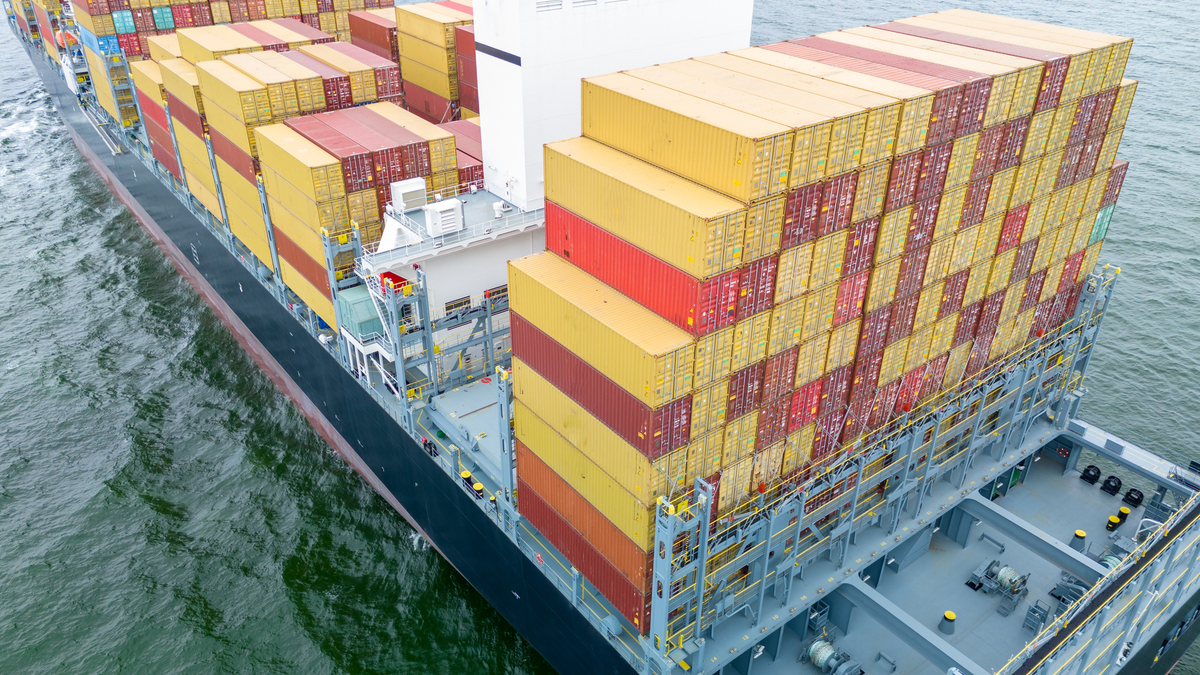
The shipping industry is categorized into bulk carriers, specialized carriers, and liner shipping, with the latter being the primary mode of transportation for semi-finished and manufactured goods using container vessels. Liner shipping operates according to fixed schedules and routes, utilizing containers to enhance reliability and reduce costs. Containers have become an essential element in regulated container ship transport. Asian ports handle approximately 50% of the regular intercontinental services provided by the industry. However, changing trade patterns and the 2019 coronavirus pandemic have posed long-term threats to the industry's sustainability. Traditionally, container traffic growth outpaced economic growth by a factor of three, but this has slowed to around 3% as global trade has matured.
The liner shipping industry traditionally comprised numerous small firms, but concentration has increased in recent years due to mergers and acquisitions. Large firms benefit from economies of scale, but customers exhibit little loyalty and are highly price-sensitive. Shipping costs are crucial for bulky, low-value products, but less so for high-value items. The primary investment for liner shipping firms is ships, and the shipbuilding industry is also supported by governments and operates on a global scale. Containers represent a significant investment and can be shipped empty due to demand imbalances. Liner shipping firms lack sophisticated information systems for value-added logistics services. Governments provide support to their flag carriers, and efforts to replace Europe-Asia routes with a land bridge or air shipping are not yet feasible.
原文地址: https://www.cveoy.top/t/topic/mGFi 著作权归作者所有。请勿转载和采集!