3D Printing in Medicine: A Revolutionary Tool
Good afternoon, everyone. Today, I'd like to talk about a fascinating topic that combines cutting-edge technology and life-saving medicine: 3D printing. As you may know, 3D printing, also known as additive manufacturing, is a process of creating three-dimensional objects by layering materials such as plastics, metals, or even living cells. While 3D printing has been used in various fields such as architecture, fashion, and aerospace, its potential in medicine is particularly exciting.
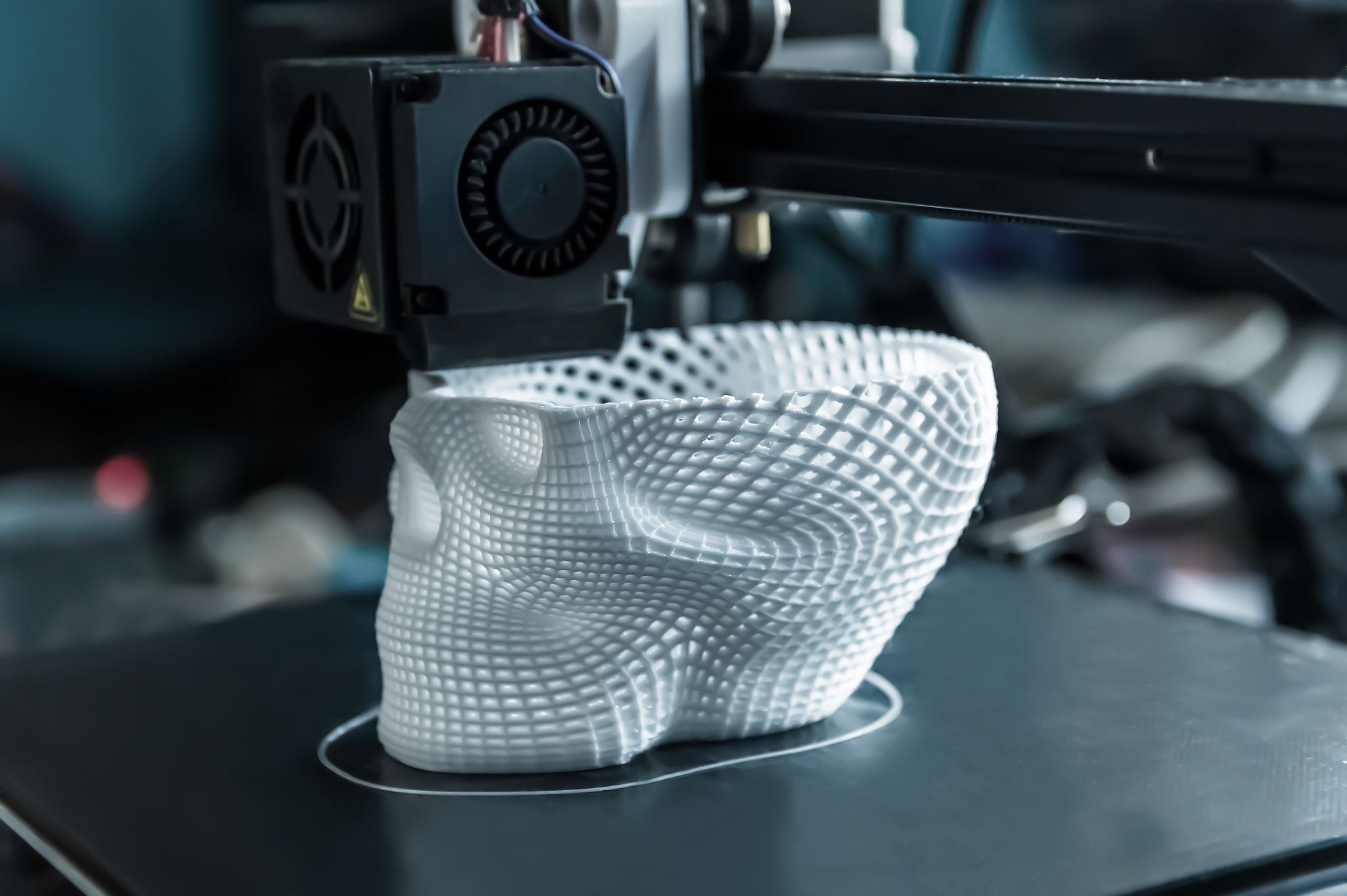
One of the most promising applications of 3D printing in medicine is the production of customized implants and prosthetics. By using 3D scans of patients' body parts, doctors and engineers can design and print implants and prosthetics that fit perfectly and function optimally, reducing the risk of rejection, infection, or discomfort. For example, 3D printing has been used to create jawbones, cranial plates, hip replacements, and even ears and noses for patients who have lost them due to accidents or diseases.
Another application of 3D printing in medicine is the creation of anatomical models that help doctors and students better understand complex structures and plan surgeries. With 3D printing, doctors can produce realistic replicas of patients' organs or tumors, which can be examined, practiced on, and even personalized with different features. These models can also be used to educate patients about their conditions, visualize treatment options, and improve communication between doctors and patients.
Moreover, 3D printing has the potential to revolutionize the field of regenerative medicine, which aims to regenerate damaged or diseased tissues and organs. By using 3D bioprinting, scientists can create artificial tissues and structures that mimic the properties and functions of natural ones, using bioinks that contain living cells, proteins, and other biomaterials. While this technology is still in its early stages, it holds great promise for treating conditions such as diabetes, heart disease, and spinal cord injuries.
In conclusion, 3D printing is a powerful tool that can transform the way we diagnose, treat, and prevent diseases in medicine. While there are still challenges and limitations to overcome, the potential benefits of 3D printing are inspiring and worth exploring. Thank you for listening.
原文地址: https://www.cveoy.top/t/topic/lBVc 著作权归作者所有。请勿转载和采集!