Environmental Pollution in Xuzhou: Sources, Status, and Solutions
Introduction: Xuzhou, a city in Jiangsu Province, China, has been facing significant environmental pollution challenges in recent years. This case study aims to provide an overview of environmental pollution in Xuzhou, analyze the pollution sources, assess the pollution status, and offer recommendations to mitigate and prevent further pollution.
Pollution Sources:
-
Industrial Pollution: The presence of numerous industries, including coal-fired power plants, steel mills, and chemical factories, contributes to air and water pollution in Xuzhou. Emissions from these industries release pollutants such as sulfur dioxide, nitrogen oxides, particulate matter, and heavy metals into the atmosphere and nearby water bodies.
-
Vehicle Emissions: The rapid increase in vehicle ownership in Xuzhou has led to a surge in air pollution. Exhaust emissions from vehicles, particularly those running on fossil fuels, release pollutants such as carbon monoxide, hydrocarbons, and nitrogen oxides, contributing to poor air quality.
-
Construction Activities: The ongoing construction activities in Xuzhou release large amounts of dust into the air, resulting in air pollution. Construction sites produce suspended particulate matter, which can travel long distances and pose health risks.
Pollution Status:
-
Air Pollution: Xuzhou frequently experiences high levels of air pollution, primarily attributed to industrial emissions, vehicle exhaust, and construction dust. The concentration of pollutants such as PM2.5, sulfur dioxide, and nitrogen dioxide often exceeds the recommended limits, posing serious health risks to residents.
-
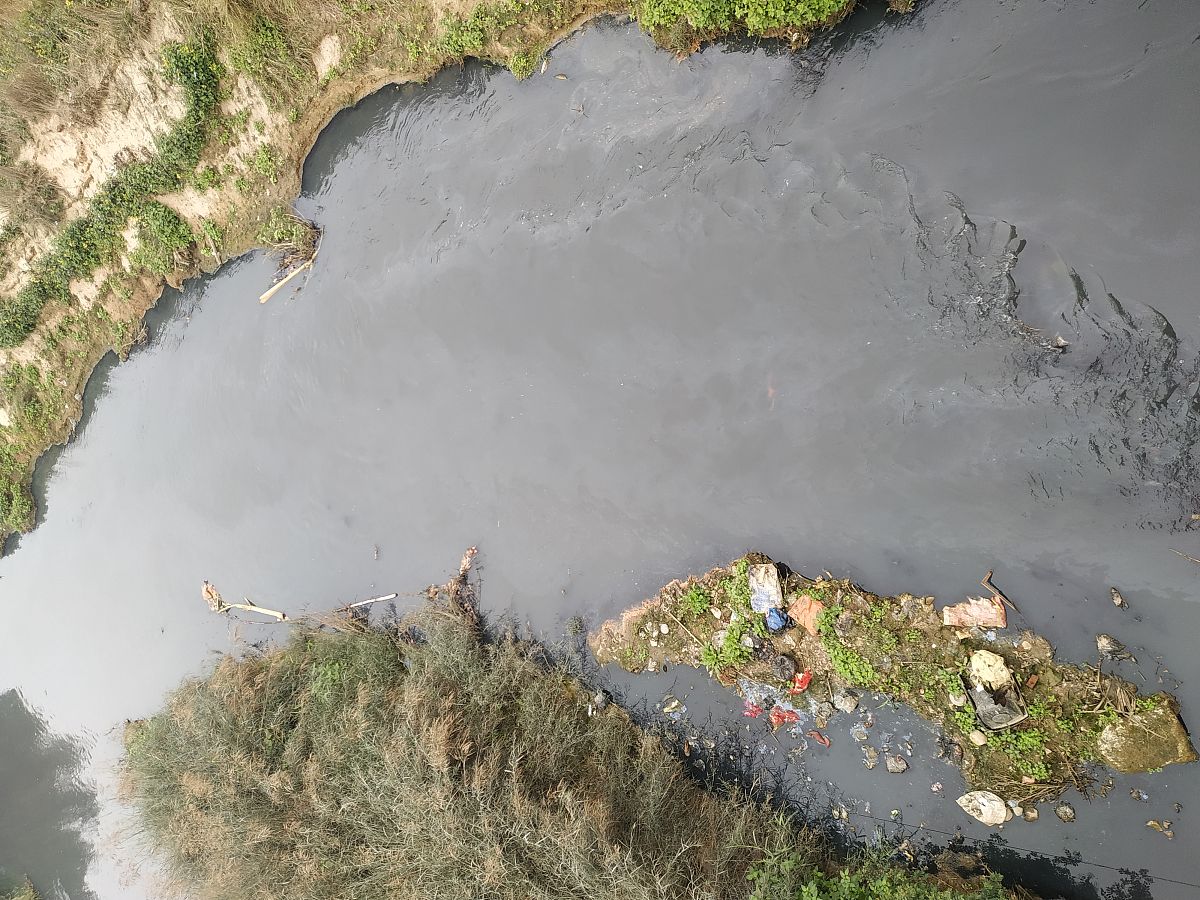
Water Pollution: The discharge of untreated or inadequately treated industrial wastewater into water bodies, including rivers and lakes, contributes to water pollution in Xuzhou. Heavy metals, harmful chemicals, and organic pollutants contaminate water sources, affecting both aquatic life and the availability of clean water for residents.
-
Soil Contamination: Industries and improper waste disposal practices have resulted in soil contamination in some areas of Xuzhou. Heavy metals and other pollutants seep into the soil, posing risks to agricultural productivity and potentially entering the food chain.
Recommendations:
-
Strengthening Environmental Regulations and Enforcement: The local government should enforce stricter regulations on emissions and waste management. Regular inspections and penalties for non-compliance should be implemented to ensure industries adhere to environmental standards.
-
Promoting Clean Energy and Transportation: Encouraging the use of clean and renewable energy sources, such as solar and wind power, can help reduce air pollution. Additionally, promoting the adoption of electric vehicles and improving public transportation infrastructure can decrease vehicle emissions.
-
Enhancing Industrial Pollution Control Measures: Industries should be required to invest in advanced pollution control technologies, such as flue gas desulfurization and wastewater treatment systems. Strict monitoring and regular audits should be conducted to ensure compliance.
-
Implementing Dust Control Measures: Construction sites should adopt effective dust control measures, such as covering materials and regular cleaning, to prevent the release of dust particles into the air. Strict regulations and inspections can ensure compliance with these measures.
-
Investing in Green Spaces and Urban Planning: Increasing the number of green spaces, such as parks and gardens, can help absorb pollutants and improve air quality. Urban planning should prioritize sustainable development practices and incorporate measures to reduce pollution.
Conclusion: Environmental pollution in Xuzhou, including air, water, and soil pollution, poses serious challenges to the well-being of residents and the environment. By strengthening regulations, promoting clean energy and transportation, enhancing pollution control measures, implementing dust control measures, and investing in green spaces and sustainable urban planning, Xuzhou can effectively mitigate and prevent further pollution. It is crucial for the local government, industries, and residents to collaborate and take collective action to ensure a cleaner and healthier environment for future generations in Xuzhou.
原文地址: https://www.cveoy.top/t/topic/ktS 著作权归作者所有。请勿转载和采集!