Songhua River Pollution: A 2005 Environmental Disaster
Songhua River Pollution: A 2005 Environmental Disaster
Introduction:
The 2005 Songhua River water pollution incident stands as a stark reminder of the potential for industrial accidents to devastate the environment and human health. This article examines the event, its consequences, and proposes solutions for a more sustainable future.
Background:
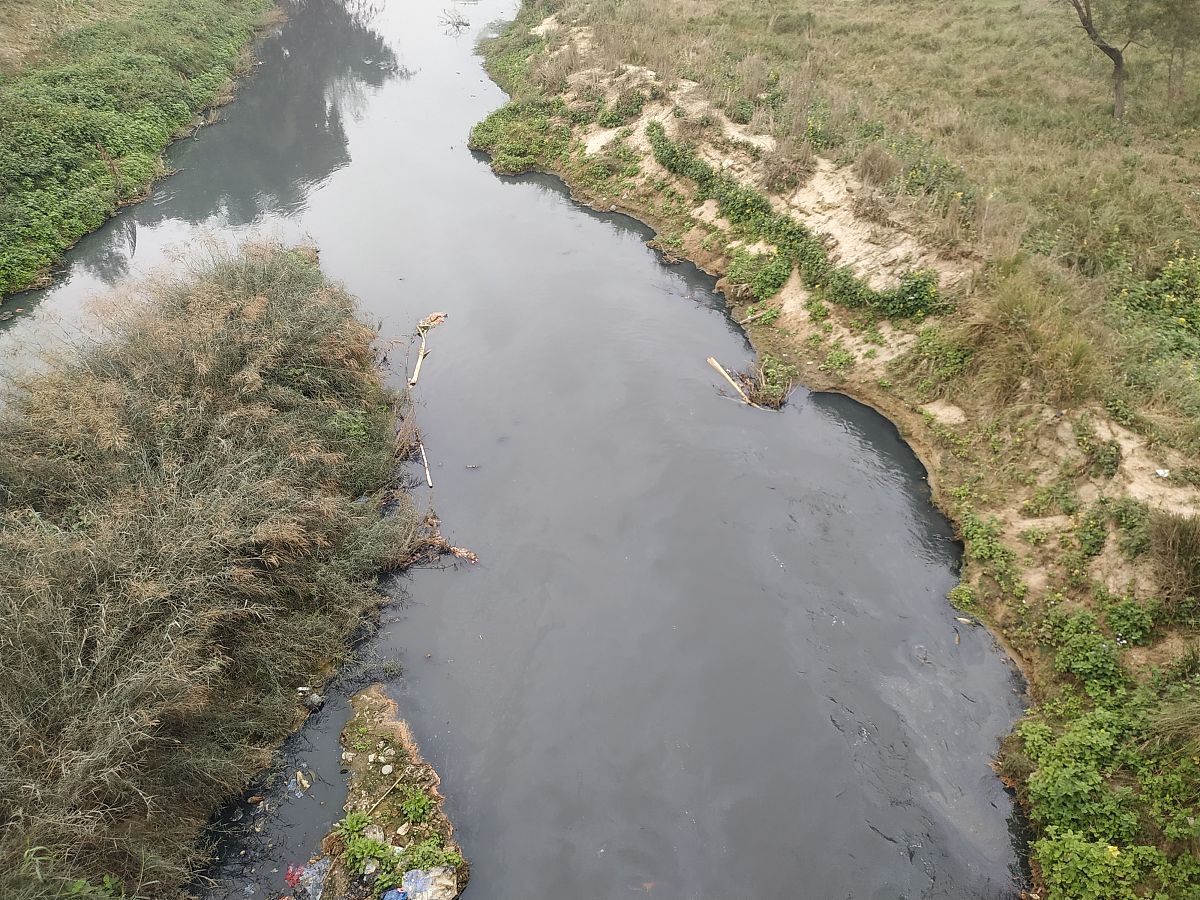
In November 2005, an explosion at a chemical plant in Jilin City, China, released an estimated 100 tons of toxic chemicals, including benzene, into the Songhua River. The contamination traveled downstream, impacting major cities like Harbin and prompting an environmental crisis.
Consequences:
The Songhua River pollution had far-reaching consequences:
- Environmental Devastation: The toxic chemicals decimated aquatic life, killing fish and disrupting delicate ecosystems for years. * Public Health Emergency: Millions faced water shortages as supplies were cut off, leading to panic and a surge in waterborne illnesses.* Economic Fallout: Industries reliant on the river, such as agriculture, fishing, and tourism, suffered significant losses, resulting in business closures and job displacement.
Solutions for a Sustainable Future:
Preventing future disasters requires a multifaceted approach:
- Stronger Environmental Regulations: Stricter regulations, rigorous enforcement, and regular industrial facility monitoring are crucial to minimizing pollution risks.2. Water Infrastructure Investment: Modern water treatment facilities with advanced filtration and purification technologies are essential for providing safe drinking water.3. Sustainable Industrial Practices: Incentivizing industries to adopt cleaner production methods, waste reduction, and pollution prevention technologies is vital. 4. Emergency Response Enhancement: Developing robust emergency response systems, early warning mechanisms, and crisis management plans can mitigate the impact of future incidents.5. Public Awareness Campaigns: Educating the public about water pollution, its consequences, and responsible water usage fosters a culture of prevention.6. International Cooperation: Collaboration with international organizations and neighboring countries facilitates knowledge sharing, best practices, and technological support.
Conclusion:
The Songhua River incident serves as a potent reminder of the urgent need for proactive environmental stewardship. By implementing stringent regulations, investing in sustainable practices and infrastructure, and fostering international collaboration, we can strive to prevent future tragedies and protect our precious water resources.
原文地址: https://www.cveoy.top/t/topic/kpi 著作权归作者所有。请勿转载和采集!