Songhua River Water Pollution Incident: Lessons Learned and Path Forward
Title: 'The Major Water Pollution Incident in Songhua River: A Path Towards Environmental Sustainability'
Introduction: China has been grappling with environmental challenges due to rapid industrialization and urbanization. One of the most significant water pollution incidents occurred in the Songhua River in 2005, shedding light on the urgent need for comprehensive measures to address the nation's environmental issues. This case study focuses on the incident, its consequences, and proposes potential solutions for a greener and more sustainable future.
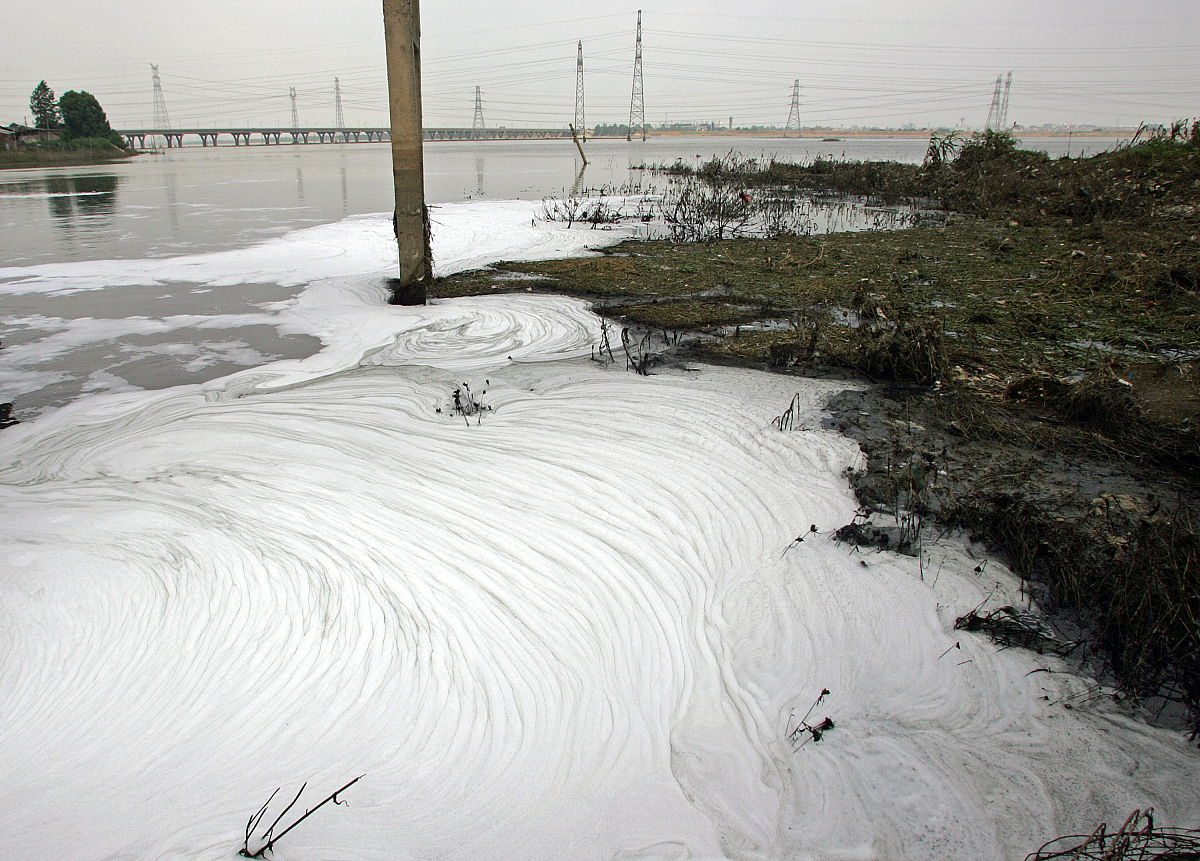
Background: In November 2005, the northeastern region of China witnessed a catastrophic water pollution incident in the Songhua River, originating from the city of Jilin. The incident was triggered by an explosion at a chemical plant, releasing approximately 100 tons of toxic chemicals, including benzene, into the river. The contamination spread downstream, affecting major cities and millions of people, including Harbin, one of China's largest cities. The incident not only caused a public health crisis but also resulted in severe economic and environmental consequences.
Consequences: The Songhua River pollution incident had far-reaching consequences on both the environment and society. The release of toxic chemicals not only contaminated the water supply but also disrupted agriculture, fishing, and other industries that relied on the river. The incident forced the shutdown of water supplies to millions of residents, causing panic and widespread disruption. Moreover, the contamination had adverse effects on aquatic life, leading to significant ecological damage.
Proposed Solutions: To address the aftermath of the incident and prevent similar occurrences in the future, several measures can be undertaken:
-
Strengthening Environmental Regulations: The government needs to enforce stricter regulations regarding industrial waste management and pollution control. Stronger penalties for non-compliance should be implemented, along with regular monitoring and audits of industrial facilities to ensure adherence to environmental standards.
-
Developing Water Treatment Infrastructure: Investment in advanced water treatment facilities, including filtration and purification technologies, is crucial. These facilities would help in effectively treating and purifying contaminated water before it is supplied to residents, ensuring the provision of safe drinking water.
-
Promoting Sustainable Industrial Practices: Encouraging industries to adopt cleaner production methods and embrace technologies that minimize waste and pollution is essential. The government should provide incentives for companies to invest in environmentally friendly practices, such as recycling, waste reduction, and the use of safer chemicals.
-
Strengthening Emergency Response Systems: Establishing well-equipped emergency response teams and systems to swiftly address and mitigate the impact of water pollution incidents is vital. Early warning systems, regular drills, and coordination between different agencies can help in prompt response and effective management of such crises.
-
Enhancing Public Awareness and Participation: Educating the public about the importance of water conservation, pollution prevention, and sustainable lifestyles is crucial. Public awareness campaigns, educational programs, and community engagement initiatives should be implemented to foster responsible water usage and active participation in environmental protection.
-
International Collaboration: China should actively engage in international cooperation, sharing experiences and best practices in tackling water pollution. Collaboration can include joint research projects, knowledge exchange programs, and technology transfer to accelerate progress towards sustainable water management.
Conclusion: The Songhua River water pollution incident was a wake-up call for China to intensify its efforts in environmental preservation. By strengthening regulations, investing in water treatment infrastructure, promoting sustainable industrial practices, enhancing emergency response systems, fostering public awareness, and collaborating internationally, China can effectively address water pollution challenges. While progress has been made since the incident, sustained commitment and a collective approach from all stakeholders are necessary to ensure a cleaner and safer environment for future generations. By prioritizing environmental sustainability, China can set an exemplary path for other nations to follow in mitigating water pollution and preserving the planet's most precious resource.
原文地址: https://www.cveoy.top/t/topic/kkX 著作权归作者所有。请勿转载和采集!