Sulforaphane Detection with Enzyme Label Instruments: ELISA and Colorimetric Methods
Enzyme label instruments are commonly used for detecting and quantifying specific molecules or compounds in a sample. In the case of sulforaphane, an enzyme label instrument could be used to detect the presence and concentration of this compound in a sample.
One possible method for detecting sulforaphane using an enzyme label instrument is to use an enzyme-linked immunosorbent assay (ELISA). ELISA is a common technique used to detect the presence of specific proteins or compounds in a sample.
To detect sulforaphane using ELISA, specific antibodies that bind to sulforaphane are first attached to a solid surface, such as a microplate. The sample containing sulforaphane is then added to the plate, and any sulforaphane molecules in the sample will bind to the antibodies.
Next, a secondary antibody that is linked to an enzyme is added to the plate. This secondary antibody will bind to the sulforaphane-antibody complex, and any excess secondary antibody is washed away.
Finally, a substrate for the enzyme is added to the plate, which causes a color change. The intensity of the color change is proportional to the amount of sulforaphane in the sample, and can be measured using an enzyme label instrument.
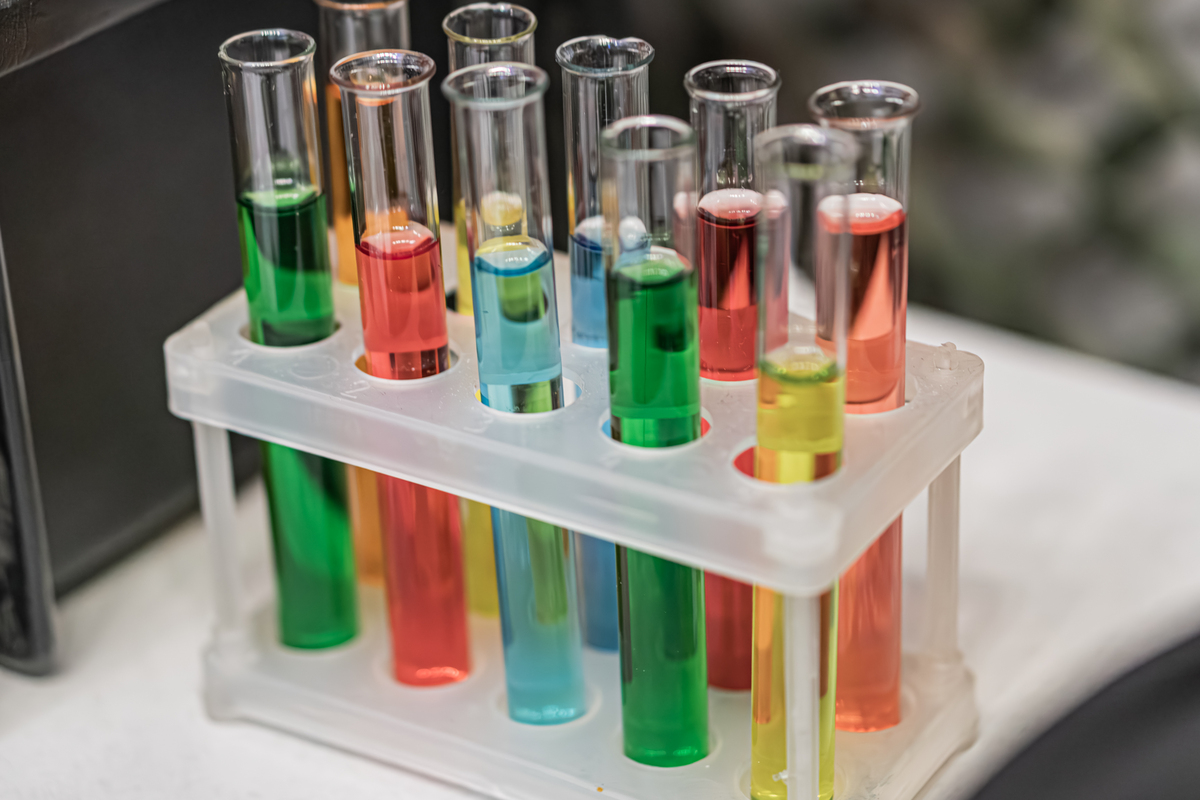
Using a color reaction for visual observation can also be incorporated into the ELISA process. For example, a chromogenic substrate can be used that produces a visible color change when the enzyme is present. This can provide a quick and easy way to visually confirm the presence of sulforaphane in a sample.
Overall, an enzyme label instrument can be a powerful tool for detecting and quantifying sulforaphane in a sample, and incorporating a color reaction can provide a convenient visual confirmation of the results.
原文地址: https://www.cveoy.top/t/topic/kR3c 著作权归作者所有。请勿转载和采集!