信息技术赋能老年人能力评估:工具应用与发展前景
信息技术赋能老年人能力评估:工具应用与发展前景
随着全球老龄化程度加剧,老年人能力评估日益重要。传统评估方法存在诸多局限,而信息技术的快速发展为老年人能力评估提供了新的思路和方法。本文将回顾信息技术在老年人能力评估工具中的应用现状,并探讨其未来发展前景。
一、 信息技术应用现状
近年来,移动应用、传感器技术、人工智能等信息技术被广泛应用于老年人能力评估工具的开发和应用中,具体体现在以下几个方面:
- 移动应用: 基于智能手机或平板电脑的应用程序可以评估老年人的认知功能、情绪状态、日常生活活动等。例如,Hsu等人 (2019) 开发了一款基于平板电脑的认知评估工具,用于评估轻度认知障碍老年人的认知功能。2. 传感器技术: 可穿戴设备、环境传感器等可以收集老年人的生理数据、活动数据等,用于评估老年人的身体机能、睡眠质量、跌倒风险等。例如,Rantz等人 (2015) 利用传感器技术开发了一套居家养老支持系统,可以监测老年人的活动状态、睡眠模式等,并及时发现潜在的健康风险。3. 人工智能: 机器学习、深度学习等人工智能技术可以分析老年人的评估数据,识别潜在的健康风险,并提供个性化的评估报告和干预建议。例如,Sacco等人 (2017) 利用信息通信技术和人工智能算法,开发了一套可以识别阿尔茨海默病和轻度认知障碍老年人日常生活活动障碍的系统。
二、 未来发展前景
信息技术在老年人能力评估工具中的应用仍处于发展阶段,未来发展前景广阔,主要体现在以下几个方面:
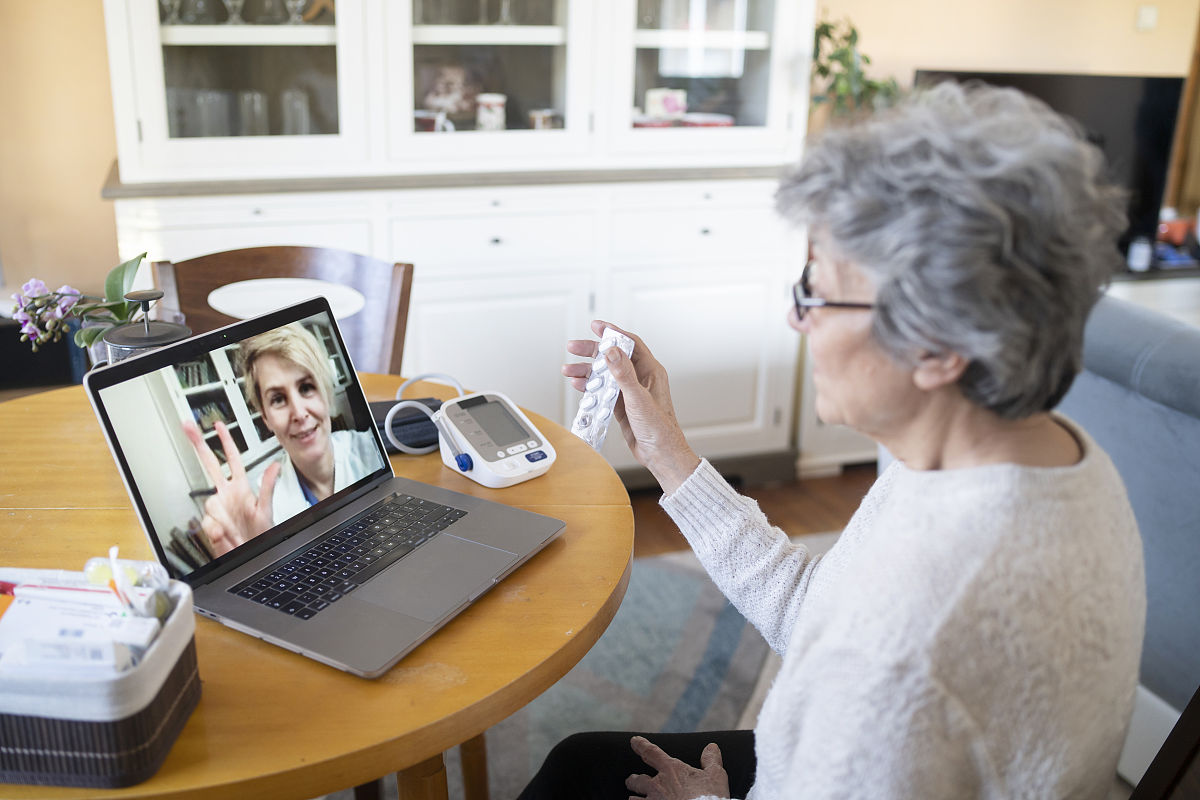
- 个性化评估: 基于个体差异,开发更精准、个性化的评估工具,为老年人提供更有针对性的评估结果和干预方案。2. 远程监测: 利用信息技术实现远程评估和监测,突破时间和空间的限制,提高评估效率,及时发现老年人的健康问题。3. 人工智能辅助决策: 利用人工智能技术分析海量评估数据,为医生和护理人员提供辅助决策支持,制定更科学合理的干预方案。
三、 总结
信息技术为老年人能力评估工具的开发和应用带来了新的机遇,未来将朝着更加智能化、个性化、便捷化的方向发展,为老年人提供更优质的评估和服务,助力老年人健康老龄化。
参考文献:
- Alquraan, R. A., & Hassan, M. M. (2017). Development of a Mobile-Based Tool for Assessing Elderly Physical Activity. In 2017 IEEE 23rd International Conference on Parallel and Distributed Systems (ICPADS) (pp. 1144-1148). IEEE.2. Gschwind, Y. J., Eichberg, S., Ejupi, A., de Rosario, H., & Kroll, M. (2015). ICT-based system to predict and prevent falls (iStoppFalls): results from an international multicenter randomized controlled trial. European Review of Aging and Physical Activity, 12(1), 10.3. Hsu, Y. L., Hsu, W. H., Hwang, J. P. L., & Chang, C. K. (2019). The Development and Evaluation of a Tablet-Based Cognitive Assessment Tool for People with Mild Cognitive Impairment. Journal of Medical Systems, 43(4), 84.4. Liu, L., Stroulia, E., Nikolaidis, I., Miguel-Cruz, A., Rincon, A. R., & Uzor, S. (2019). Smart homes and home health monitoring technologies for older adults: A systematic review. International Journal of Medical Informatics, 124, 82-92.5. Mitzner, T. L., Chen, T. L., Kemp, C. C., & Rogers, W. A. (2019). Identifying the potential for robotics to assist older adults in different living environments. International Journal of Social Robotics, 11(4), 523-538.6. Peetoom, K. K., Lexis, M. A., Joore, M., Dirksen, C. D., de Witte, L. P., & Bamberg, S. J. (2015). Development of a clinical decision support system for the prevention and management of frailty in older adults: the DECISIONS project. BMC Medical Informatics and Decision Making, 15(1), 73.7. Rantz, M. J., Skubic, M., Miller, S. J., Galambos, C., Alexander, G., Keller, J., ... & Back, J. (2015). Sensor technology to support aging in place. Journal of the American Medical Directors Association, 16(5), 386-391.8. Sacco, G., Joumier, V., Darmon, N., Dechamps, A., Derreumeaux, G., Lee, J. H., ... & David, R. (2017). Detection of activities of daily living impairment in Alzheimer's disease and mild cognitive impairment using information and communication technology. Clinical Interventions in Aging, 12, 1687-1699.9. Tomita, N., & Furuta, K. (2017). Development of the Gerontechnology Evaluation Index for assessing the effects of information and communication technology use by older adults. Gerontechnology, 16(3), 164-171.10. Wahle, F., Boll, S., & Lichte, T. (2016). Evaluation of a mobile phone-based emergency response system for elderly people. Journal of Medical Internet Research, 18(6), e170.
原文地址: https://www.cveoy.top/t/topic/jXq 著作权归作者所有。请勿转载和采集!