Mental Health: A Definition and Its Importance
Mental Health: A Definition and Its Importance
Mental health, also referred to as psychological well-being, encompasses a person's overall emotional, cognitive, and social health. It's not simply the absence of mental illness, but a state of thriving characterized by:
- Emotional well-being: The ability to experience and manage a range of emotions, both positive and negative, in a healthy and balanced way.* Cognitive well-being: Having clear thinking, good judgment, and the capacity to learn and retain information.* Social well-being: Forming and maintaining healthy relationships, feeling connected to others, and engaging in meaningful social interactions.
A mentally healthy individual exhibits several key qualities, including:
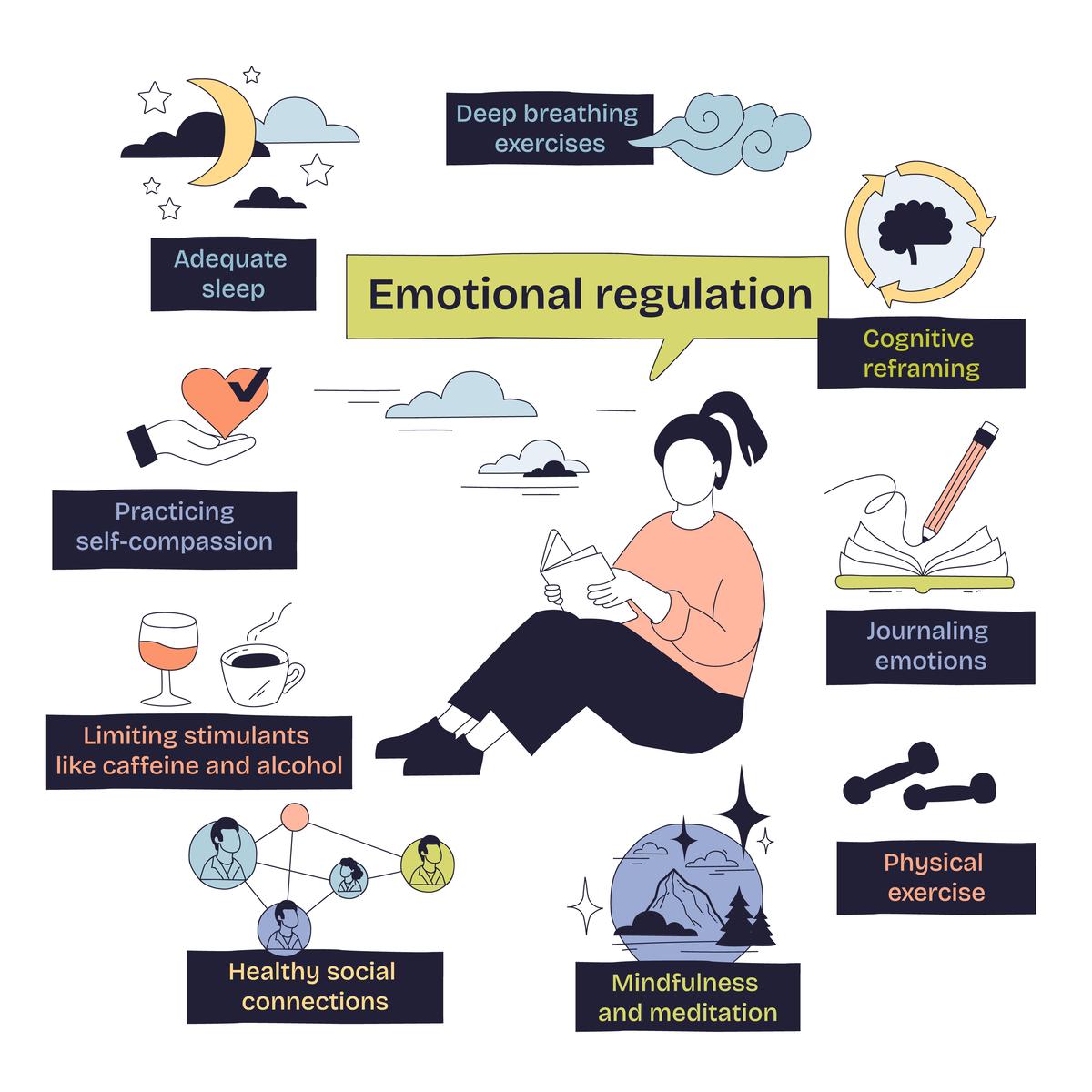
- Resilience: The ability to bounce back from adversity, challenges, and stress.* Self-awareness: Understanding one's own emotions, thoughts, and behaviors, and how they impact others.* Emotional regulation: Managing and expressing emotions in a constructive manner.* Sense of purpose and fulfillment: Having goals, aspirations, and a sense of meaning in life.
Good mental health is fundamental to overall well-being. It allows individuals to:
- Cope effectively with life's challenges: Mental well-being equips individuals with the tools to navigate stress, adversity, and difficult situations.* Build and maintain healthy relationships: Emotional regulation and empathy are crucial for fostering strong, positive connections with others.* Achieve their full potential: When mental health is nurtured, individuals can unlock their capabilities and pursue their goals with greater confidence and resilience.* Experience a higher quality of life: Mental well-being contributes to feelings of happiness, contentment, and overall satisfaction with life.
原文地址: https://www.cveoy.top/t/topic/jIB 著作权归作者所有。请勿转载和采集!