1000 words eassy on ww1
World War I, also known as the Great War, was a global conflict that took place from 1914 to 1918. It involved many of the world's major powers, divided into two opposing alliances: the Allies (comprised of France, Russia, Great Britain, and later the United States) and the Central Powers (consisting of Germany, Austria-Hungary, and the Ottoman Empire). This essay will explore the causes, events, and consequences of World War I.
One of the primary causes of World War I was the complex network of alliances that existed among European powers in the early 20th century. These alliances were formed partly as a result of long-standing rivalries and territorial disputes. For instance, France sought revenge against Germany after losing Alsace-Lorraine in the Franco-Prussian War of 1870-1871. Similarly, Austria-Hungary was determined to maintain control over its diverse empire, which was threatened by the rising influence of Serbia and other Balkan states.
Another key factor leading to the outbreak of war was the growing militarism and arms race among European powers. Countries were constantly increasing their military capabilities, which created a tense atmosphere and contributed to a sense of inevitability regarding a future conflict. In particular, Germany's rapid industrialization and militarization under Kaiser Wilhelm II alarmed other nations and led to a fear of German dominance.
The assassination of Archduke Franz Ferdinand of Austria-Hungary in June 1914 was the immediate trigger for the war. Ferdinand's assassination by a Serbian nationalist in Sarajevo ignited a series of diplomatic crises and ultimatums between Austria-Hungary and Serbia. The assassination provided Austria-Hungary with an opportunity to punish Serbia and assert its authority in the region. However, the conflict quickly escalated due to the alliance system, as various countries were compelled to honor their commitments and join the war.
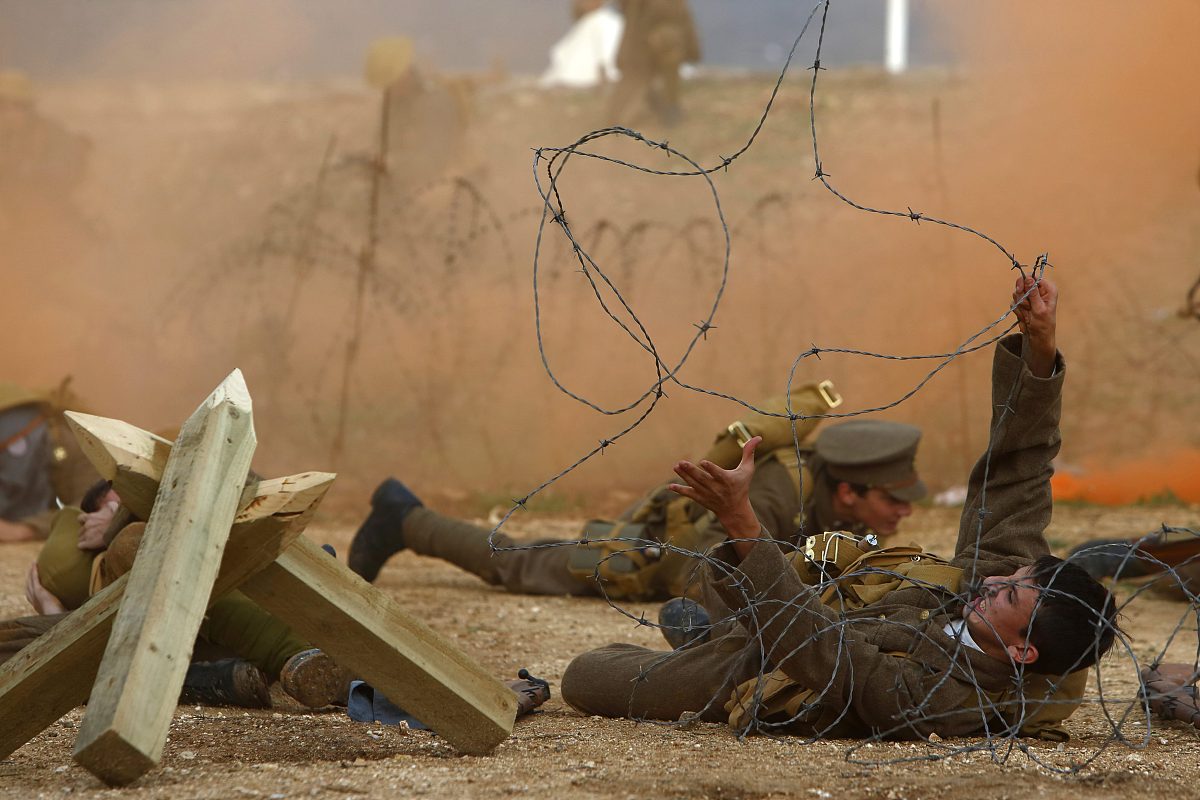
The war itself was characterized by trench warfare, a brutal and static form of combat that dominated the Western Front. Soldiers on both sides lived in squalid trenches, facing constant shelling, machine gun fire, and disease. The war also saw the first widespread use of chemical weapons, such as mustard gas, which caused horrific injuries and casualties.
World War I was not limited to the Western Front, as fighting took place across multiple continents. The Eastern Front, for example, witnessed heavy fighting between Germany and Russia, with both sides suffering heavy losses. Additionally, the war spread to the Middle East, where the Ottoman Empire joined the Central Powers and fought against British and Arab forces.
The entry of the United States into the war in 1917 marked a turning point. The sinking of the British passenger liner RMS Lusitania by a German U-boat, resulting in the death of many American civilians, was a major catalyst for American involvement. The United States declared war on Germany, providing a significant boost to the Allied cause.
Ultimately, the war ended in 1918 with the signing of the Treaty of Versailles. This treaty imposed harsh terms on Germany, including massive reparations payments, territorial losses, and limitations on its military. The treaty's punitive nature and the economic hardships it caused in Germany contributed to the rise of Adolf Hitler and the outbreak of World War II.
In conclusion, World War I was a complex and devastating conflict that had far-reaching consequences. It was caused by a combination of factors, including alliances, militarism, and the assassination of Archduke Franz Ferdinand. The war itself was characterized by trench warfare and witnessed the first widespread use of chemical weapons. The entry of the United States into the war tipped the balance in favor of the Allies, leading to the eventual defeat of the Central Powers. The Treaty of Versailles, which ended the war, planted the seeds for future conflicts and shaped the course of history in the 20th century.
原文地址: https://www.cveoy.top/t/topic/i7Ic 著作权归作者所有。请勿转载和采集!