Write a report on the newly installed renewable energy capacity in China
Title: China's Remarkable Progress in Renewable Energy Capacity
-
Introduction: China has made significant strides in recent years to transform its energy sector by embracing renewable sources of energy. This report aims to provide an overview of the newly installed renewable energy capacity in China and its implications for the nation's energy transition.
-
Overview of Renewable Energy Sources: China's renewable energy capacity primarily focuses on four key sources: wind, solar, hydroelectric, and biomass. Each of these sources contributes significantly to China's renewable energy mix.
-
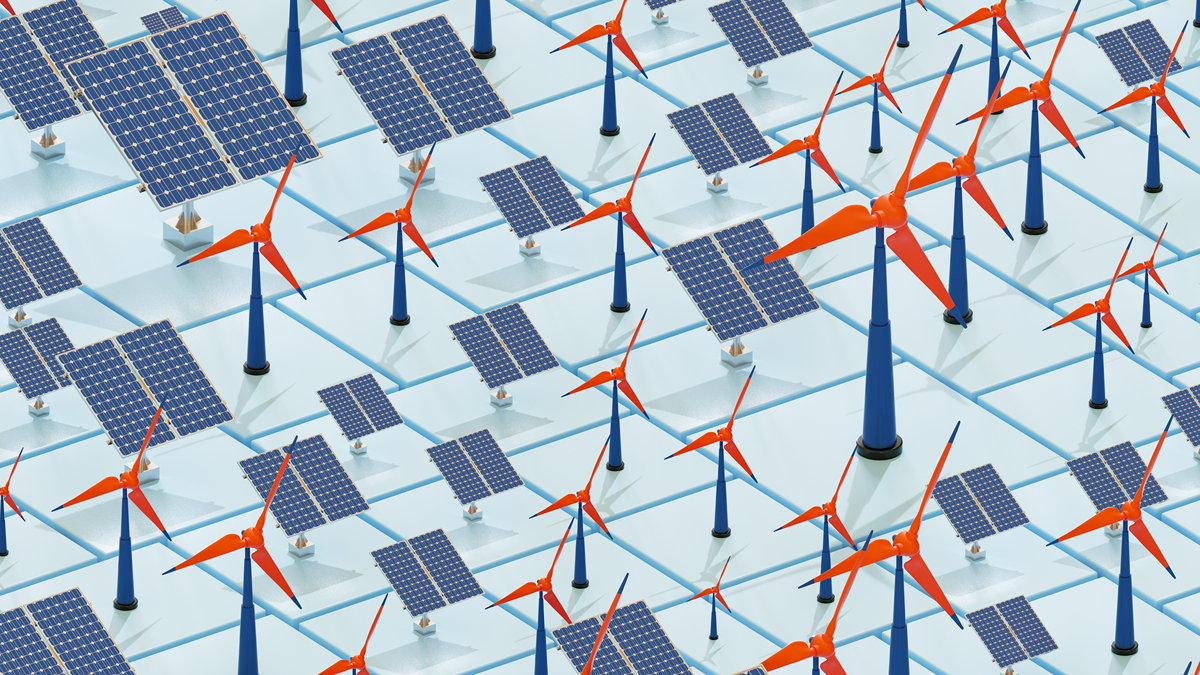
Wind Power: China is the world's largest producer of wind power, with an installed capacity of over 282 gigawatts (GW) as of 2020. The country has leveraged its vast land areas to establish numerous wind farms, both onshore and offshore, contributing to the reduction of carbon emissions.
-
Solar Power: China has emerged as a global leader in solar energy, with an installed capacity of over 253 GW as of 2020. The nation's commitment to solar power is evident through its extensive deployment of solar panels in residential, commercial, and utility-scale projects.
-
Hydroelectric Power: China has a long history of harnessing hydroelectric power, primarily from large-scale dams. The nation boasts an installed hydropower capacity of over 356 GW in 2020, making it the largest hydropower producer globally.
-
Biomass Energy: China has recognized the potential of biomass energy, particularly from agricultural residues and organic waste. Though the installed capacity of biomass energy is smaller compared to other sources, it plays a vital role in diversifying China's renewable energy portfolio.
- Government Initiatives and Policies: China's rapid progress in renewable energy capacity can be attributed to a range of government policies and initiatives aimed at promoting clean energy production and consumption. Notable policies include:
-
Renewable Portfolio Standards: The Chinese government has set ambitious targets for renewable energy production, mandating that a specific proportion of the total energy mix must come from renewable sources.
-
Feed-in Tariffs: China has implemented a feed-in tariff system, providing long-term contracts and guaranteed payments to renewable energy producers. This policy has incentivized private investment in renewable energy projects.
-
Research and Development: The government has heavily invested in research and development of renewable energy technologies, including the development of advanced wind turbines, solar panels, and energy storage systems.
- Impacts and Challenges: The installation of new renewable energy capacity in China has brought several positive impacts and faced certain challenges:
-
Reduced Carbon Emissions: China's renewable energy capacity has significantly contributed to reducing the nation's carbon emissions. It plays a crucial role in China's commitment to peak carbon emissions by 2030 and achieve carbon neutrality by 2060.
-
Employment Opportunities: The renewable energy sector has created numerous jobs, stimulating economic growth and development in both urban and rural areas.
-
Grid Integration and Infrastructure: The rapid growth of renewable energy has posed challenges in terms of grid integration and infrastructure development. The intermittent nature of wind and solar power requires advanced grid management systems and energy storage solutions.
-
Environmental Concerns: Large-scale hydropower projects have faced criticism due to their environmental impact, including the displacement of local communities and ecological damage. China must strive to strike a balance between renewable energy development and environmental sustainability.
- Conclusion: China's newly installed renewable energy capacity showcases the nation's commitment to sustainability and its transition towards a greener energy future. The government's policies and initiatives have facilitated remarkable progress in renewable energy generation, reducing carbon emissions and creating employment opportunities. However, challenges remain in terms of grid integration, infrastructure development, and mitigating environmental concerns. Continuous efforts are necessary to ensure a sustainable and balanced approach to renewable energy development in China
原文地址: https://www.cveoy.top/t/topic/hYiQ 著作权归作者所有。请勿转载和采集!