Analyze the politics economy culture science and technology geographical environment military and other aspects of Sweden Germany France Italy and Greece
Politics:
Sweden: Sweden is a constitutional monarchy with a parliamentary democracy. The country has a multi-party system, with the Social Democratic Party traditionally being the largest party. Sweden is known for its welfare state policies, with a focus on social equality and strong social welfare programs.
Germany: Germany is a federal parliamentary republic. It has a multi-party system, with the Christian Democratic Union and the Social Democratic Party being the two largest parties. Germany is known for its strong economy, and it plays a crucial role in the European Union's decision-making processes.
France: France is a semi-presidential republic. It has a multi-party system, with the Socialist Party and The Republicans being the main parties. France has a strong central government and is known for its cultural influence, including its language, cuisine, and arts. It is also a prominent member of the European Union.
Italy: Italy is a parliamentary republic. It has a multi-party system, with the Five Star Movement and the Democratic Party being key players. Italy has had a history of political instability and frequent changes in government, but it is known for its rich cultural heritage, including art, fashion, and cuisine.
Greece: Greece is a parliamentary republic. It has a multi-party system, with New Democracy and SYRIZA being prominent parties. Greece has faced economic challenges in recent years, including a debt crisis. It has a rich cultural history, being the birthplace of democracy and with a strong influence on philosophy, literature, and the arts.
Economy:
Sweden: Sweden has a highly developed mixed economy, with a strong welfare state. It has a high standard of living, with a focus on innovation, technology, and exports. Key sectors include manufacturing, services, and high-tech industries.
Germany: Germany has the largest economy in Europe and is known for its strong manufacturing sector, particularly in automobiles and machinery. It has a highly skilled workforce and is a global leader in exports. The country also has a strong financial sector.
France: France has the second-largest economy in the Eurozone. It has a diverse economy, with key sectors including manufacturing, services, tourism, and agriculture. France is known for its luxury goods, aerospace industry, and strong agricultural sector.
Italy: Italy has a mixed capitalist economy and is known for its luxury goods, fashion, and design industries. However, it has faced economic challenges, including high public debt and slow economic growth. Key sectors include manufacturing, services, and tourism.
Greece: Greece has faced economic challenges in recent years, including a debt crisis and high unemployment rates. It relies heavily on tourism, shipping, and agriculture. The country has been implementing structural reforms to stabilize its economy and attract investment.
Culture:
Sweden: Swedish culture is known for its emphasis on equality, social welfare, and environmental values. It has a rich cultural heritage, including literature, design, music, and film. Swedish cuisine is influenced by local ingredients, such as seafood and berries.
Germany: German culture has a strong influence on Western art, literature, philosophy, and music. It is known for its precision and efficiency, with a focus on engineering and technical innovation. German cuisine varies by region but often includes sausages, bread, and beer.
France: French culture is renowned for its arts, fashion, cuisine, and intellectual traditions. It has a strong emphasis on cultural preservation and promotion. French cuisine is highly regarded globally, and the country is known for its wine production.
Italy: Italian culture has had a significant impact on Western art, music, literature, and cuisine. It is known for its history, architecture, fashion, and design. Italian cuisine, with its wide variety of pasta, pizza, and regional specialties, is internationally recognized.
Greece: Greek culture has a rich history, including ancient Greek civilization, philosophy, and mythology. It has influenced Western literature, art, and democracy. Greek cuisine is characterized by ingredients such as olive oil, feta cheese, and Mediterranean flavors.
Science and Technology:
Sweden: Sweden is known for its contributions to scientific research and innovation. It has a strong focus on sustainability, clean technology, and life sciences. Swedish companies have made advances in areas such as telecommunications, pharmaceuticals, and renewable energy.
Germany: Germany has a long history of scientific and technological achievements. It has a strong focus on engineering and technical innovation, particularly in automotive, machinery, and renewable energy sectors. German companies are known for their precision and quality.
France: France has made significant contributions to science and technology, particularly in fields such as aerospace, nuclear energy, and transportation. It has a strong research and development sector and invests heavily in innovation.
Italy: Italy has a tradition of scientific and technological excellence, with contributions to fields such as engineering, physics, and archaeology. Italian companies are known for their design and craftsmanship, and the country has a strong focus on renewable energy and sustainability.
Greece: Greece has a growing scientific and technological sector, with a focus on research and innovation. The country has made advancements in areas such as renewable energy, pharmaceuticals, and information technology.
Geographical Environment:
Sweden: Sweden is located in Northern Europe and has a diverse geography, including forests, lakes, and a long coastline. It experiences cold winters and mild summers, with the northern part of the country being subarctic.
Germany: Germany is located in Central Europe and has diverse landscapes, including the Alps, forests, and rivers. It has a temperate seasonal climate, with mild winters and warm summers.
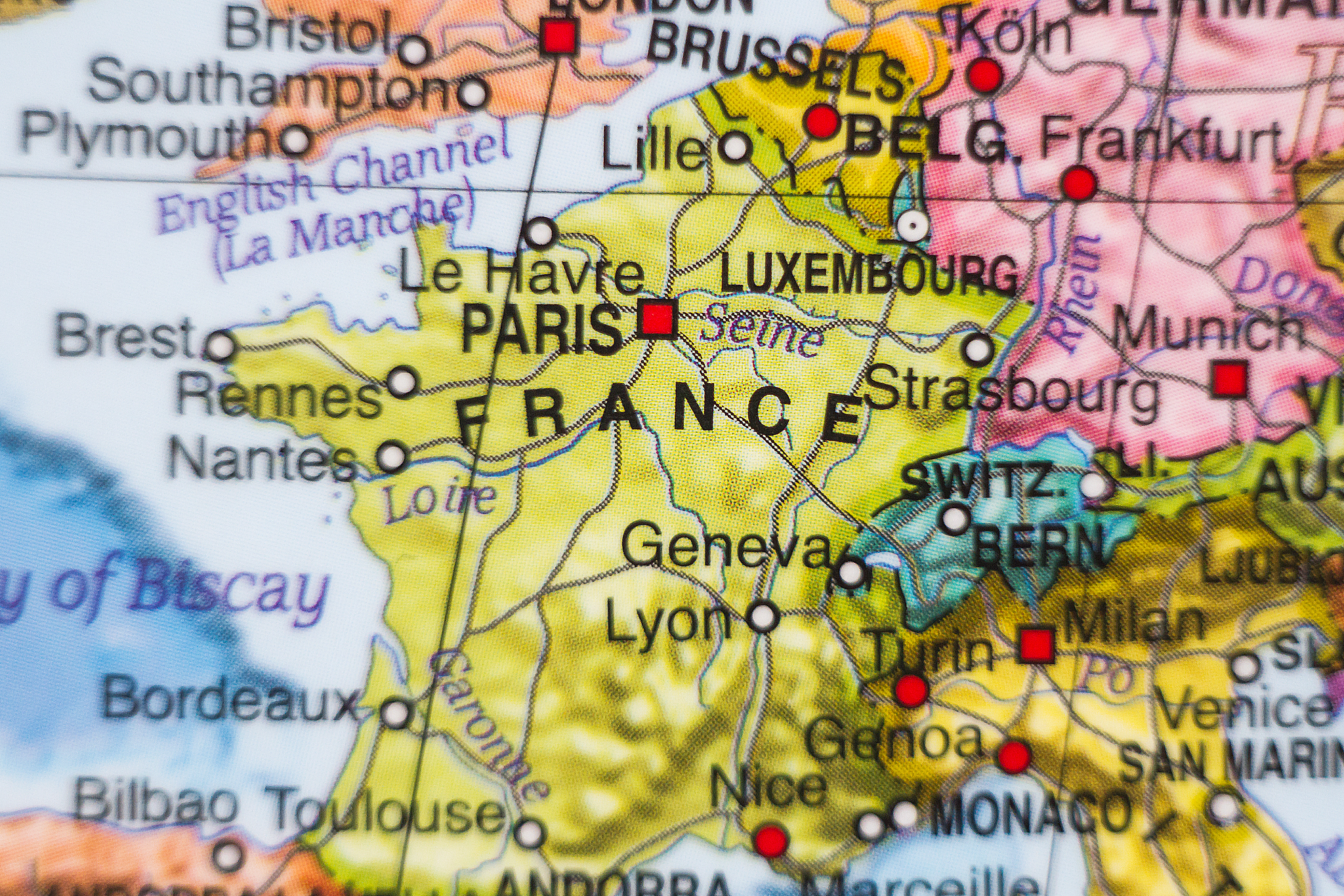
France: France is located in Western Europe and has varied landscapes, including mountains, coastal areas, and agricultural regions. It has a temperate climate, although it varies by region, with Mediterranean influences in the south.
Italy: Italy is located in Southern Europe and has a diverse geography, including mountains, coastal areas, and islands. It has a Mediterranean climate, with hot summers and mild winters.
Greece: Greece is located in Southeastern Europe and has a predominantly Mediterranean climate, with hot, dry summers and mild, wet winters. It has a highly mountainous terrain and a large number of islands.
Military:
Sweden: Sweden maintains a well-equipped and professional military. It follows a policy of non-alignment and has a strong focus on territorial defense and international peacekeeping efforts. It has a conscription system for males.
Germany: Germany has a well-trained and technologically advanced military. It is a member of NATO and plays an active role in international peacekeeping missions. Germany has reduced its military size since the Cold War but maintains a significant defense capability.
France: France has a well-equipped and capable military. It is a member of NATO and has a strong focus on defense, including nuclear deterrence. France has a history of military interventions abroad and maintains a large defense budget.
Italy: Italy has a modern and well-equipped military. It is a member of NATO and has been involved in various international peacekeeping missions. Italy has reduced its military size in recent years but maintains a significant defense capability.
Greece: Greece has a well-trained military, which plays a crucial role in the defense of its territorial integrity. It is a member of NATO and has a focus on regional security. Greece has a conscription system and a significant defense budget relative to its GDP.
Other Aspects:
Each country has its unique aspects that cannot be fully covered here. However, notable aspects include:
Sweden: Strong focus on gender equality, high standard of living, sustainable development, and strong welfare state.
Germany: Strong industrial base, emphasis on social market economy, focus on renewable energy, and automotive engineering.
France: Cultural influence, tourism industry, emphasis on gastronomy, and nuclear energy production.
Italy: Rich cultural heritage, fashion and design industry, tourism, and culinary tradition.
Greece: Historical significance, tourism industry, agricultural products (such as olive oil and wine), and ancient ruins
原文地址: https://www.cveoy.top/t/topic/hWYC 著作权归作者所有。请勿转载和采集!