The Dragon in Feudal China: From Totem to Imperial Symbol
The Feudal Myth of the Dragon
During the transition from slave society to feudal society in China, there was a significant shift in ideological beliefs. The worship of the dragon totem, prevalent in earlier periods, ceased to exist. However, the dragon became inextricably linked with imperial power, giving rise to a new myth that solidified its significance. This evolution of the dragon myth was constantly imbued with new meanings in accordance with the development of the times. Feudal monarchs, drawing upon the imagery of the old myth, continuously enriched the content of the new myth, resulting in a deeper and more multifaceted significance. It is precisely because of this dynamic interplay between the old and the new that the ancient dragon, far from being phased out, flourished even more during the feudal period.
From the Shang Dynasty to the Zhou Dynasty, emperors asserted their regal authority through the use of flags adorned with 'nine lappets and the dragon totem.' The legend that 'the emperor is the incarnation of the dragon' originated in the Qin and Han Dynasties and thrived during the Song Dynasty. During the Yuan Dynasty, starting from the reign of Kublai Khan, it was explicitly decreed that the dragon pattern was to be monopolized by imperial power. During this period, the dragon's status became equal to that of the emperor, becoming a symbol of 'regal authority' and 'imperial power.' The vitality of the dragon myth reached its peak in the later period of feudal society.
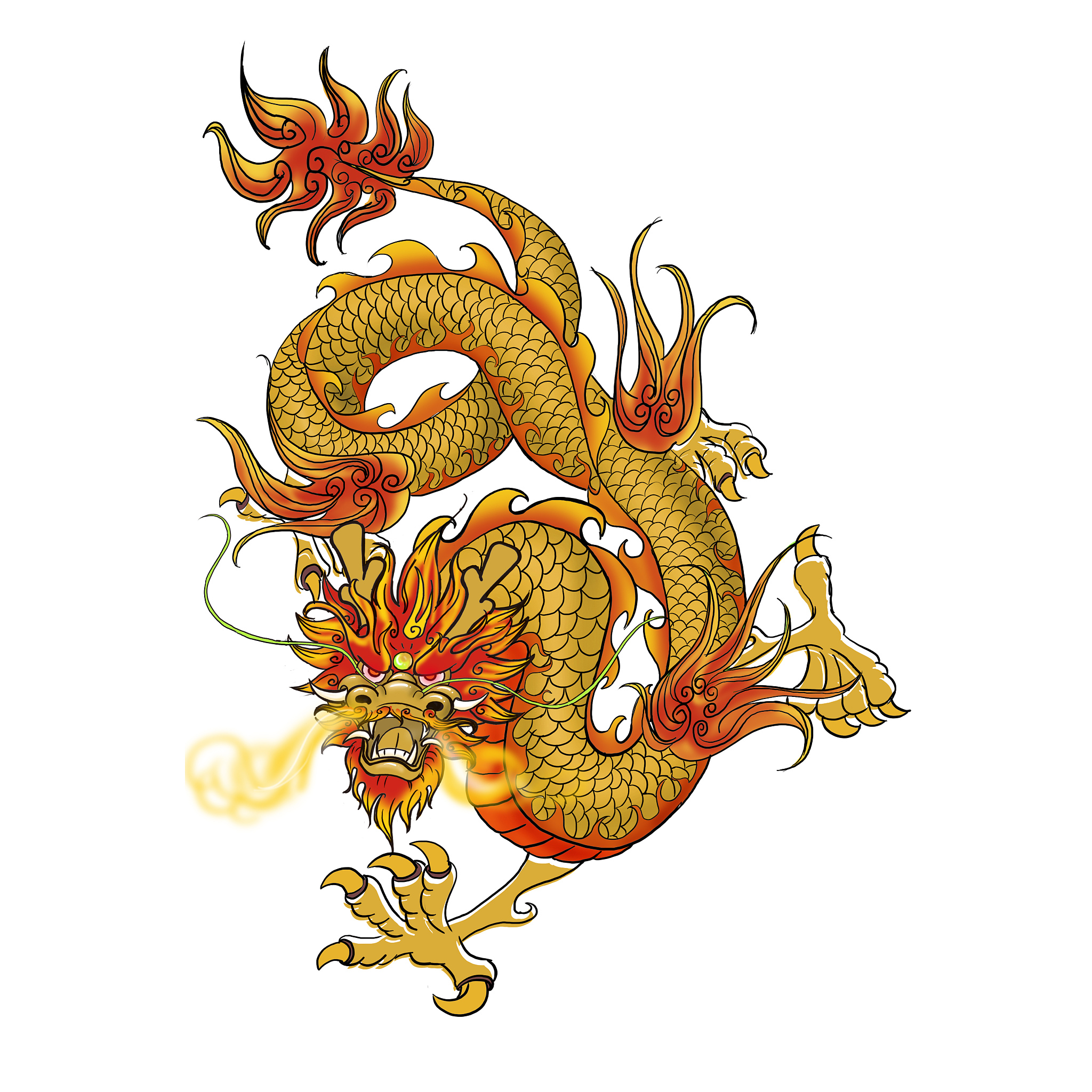
With the strengthening of absolute monarchic despotism, ancient emperors skillfully utilized the mystical concept of the dragon, drawn from early folk myths, to reinforce and solidify feudal imperial authority. They emphasized the divine and inviolable nature of royal power, thereby achieving the goal of consolidating their rule. Words and phrases associated with the dragon, such as 'dragon's appearance,' 'dragon's body,' 'dragon robe,' and 'dragon throne,' all became exclusively reserved for the emperor.
The dragon myth in Chinese history served specific political functions during different historical periods. This is precisely why the dragon myth has persisted for thousands of years. It can be said that the development history of the dragon myth is also the history of ideological shifts in China. By seeking general patterns from the development history of the dragon myth, we can construct a systematic study of dragon culture, which has valuable implications for shaping dragon imagery in animation and exploring traditional dragon culture.
原文地址: https://www.cveoy.top/t/topic/hSk 著作权归作者所有。请勿转载和采集!