关于丽江古城的论文6000字带文献
Abstract
Lijiang Old Town is a historic town located in the northwest of Yunnan Province, China. It is a UNESCO World Heritage Site and has been attracting millions of tourists every year. This paper aims to study the history, culture, and tourism development of Lijiang Old Town. It starts with the introduction of Lijiang Old Town, followed by the history and culture of the town. Then, it discusses the tourism development of Lijiang Old Town, including the tourism policies, tourism infrastructure, and the impacts of tourism on the town. Finally, the paper concludes with some suggestions for the sustainable development of tourism in Lijiang Old Town.
Keywords: Lijiang Old Town, history, culture, tourism development, sustainable development
Introduction
Lijiang Old Town is an ancient city located in the northwest of Yunnan Province, China. It is situated on the southern slope of the Yulong Snow Mountain and covers an area of 3.8 square kilometers. The town was built in the late Song Dynasty (960-1279) and has a history of over 800 years. It is a unique example of a well-preserved ancient town in China and is considered as one of the most beautiful towns in the world. In 1997, Lijiang Old Town was listed as a UNESCO World Heritage Site.
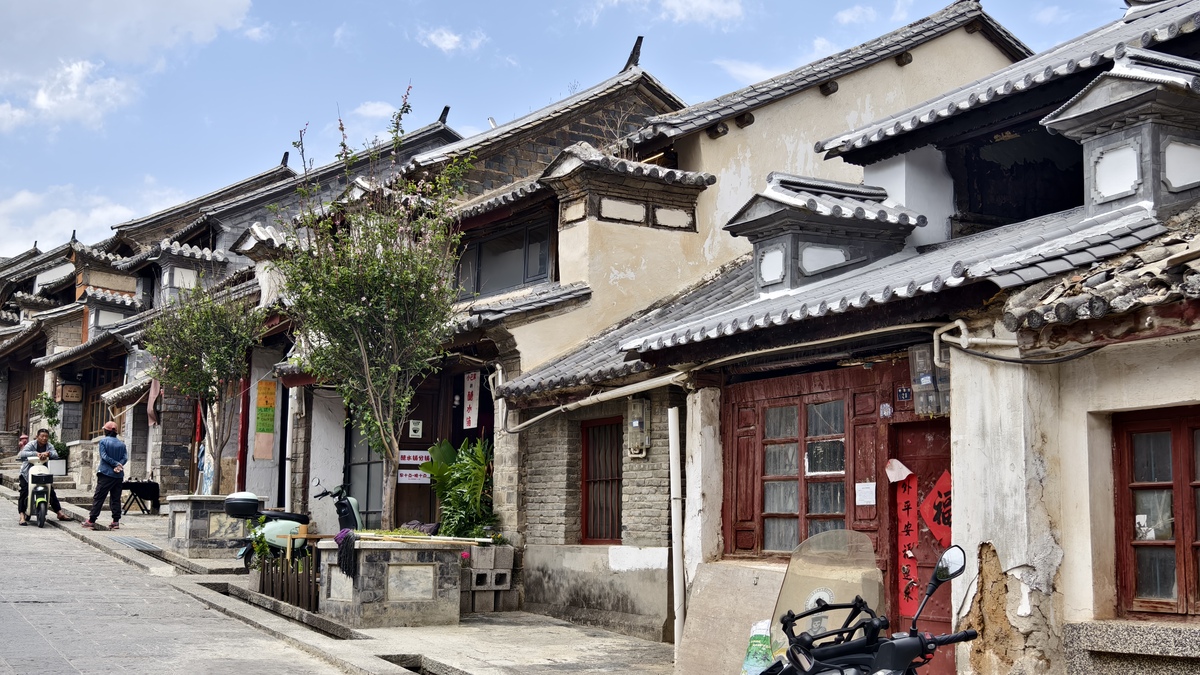
The town is famous for its distinctive Naxi culture, which is a minority ethnic group in Yunnan Province. The Naxi people have their own language, script, and customs, which are different from the Han Chinese. The architecture of the town is also unique, with well-preserved wooden houses, stone bridges, and waterways. The town is divided into three parts: Dayan, Shuhe, and Baisha. Dayan is the largest and most well-known part of the town, which is the focus of this paper.
Tourism Development of Lijiang Old Town
Since the listing of Lijiang Old Town as a UNESCO World Heritage Site, the tourism industry has become a major source of income for the local economy. The number of tourists has been increasing rapidly every year, from 1.5 million in 2000 to 17 million in 2019. The tourism revenue has also increased from 300 million RMB in 2000 to 20 billion RMB in 2019. The tourism industry has created many job opportunities for the local people, especially in the service sector.
Tourism Policies
The government has implemented various policies to promote the tourism industry in Lijiang Old Town. In 2000, the government invested 1.2 billion RMB to renovate and improve the infrastructure of the town, such as the water supply, sewage treatment, and transportation. The government also established a tourism management committee to regulate the tourism industry and protect the cultural heritage of the town. The committee has implemented measures to control the number of tourists, limit the construction of new buildings, and preserve the traditional architecture of the town.
Tourism Infrastructure
The tourism infrastructure of Lijiang Old Town has been greatly improved in recent years. The town has a well-developed transportation system, with highways, airports, and bus stations connecting to major cities in China. The town also has a comprehensive tourism service system, including hotels, restaurants, souvenir shops, and tour operators. The hotels in the town range from luxury hotels to budget hostels, which can meet the different needs of tourists. The restaurants offer a variety of local and international cuisines, and the souvenir shops sell various handicrafts and souvenirs.
Impacts of Tourism on Lijiang Old Town
Tourism has brought many benefits to Lijiang Old Town, such as economic development, job creation, and cultural exchange. However, tourism has also brought some negative impacts on the town, such as environmental degradation, cultural commodification, and social conflicts.
Environmental Degradation
The rapid growth of tourism has put pressure on the natural environment of Lijiang Old Town. The increased number of tourists has led to a higher demand for water, energy, and other resources, which has caused environmental problems such as water pollution, air pollution, and solid waste generation. The construction of new buildings and infrastructure has also caused damage to the natural landscape and cultural heritage of the town.
Cultural Commodification
The tourism industry has commercialized the culture of Lijiang Old Town, turning it into a commodity for tourists to consume. The local people have to adapt to the tourist market by performing traditional dances, singing folk songs, and selling handicrafts. The traditional way of life of the Naxi people has been disrupted by the influx of tourists, who bring with them different values and lifestyles.
Social Conflicts
The tourism industry has created social conflicts in Lijiang Old Town, especially between the local residents and the tourists. The local people have to cope with the noise, traffic, and litter caused by the tourists, which have disrupted their daily life. The local residents also face the problem of gentrification, as the rising property prices and rents have forced them to move out of the town.
Suggestions for Sustainable Development of Tourism in Lijiang Old Town
To ensure the sustainable development of tourism in Lijiang Old Town, it is necessary to adopt a holistic approach that takes into account the economic, environmental, and social aspects of tourism development. The following suggestions are proposed:
-
Limit the number of tourists: The tourism management committee should set a quota for the number of tourists entering the town each day, to avoid overcrowding and overuse of resources.
-
Develop eco-tourism: The government should promote eco-tourism in Lijiang Old Town, by developing nature reserves, hiking trails, and other eco-friendly activities that can attract tourists while minimizing environmental impacts.
-
Preserve the cultural heritage: The government should strengthen the protection of the cultural heritage of Lijiang Old Town, by regulating the construction of new buildings, promoting traditional architecture, and preserving the intangible cultural heritage of the Naxi people.
-
Promote community-based tourism: The government should encourage the development of community-based tourism in Lijiang Old Town, by involving the local residents in the tourism industry and sharing the benefits of tourism with them.
-
Improve tourism infrastructure: The government should continue to invest in the tourism infrastructure of Lijiang Old Town, by improving the transportation system, upgrading the hotels and restaurants, and enhancing the tourism service system.
Conclusion
Lijiang Old Town is a unique example of a well-preserved ancient town in China. The town has a rich history and culture, which attract millions of tourists every year. The tourism industry has brought many benefits to the local economy, but also has caused some negative impacts on the town. To ensure the sustainable development of tourism in Lijiang Old Town, it is necessary to adopt a holistic approach that takes into account the economic, environmental, and social aspects of tourism development. By implementing the suggestions proposed in this paper, Lijiang Old Town can achieve sustainable tourism development that benefits both the local residents and the tourists
原文地址: https://www.cveoy.top/t/topic/g8qq 著作权归作者所有。请勿转载和采集!