Select a luxury brand opportunity of your choice from the ones covered in the module Using a variety of research sources explain and critically evaluate the challengeopportunity this issue presents to
The luxury brand opportunity I have chosen is the Chinese market for luxury brands. China is a major market for luxury brands, with sales of luxury goods in China expected to reach $27 billion by 2025. However, luxury brands face several challenges in China, including changing consumer preferences, increased competition, and government regulations.
One of the biggest challenges facing luxury brands in China is changing consumer preferences. Chinese consumers are becoming more discerning and sophisticated in their tastes, and are increasingly looking for unique and personalized luxury products. Luxury brands need to adapt to these changing preferences and offer products that are tailored to the Chinese market.
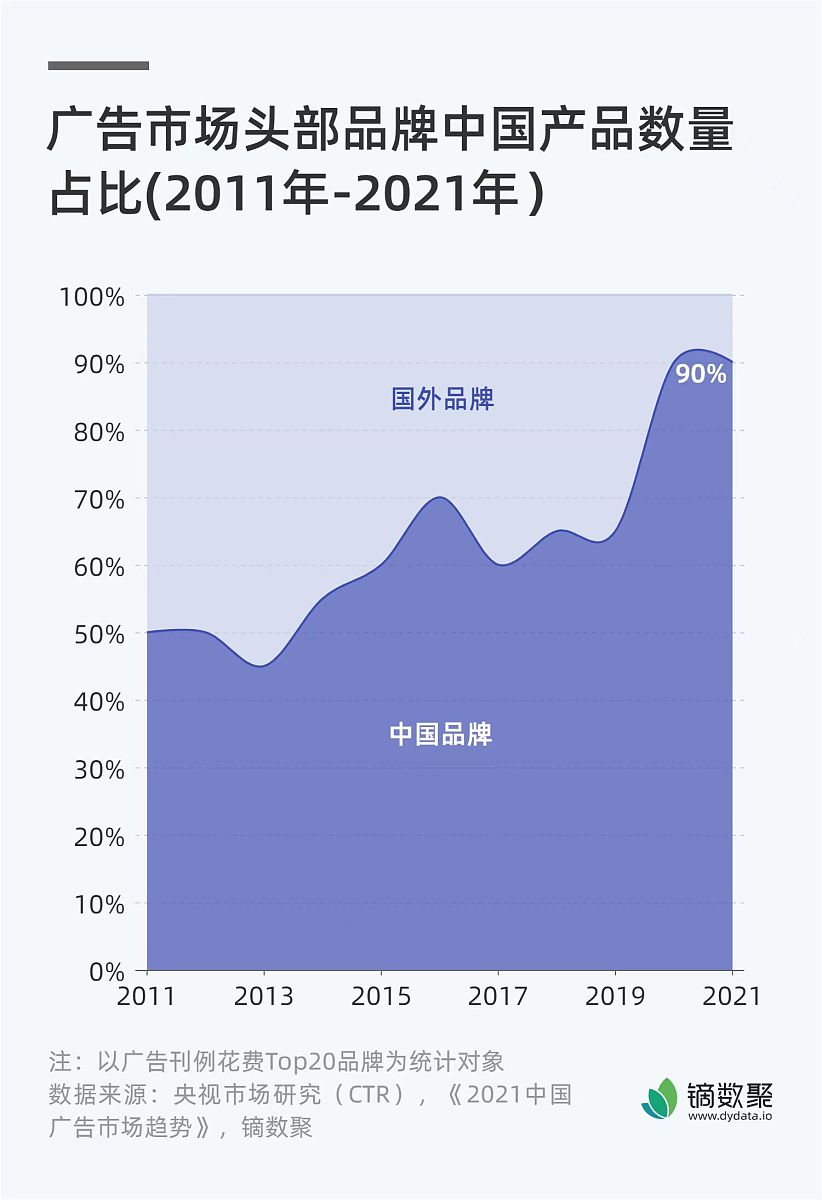
Another challenge is increased competition, both from domestic and international luxury brands. Domestic brands are gaining popularity in China, and international brands need to differentiate themselves and offer unique products and experiences to stand out. Additionally, luxury brands need to compete with e-commerce platforms such as Alibaba and JD.com, which are becoming increasingly popular among Chinese consumers.
Finally, government regulations pose a challenge for luxury brands in China. The Chinese government has cracked down on corruption and extravagant spending, which has affected sales of luxury goods. Additionally, the government has implemented policies to encourage Chinese consumers to buy domestic products, which could impact sales of international luxury brands.
To address these challenges and sustain and build brand equity, luxury brands in China need to take a range of creative and innovative solutions. One solution is to focus on offering unique and personalized products and experiences that cater to the changing preferences of Chinese consumers. This could include collaborating with Chinese designers and artists to create products that are tailored to the Chinese market.
Another solution is to leverage technology to offer innovative and engaging experiences. For example, luxury brands could use virtual reality to create immersive experiences that allow Chinese consumers to explore their products in a new and exciting way.
Luxury brands could also focus on building strong relationships with Chinese consumers through social media and other digital channels. By engaging with Chinese consumers on a personal level, luxury brands can build loyalty and increase brand equity.
Finally, luxury brands could work to build trust with Chinese consumers by being transparent about their products and operations. By communicating their values and commitment to sustainability and ethical practices, luxury brands can differentiate themselves and build a strong reputation in China.
Overall, the Chinese market presents both challenges and opportunities for luxury brands. By taking a range of creative and innovative solutions, luxury brands can address these challenges and sustain and build brand equity in this important market
原文地址: https://www.cveoy.top/t/topic/fnQD 著作权归作者所有。请勿转载和采集!