写一个英语的关于颐和园的介绍
Introduction to the Summer Palace
The Summer Palace, also known as Yiheyuan, is a magnificent imperial garden located in the Haidian District of Beijing, China. It is one of the most famous and well-preserved imperial gardens in China, and it was originally built in the Qing Dynasty as a royal retreat for the emperor and his family.
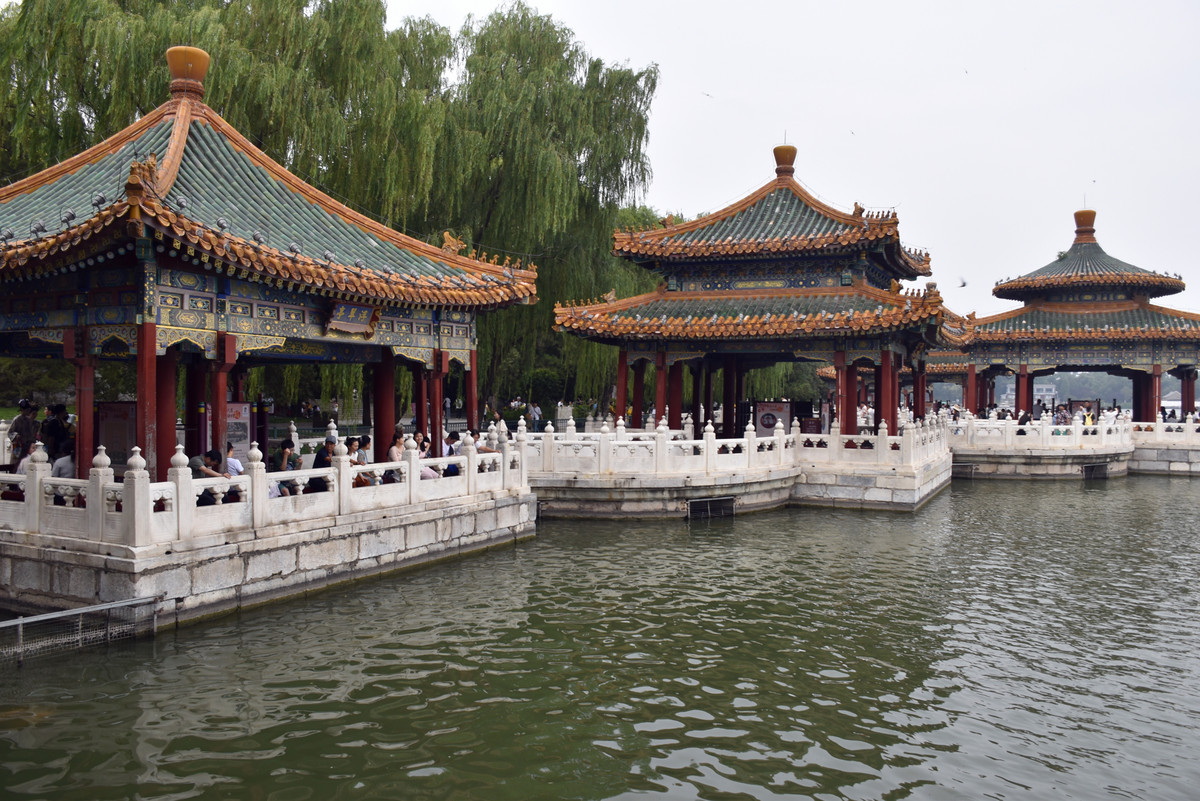
The Summer Palace covers an area of over 700 acres and is dominated by a man-made lake named Kunming Lake, which covers an area of about 180 acres. The garden is a perfect blend of natural beauty and architectural masterpieces, with numerous pavilions, halls, bridges, and temples scattered throughout the garden.
History of the Summer Palace
The Summer Palace was first built in 1750 by Emperor Qianlong as a gift to his mother. The palace went through several renovations and expansions in the following years, and it was rebuilt in 1888 after being destroyed by the Anglo-French allied forces during the Second Opium War.
The palace was later damaged again during the Boxer Rebellion in 1900, but it was restored to its former glory in the years following the rebellion. The Summer Palace was finally opened to the public in 1924, and it was declared a UNESCO World Heritage Site in 1998.
Attractions in the Summer Palace
The Summer Palace is home to numerous attractions that are worth visiting, including the Long Corridor, the Marble Boat, the Seventeen-Arch Bridge, and the Tower of Buddhist Incense. The Long Corridor is a covered walkway that stretches for over 700 meters and features over 8,000 paintings of famous Chinese landscapes, historical events, and mythical creatures.
The Marble Boat is a unique structure that is made entirely of marble and was built by the Empress Dowager Cixi in the late 19th century. The Seventeen-Arch Bridge is a beautiful stone bridge that spans the Kunming Lake and is an excellent spot for photography. The Tower of Buddhist Incense is a magnificent three-story pagoda that offers a panoramic view of the entire garden.
Conclusion
The Summer Palace is a must-visit destination for anyone who loves nature, history, and architecture. It is a perfect example of the grandeur and elegance of Chinese imperial gardens, and it offers visitors a unique insight into the rich cultural heritage of China
原文地址: https://www.cveoy.top/t/topic/fFkH 著作权归作者所有。请勿转载和采集!