History of China's Space Program: Milestones and Achievements
The Chinese space industry was established in 1956 and has since achieved a series of impressive milestones. Over the decades, the Chinese space program has consistently pushed the boundaries of space exploration, captivating the world with its ambition and innovation. Here's a look at some of the most significant achievements:
Early Success and Satellite Launch (1970): In 1970, China etched its name in history by successfully launching its first artificial satellite, becoming the fifth country in the world to independently achieve this feat. This landmark event marked China's arrival on the global space stage.
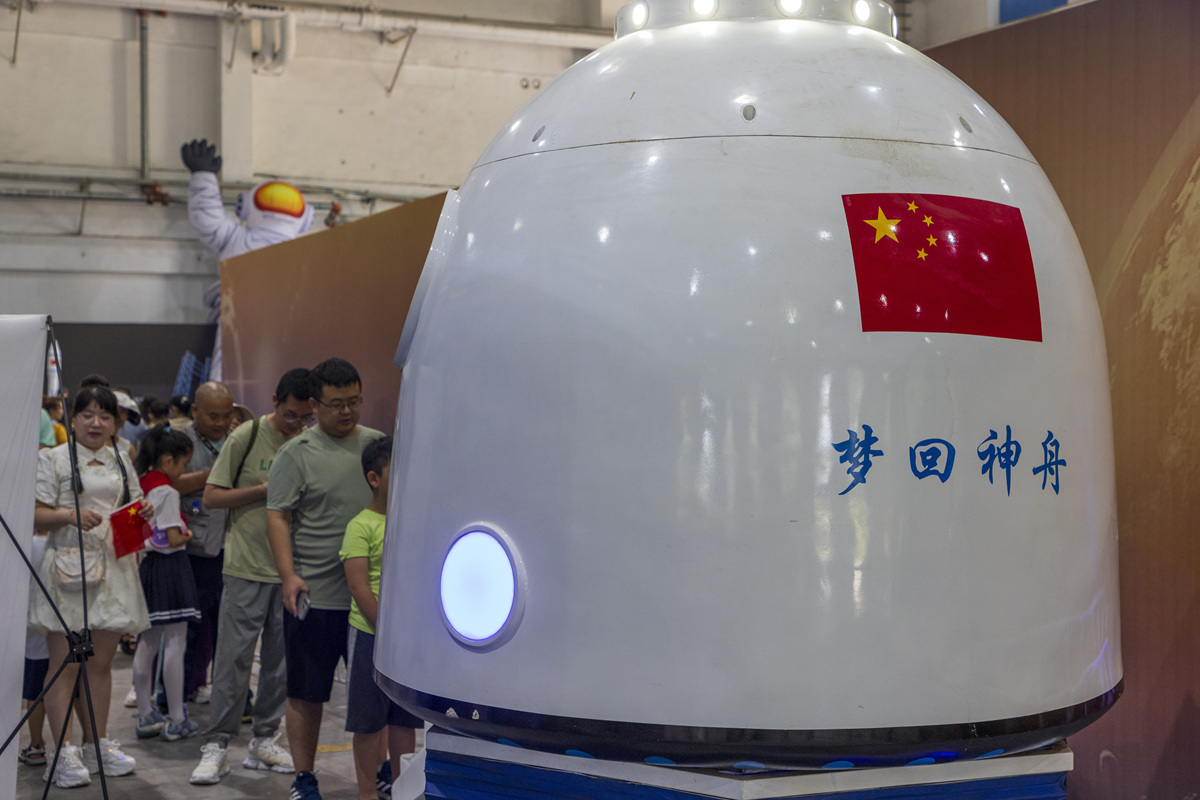
Manned Spaceflight Program (1992-2003): In 1992, China embarked on an ambitious journey by launching its manned spaceflight program. This program culminated in the historic launch of the 'Shenzhou 5' manned spacecraft in 2003, making China the third country globally to independently send humans into space.
Lunar Exploration with Chang'e (2007): China's space ambitions extended beyond Earth's orbit with the launch of the 'Chang'e 1' lunar orbiter in 2007. This marked China's first foray into lunar exploration, paving the way for subsequent missions to the moon.
Foundation for a Space Station (2013): The successful launch of the fifth manned spacecraft, 'Shenzhou 10,' in 2013 marked a pivotal step towards establishing a permanent presence in space. This mission played a crucial role in laying the groundwork for the construction of China's space station, a testament to the country's long-term vision for space exploration.
原文地址: https://www.cveoy.top/t/topic/W3C 著作权归作者所有。请勿转载和采集!