Aseptic Eye Drop Production: Procedure and Cleanroom Clothing Importance
Title: Aseptic Production of Eye Drop Solutions and Cleanroom Clothing
Introduction: Aseptic production is critical in the pharmaceutical industry, especially when manufacturing eye drop solutions. The process necessitates strict adherence to sterile conditions to ensure the safety and efficacy of the final product. Additionally, cleanroom clothing plays a vital role in maintaining the cleanliness and integrity of the production environment. This essay will provide an overview of the general procedure for making simple eye drop solutions under aseptic conditions and discuss the importance of cleanroom clothing in ensuring product quality.
Part 1: Aseptic Production of Eye Drop Solutions The procedure for making simple eye drop solutions under aseptic conditions typically involves the following steps:
-
Cleanroom Preparation: The production area, including the cleanroom and equipment, must be thoroughly cleaned and disinfected before starting the process. This eliminates potential sources of contamination and ensures a sterile environment.
-
Material Sterilization: All materials used in the production process, including containers, filters, and equipment, must be properly sterilized. This is usually achieved by autoclaving or subjecting them to other validated sterilization methods.
-
Preparation of Sterile Ingredients: The active pharmaceutical ingredient (API) and other necessary ingredients are prepared separately under aseptic conditions. This involves measuring and dispensing the appropriate quantities of each ingredient while maintaining sterility.
-
Mixing and Filtration: The sterile ingredients are mixed together using sterile equipment, such as stainless steel or glass containers. The mixture is then filtered using sterilizing-grade filters to remove any potential particulate matter or microorganisms.
-
Filling and Packaging: After filtration, the eye drop solution is transferred into sterile containers, such as dropper bottles or vials. The containers are sealed to maintain sterility and protect the solution from external contaminants. Proper labeling and packaging are essential for ensuring product identification and traceability.
Part 2: Cleanroom Clothing Cleanroom clothing, also known as cleanroom garments, plays a critical role in maintaining the cleanliness and integrity of the production environment. Here are some key aspects of cleanroom clothing:
-
Design and Materials: Cleanroom clothing is specifically designed to minimize shedding of particles and fibers. It is typically made of lightweight, low-linting, and non-shedding materials such as polyester or synthetic fabrics. The clothing must cover the entire body, including head, face, and feet, to minimize the risk of contamination.
-
Sterilization and Preparation: Cleanroom clothing is sterilized before each use to eliminate any potential microbial contamination. Various methods, including autoclaving and gamma irradiation, are employed to ensure the garments are sterile. Additionally, proper gowning procedures are followed to prevent contamination during the dressing process.
-
Cleanroom Garment Integrity: The integrity of cleanroom clothing is crucial to prevent particle release and maintain a clean environment. Regular inspection and maintenance of the garments, including monitoring for tears, loose threads, or damage, are essential to ensure their effectiveness. Cleanroom clothing should be changed regularly and handled with care to avoid contamination.
-
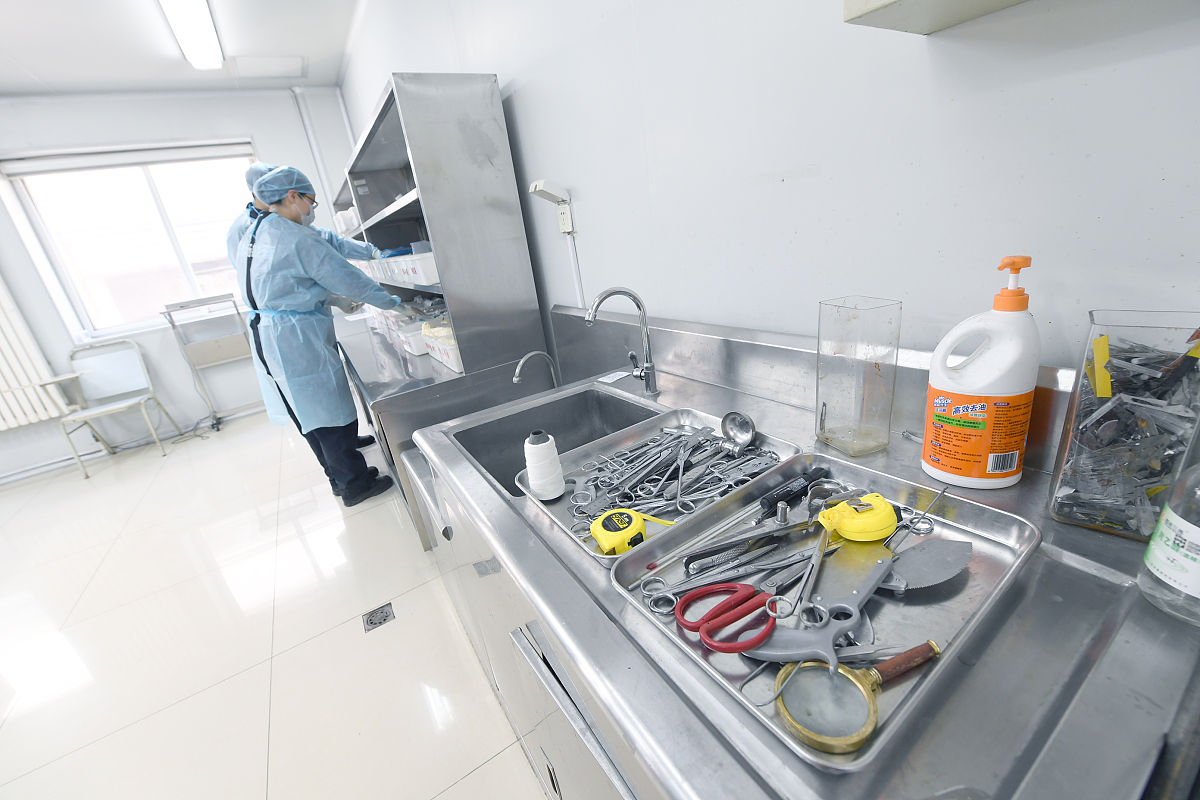
Personal Protective Equipment (PPE): In addition to cleanroom clothing, personnel working in aseptic production areas are required to wear other PPE, such as gloves, masks, and hair covers. These provide an additional barrier to prevent microbial contamination from personnel.
Conclusion: The aseptic production of eye drop solutions requires a meticulous and controlled process to ensure product safety and efficacy. Adhering to sterile conditions and following the proper procedures is essential. Furthermore, cleanroom clothing, along with other protective measures, plays a critical role in maintaining a clean and controlled environment. By understanding and implementing these practices, pharmaceutical manufacturers can uphold the highest standards of quality and protect the health and well-being of patients who rely on eye drop solutions.
原文地址: https://www.cveoy.top/t/topic/VKW 著作权归作者所有。请勿转载和采集!