翻译以下内容:为了减少高速列车在高寒地区运行时转向架表面出现过多的积雪本文根据转向架舱形状和制动夹钳相对位置设计了两种主动吹气方案采用非定常雷诺平均算法与离散相模型耦合的方法对列车底部的风雪流进行计算以探究主动吹气对转向架区域的防雪效果。研究结果表明主动吹气改变了转向架区域的流线上扬现象和涡结构分布导致雪粒进入转向架区域的量减少;吹气还使作用在转向架舱端墙的压力增大作用方向与阻力方向相反降低了头车
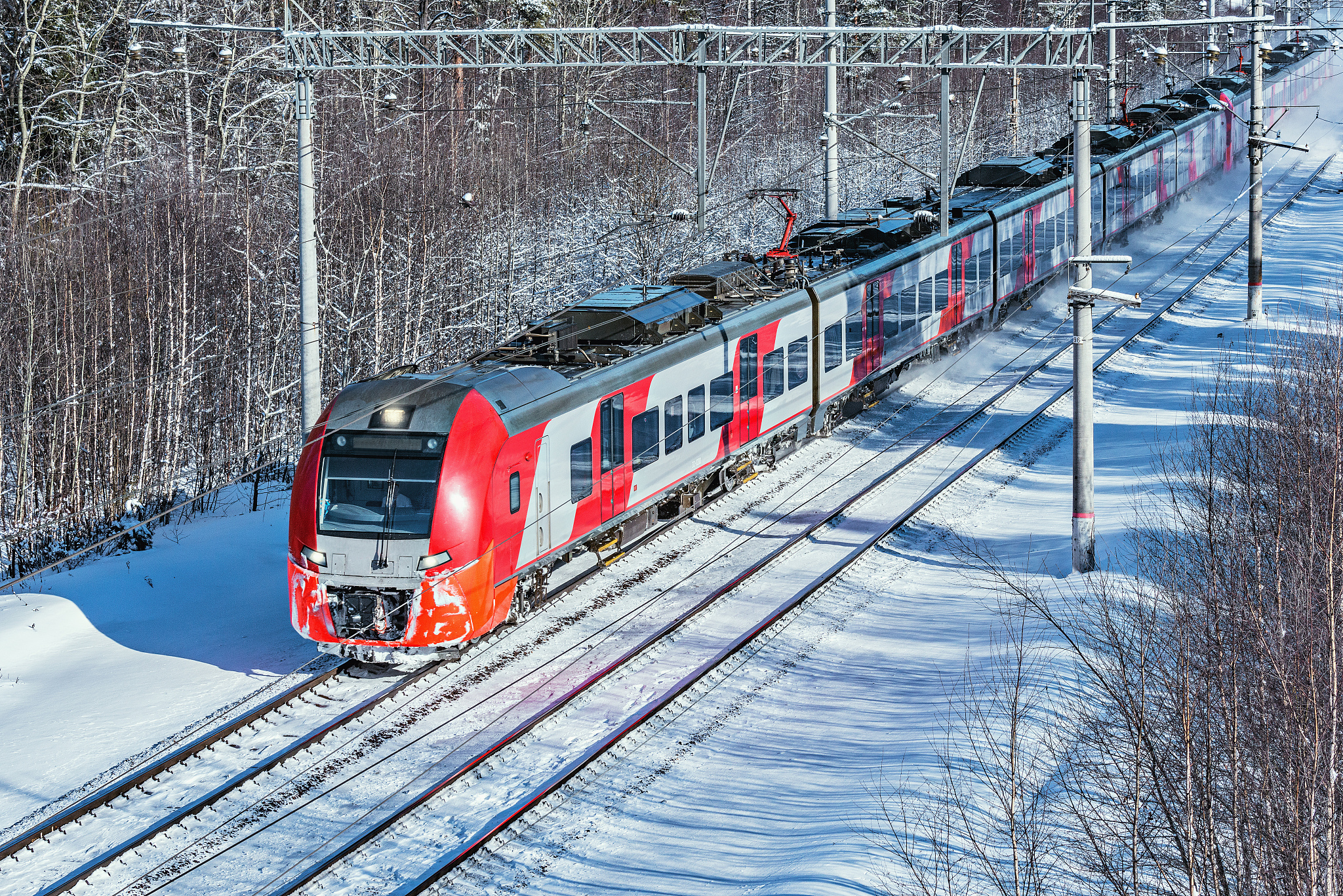
In order to reduce the excessive accumulation of snow on the surface of the bogie when high-speed trains operate in cold areas, this paper proposes two active blowing schemes based on the shape of the bogie compartment and the relative position of the brake calipers. The unsteady Reynolds-averaged Navier-Stokes (URANS) algorithm coupled with the discrete phase model (DPM) is used to simulate the wind and snow flow under the train, in order to explore the anti-snow effect of active blowing on the bogie area. The research results show that active blowing changes the streamline uplift phenomenon and the distribution of vortex structure in the bogie area, leading to a decrease in the amount of snow entering the bogie area. Blowing also increases the pressure acting on the end wall of the bogie compartment, in a direction opposite to the direction of resistance, thereby reducing the pressure drag of the locomotive. Through the evaluation of the two schemes, it is found that scheme 1 has a better anti-snow effect than the original model. When the blowing speed is 4m/s, the drag of the locomotive is reduced by 19.55%, and the amount of snow in each bogie area is reduced by more than 40%. Therefore, the use of active blowing not only effectively reduces the amount of snow in the bogie area, but also reduces the running resistance of the train without consuming too much additional energy.
原文地址: https://www.cveoy.top/t/topic/7eY 著作权归作者所有。请勿转载和采集!