Neurosis: Causes, Effects, and Treatment
Neurosis: Causes, Effects, and Treatment
Neurosis is a psychological disorder affecting millions worldwide. It's characterized by various symptoms like anxiety, depression, obsessive-compulsive behaviors, and phobias. While often attributed to factors like genetics, environment, and lifestyle, recent research highlights the role of neurological factors, such as brain chemistry imbalances and structural abnormalities.
Causes of Neurosis
-
Genetics: Studies indicate a strong genetic component in the development of neurosis. Individuals with a family history of the disorder are more prone to developing it themselves.
-
Environment: Early life experiences can play a significant role. Traumatic events, including abuse, neglect, and bullying, can cause lasting emotional damage and affect mental health.
-
Lifestyle: Unhealthy lifestyle choices, such as lack of exercise, poor diet, and substance abuse, can contribute to the development of neurosis.
-
Brain Chemistry Imbalances: Neurotransmitters, chemical messengers in the brain regulating mood and behavior, can become imbalanced, leading to neurosis symptoms.
-
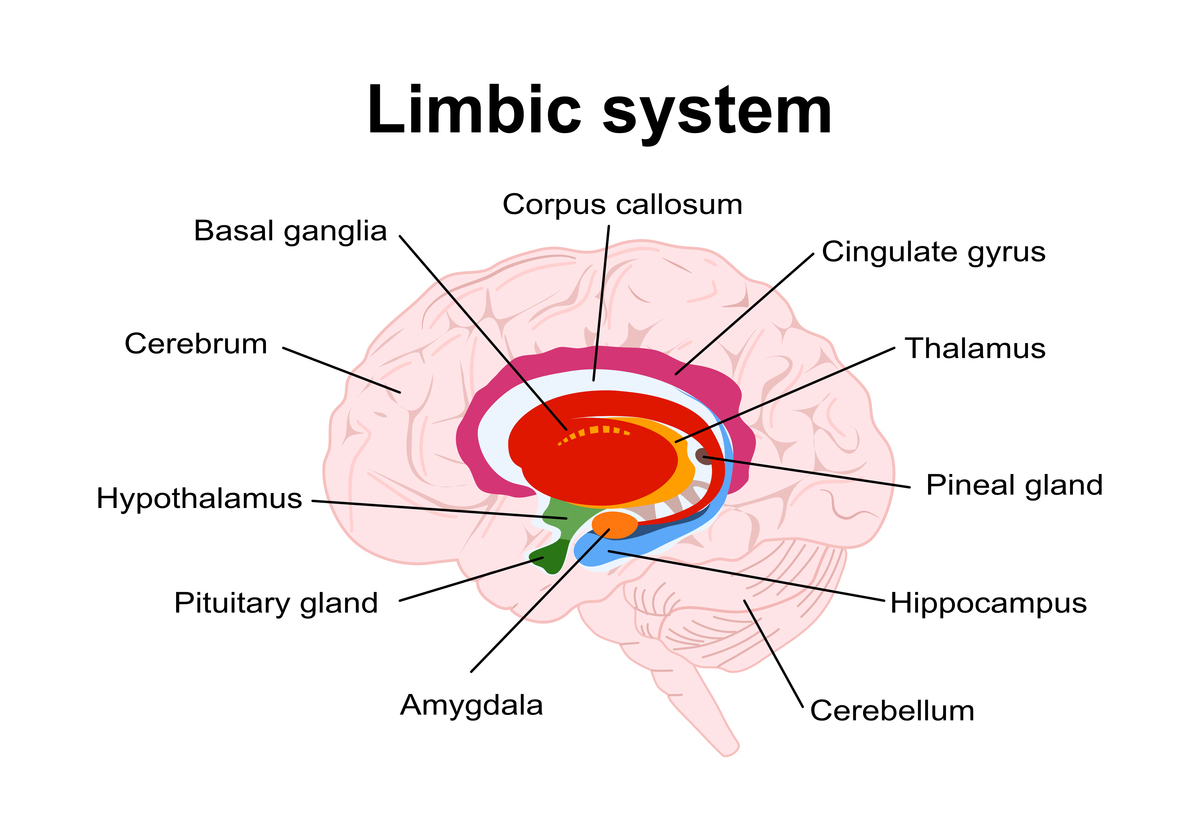
Structural Abnormalities: Structural abnormalities in the brain, such as damage to the prefrontal cortex or hippocampus, can also contribute to neurosis.
Effects of Neurosis
-
Anxiety: Excessive worry, fear, and panic attacks are common anxiety symptoms associated with neurosis.
-
Depression: Feelings of sadness, hopelessness, and loss of interest in previously enjoyable activities are typical depression symptoms.
-
Obsessive-Compulsive Behaviors: Repetitive behaviors like excessive cleaning or checking are often associated with neurosis.
-
Phobias: Irrational fears of specific objects or situations, such as heights or spiders, are prevalent in individuals with neurosis.
-
Poor Quality of Life: Neurosis can significantly impact an individual's quality of life, affecting relationships, work, and daily functioning.
Conclusion
Neurosis is a complex disorder influenced by various factors. Genetics, environment, lifestyle, brain chemistry imbalances, and structural abnormalities can all contribute to its development. Symptoms include anxiety, depression, obsessive-compulsive behaviors, phobias, and a diminished quality of life. Fortunately, effective treatment options like therapy and medication are available to manage symptoms and improve overall functioning.
原文地址: http://www.cveoy.top/t/topic/lE9p 著作权归作者所有。请勿转载和采集!