乡村和城市之间的差异导致了人们对于建筑和环境的感受和需求的不同。乡村的自然复杂性和人体的亲近感使人们能够更好地与自然环境互动并获得自由和宁静的感觉。与此相反在城市中建筑与人之间存在着巨大的距离人们往往感到被建筑和环境所束缚缺乏与自然的联系和亲近感。城市中的建筑往往受到现有的权力结构的影响如经济效益、政治力量和社会歧视。这些因素使得建筑往往忽视了最初的使命即为人们提供更好的生活。建筑变得枯燥、单调缺
The differences between rural and urban areas lead to different perceptions and needs for architecture and the environment. The natural complexity and closeness to nature in rural areas allow people to better interact with the natural environment and feel a sense of freedom and tranquility. In contrast, in urban areas, there is often a significant distance between buildings and people, and people often feel constrained by the built environment, lacking a connection and closeness to nature.
The architecture in cities is often influenced by existing power structures such as economic benefits, political power, and social discrimination. These factors often lead to architecture neglecting its original mission of providing better lives for people. Buildings become bland, monotonous, and lack personality and creativity. Additionally, oppressive control and indifference towards the people by those in power are also the root causes of urban problems. These oppressive forces lead to cities losing their humaneness and inclusivity, and individuals' expressions and sense of belonging are not given importance.
However, spontaneously created architectural environments in cities, such as slums, urban villages, and street markets, provide us with new insights. These places are defined by the people themselves, escaping the oppression of power, and individual expression is valued, as is a sense of belonging. These spontaneously created architectural environments can be seen as a form of spatial democracy. They resist unjust oppressive forces in modern metropolises and increase intimacy, inclusivity, and a sense of belonging.
In modern urban life, mental health issues have become a global challenge. As adapting to new urban lifestyles brings significant stress to individuals, communities, countries, and the planet, the proportion of mental health issues among various obstacles and diseases is increasing. However, advancements in health sciences provide us with new insights and opportunities to address these challenges through design solutions.
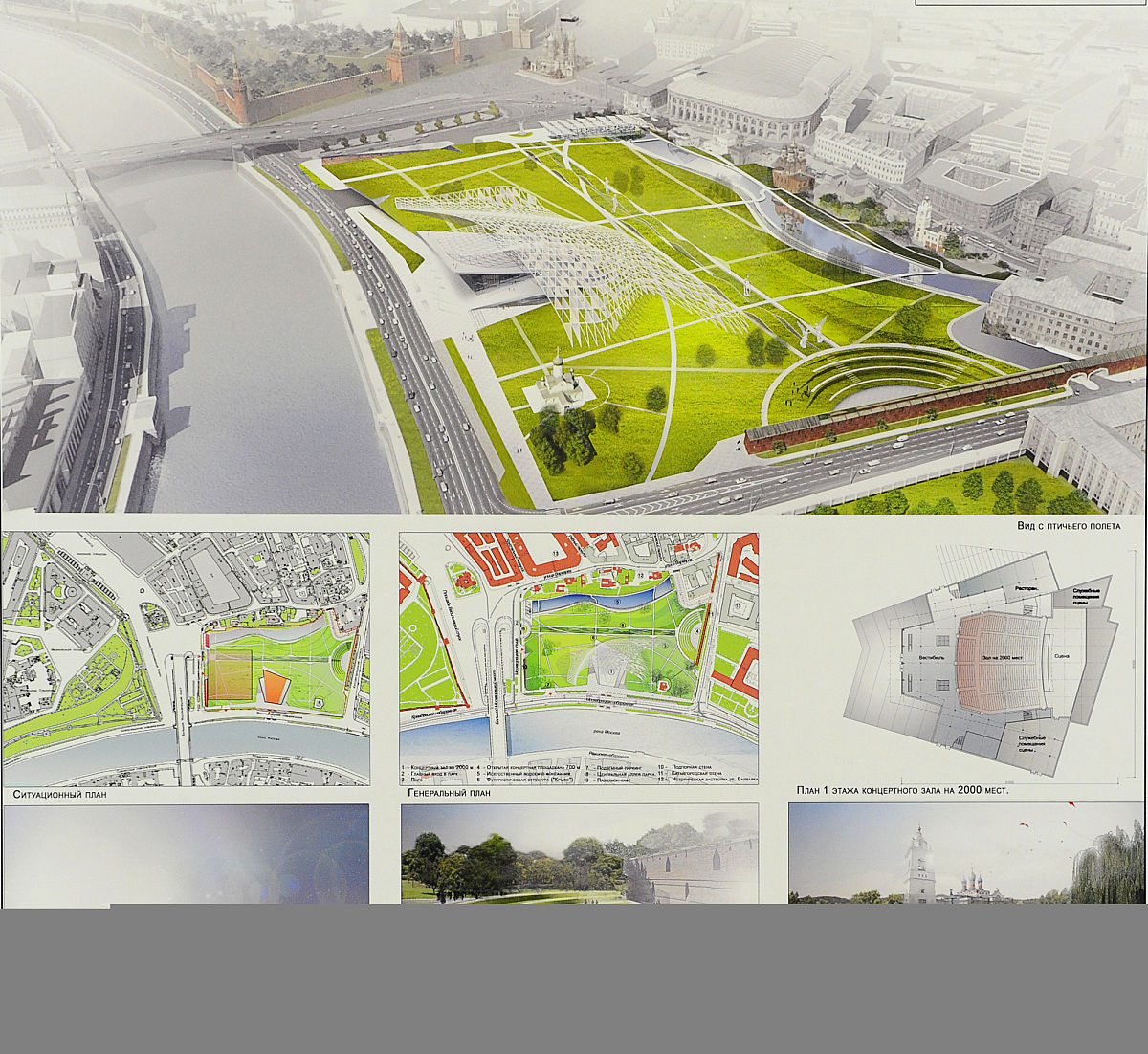
As designers, we should consider how to enhance the resilience of people and cities to enable their healthy development. In the context of sprawling high-density cities, as architects, urban planners, and landscape designers, we can improve the living environment for people by addressing health conditions, especially mental health. We can use the concept of pastoralism to improve the psychological state of urban populations through the introduction and creation of natural environments.
Firstly, we can improve the urban environment by introducing natural elements. The lack of green spaces and natural landscapes in high-density cities is a significant factor contributing to mental health issues. Therefore, we can create more parks, gardens, and green spaces in cities to allow people to connect with nature and enjoy moments of tranquility and relaxation. Additionally, natural elements can be integrated into architectural designs, such as green roofs and vertical gardens, to increase people's interaction with nature.
Secondly, we can improve the mental health of urban residents by creating spaces for social interaction. Loneliness and social isolation in cities are another significant factor contributing to mental health issues. Therefore, we can design public spaces such as squares, community centers, and cafes that provide opportunities for people to interact and socialize. These spaces can become places for people to gather, communicate, and build social relationships, increasing their sense of belonging and happiness.
Furthermore, we can improve the mental health of urban residents by providing spaces for autonomy and personalization. In cities, people often feel a lack of freedom and individuality, as the built environment is often uniform and standardized. Therefore, we can design flexible and diverse buildings and spaces that give people more choices and freedom. These spaces for autonomy and personalization can meet people's individual needs and expressions, increasing their self-esteem and satisfaction.
In conclusion, mental health issues in cities are a global challenge but also provide designers with new opportunities and challenges. We can improve the mental health of urban residents by introducing natural elements, creating spaces for social interaction, and providing spaces for autonomy and personalization. At the same time, we should also consider how to enhance the resilience of people and cities to enable their healthy development. Through these efforts, we can create a better, healthier, and more humanized urban environment
原文地址: http://www.cveoy.top/t/topic/iz4n 著作权归作者所有。请勿转载和采集!