introduce the basic knowledge of computer networks
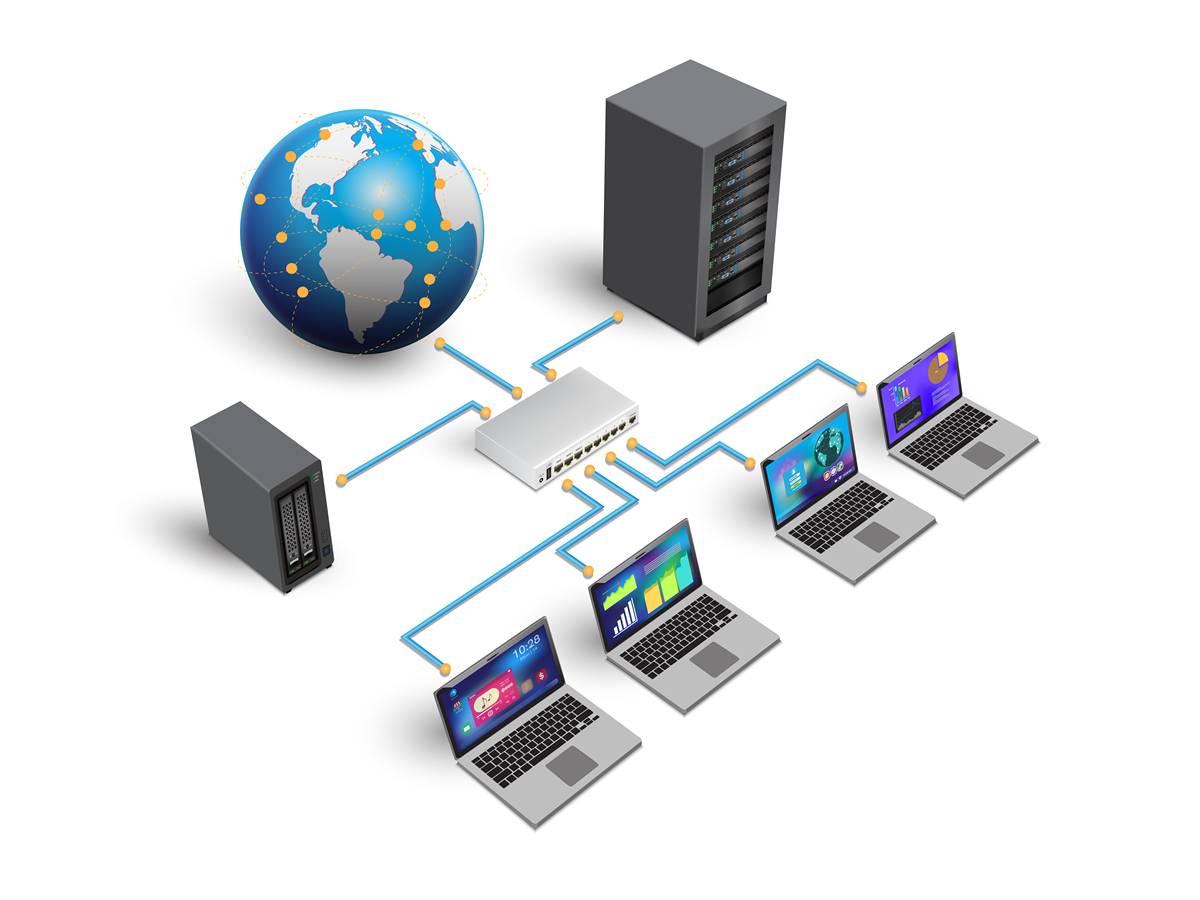
Computer networks are the systems that connect multiple computers and other devices together to share resources and communicate with each other. The basic knowledge of computer networks includes the following concepts:
-
Network Topologies: Network topology refers to the physical or logical arrangement of devices and connections in a network. Common topologies include bus, star, ring, mesh, and tree.
-
Network Protocols: Network protocols are a set of rules and standards that govern the communication between devices in a network. Examples of network protocols include TCP/IP, HTTP, FTP, and DNS.
-
IP Addressing: An IP address is a unique numeric identifier assigned to each device in a network. It allows devices to be identified and communicate with each other on the internet or local network.
-
Routing: Routing is the process of selecting the best path for data packets to travel from the source to the destination across a network. Routers are devices that facilitate this process.
-
Network Switching: Network switching involves the transfer of data packets between devices in a network. Switches are used to connect multiple devices within a local area network (LAN) and facilitate efficient communication.
-
Network Security: Network security focuses on protecting the network and its resources from unauthorized access, data breaches, and other cyber threats. It involves implementing measures like firewalls, antivirus software, encryption, and authentication protocols.
-
Network Types: There are various types of computer networks, including Local Area Network (LAN), Wide Area Network (WAN), Metropolitan Area Network (MAN), and the internet. Each network type has its own characteristics and scope.
-
Network Components: Network components include devices such as routers, switches, modems, network cables, wireless access points, and network interface cards (NICs). These components work together to enable network connectivity and data transfer.
-
Network Services: Network services are applications and functionalities provided by a network. Examples include file sharing, email, web browsing, remote access, and video conferencing.
-
Network Administration: Network administration involves managing and maintaining a network, including tasks like network configuration, monitoring, troubleshooting, and ensuring its smooth operation.
Understanding these basic concepts is essential for professionals working in networking roles and for individuals who want to have a better understanding of how computer networks function
原文地址: http://www.cveoy.top/t/topic/h7ZU 著作权归作者所有。请勿转载和采集!